

Photo credits
World Kangaroo Day highlights climate threats to macropods
On World Kangaroo Day, scientists warn that rising temperatures and more frequent fires threaten the country’s iconic marsupials.
24 Oct 2026 0 reads Compiled with AI
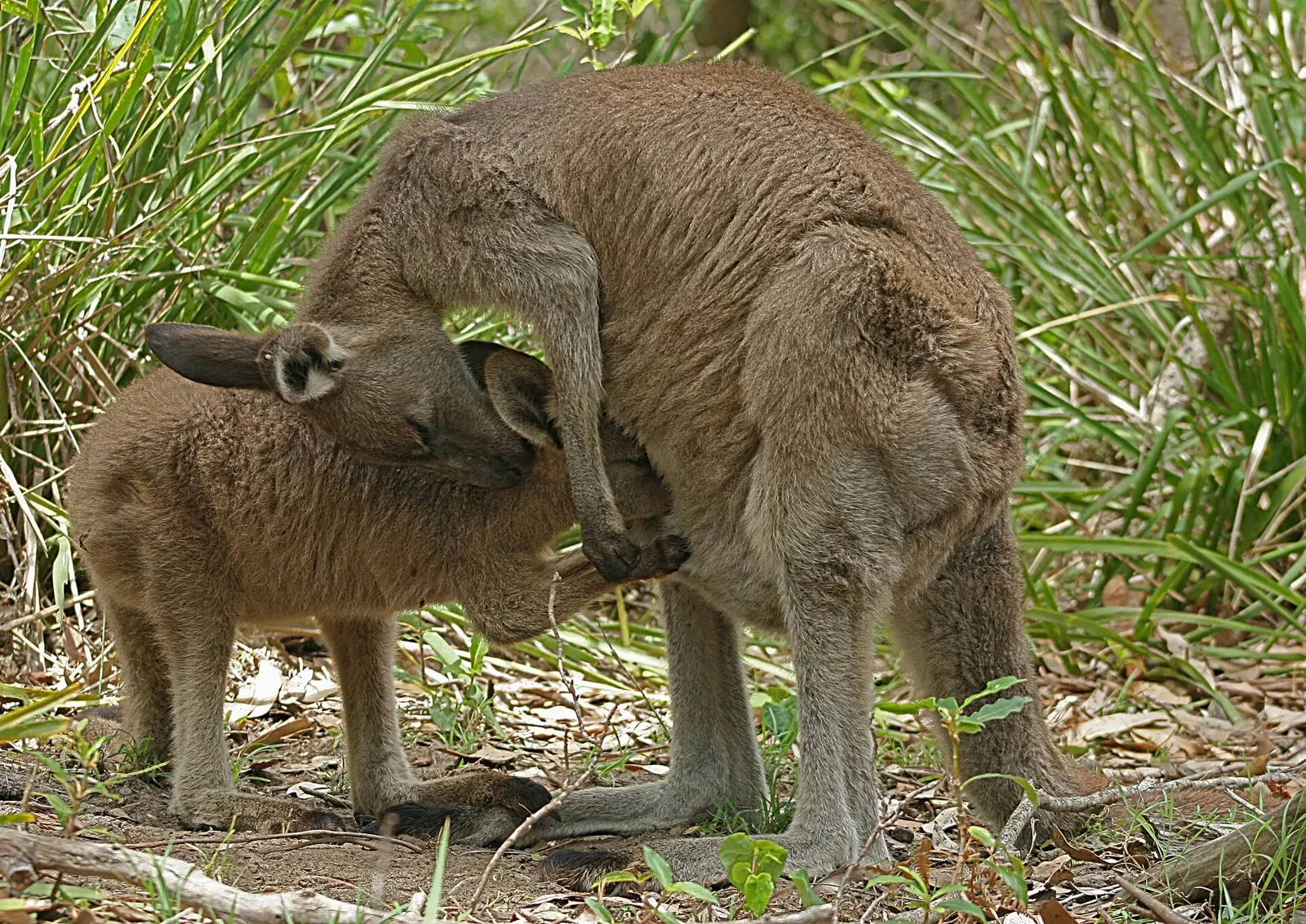
World Kangaroo Day, celebrated on October 24, highlights the cultural and ecological importance of Australia’s kangaroos while drawing attention to a growing threat: climate change is shrinking the places these marsupials live. Droughts and bushfires are becoming more frequent, and scientists say the animals are already feeling the strain.
Drought and fire hit kangaroo numbers
The most common kangaroo species – red, eastern grey, western grey and antilopine – number between 30 million and 50 million across Australia, but droughts push their numbers down. During a decade‑long drought that began in 2000, eastern‑region kangaroo populations fell by about 30 million; by 2014 they had rebounded to roughly 47 million.
For some macropods, the situation is more dire. Eleven of the 50‑plus species that remain are listed by the IUCN as Endangered or Critically Endangered, including Gilbert’s potoroo and the mala. The mainland mala was declared extinct in 1991, but island populations still exist and are vulnerable. Fewer than 150 Gilbert’s potoroo remain in the wild, and fires and droughts could push these isolated groups toward extinction.
Scientists warn that a forthcoming super El Niño in 2026‑27 could magnify drought, heatwaves and bushfires. During the 2015‑16 El Niño phase, Queensland recorded a further reduction of 3.6 million kangaroos, and the new event is expected to break records. Higher mortality from heat and fire could also lead to more conflict with farmers over scarce food, shelter and water.
Experts say sustainable development can help kangaroos cope with worsening fires and droughts. Engaging Indigenous-led fire management, restoring natural waterways and enforcing laws that prevent deforestation can reduce the incidence of extreme bushfires and preserve cool refuges for animals in distress.