

WHO Grants BioFire Panel Emergency Listing
The World Health Organization has authorized the BioFire Fever panel for rapid detection of Bundibugyo virus amid a severe outbreak in the Democratic Republic of Congo.
20 Oct 2026 0 reads Compiled with AI
#WHO #bioMérieux #Ebola #Bundibugyo #BioFire
The World Health Organization has authorized the BioFire Fever panel for rapid detection of Bundibugyo virus, granting it an emergency use listing. This approval marks the latest diagnostic tool to receive the designation as the outbreak continues to spread in Central Africa. The panel is produced by bioMérieux’s subsidiary BioFire Defense, which has worked to provide clinicians with a fast, reliable test amid a public health emergency.
Diagnostic Innovation
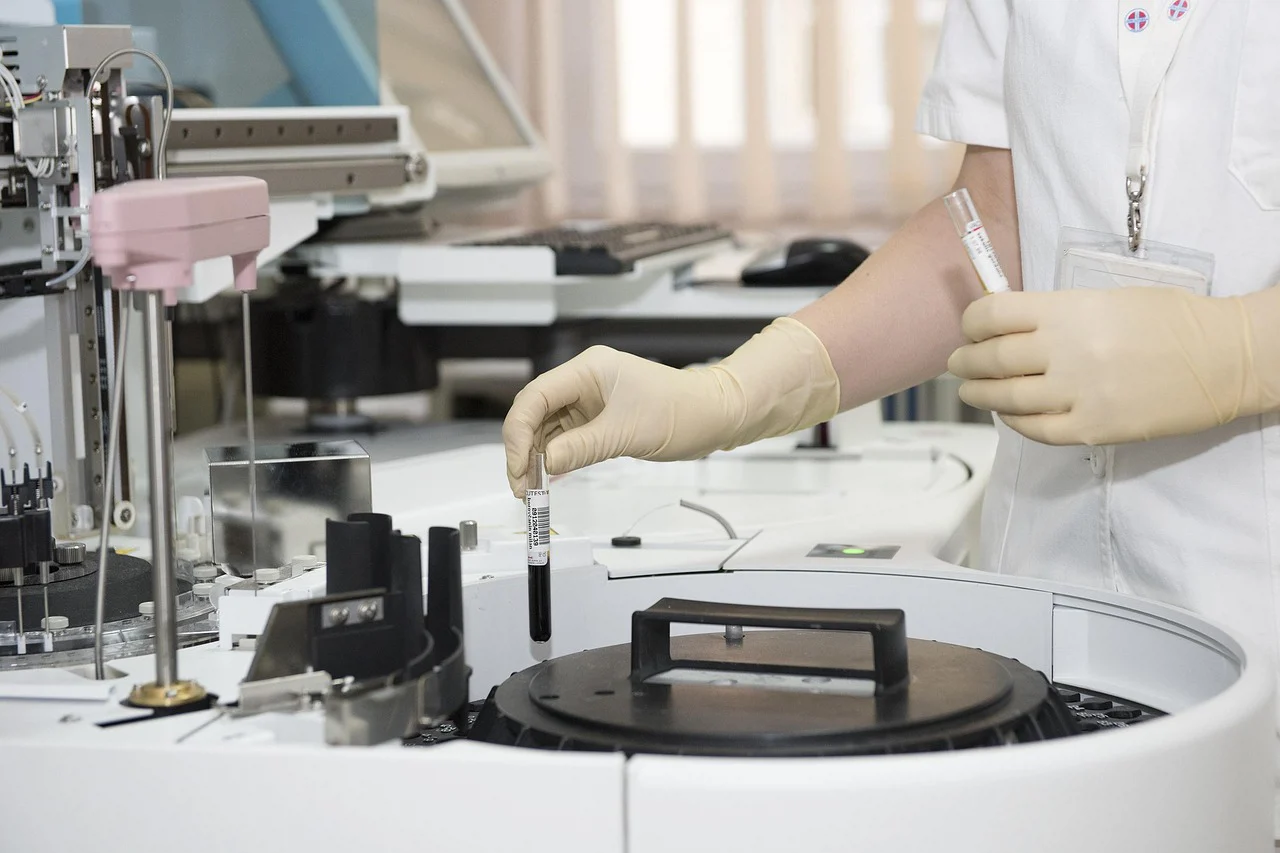
The BioFire Fever panel runs on a single cartridge that analyzes a whole blood sample in about one hour. It can detect 16 pathogens at once, including Bundibugyo, other Ebola strains, Marburg virus, and Lassa virus. By delivering a broad differential diagnosis, it allows doctors to quickly identify the cause of an acute fever and decide the right treatment and isolation measures.
The Bundibugyo outbreak, declared a Public Health Emergency of International Concern on 17 May 2026, has generated 9,552 confirmed cases and 4,602 deaths in the Democratic Republic of Congo as of 18 October. The virus has also been confirmed in Kenya, with eight cases reported there, indicating a risk of further spread across East Africa. The WHO continues to coordinate response efforts amid rapidly changing epidemiological data.
Outbreak Context
There are no FDA‑approved vaccines or antivirals for Bundibugyo, but the WHO is accelerating research. The PARTNERS trial started in July 2026 to evaluate remdesivir and a double‑antibody therapy called MBP134, both aimed at treating Ebola viruses. A separate Phase I trial is testing a vaccine candidate from Oxford and Pandemic Sciences Institute, although WHO is not the direct sponsor. These studies aim to provide new therapeutic options while diagnostics curb transmission.
Early and precise diagnosis can prevent isolated cases from becoming widespread outbreaks. Dr. Charles Cooper, executive vice president of bioMérieux, said that faster differential testing helps health workers allocate resources more efficiently and better protect communities. With the emergency use listing in place, clinicians now have a faster tool to distinguish Bundibugyo and other viral haemorrhagic fevers, strengthening the global health response.