

Photo credits
WHO Experts Recommend Single HPV Dose and New Vaccination Rules Due to Funding Shortfalls
Global health officials advise stretching vaccine supplies with new dosing schedules while facing budget gaps.
14 Oct 2026 0 reads Compiled with AI
The World Health Organization experts have suggested new rules for vaccines to help countries manage limited funds. They say nations should stretch their supply to ensure more people stay healthy despite shrinking budgets. These recommendations came from the Strategic Advisory Group of Experts on Immunization during a briefing on Tuesday.
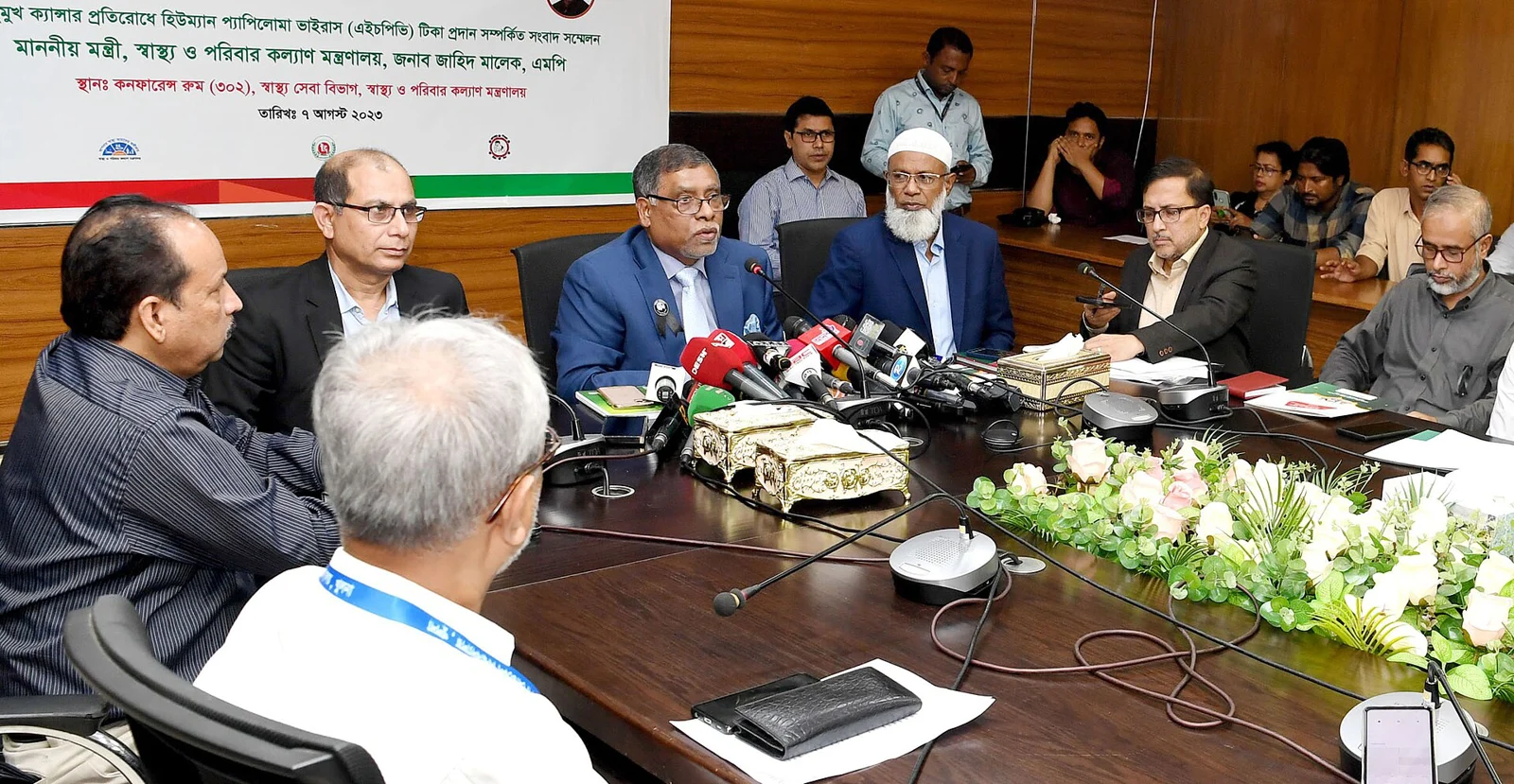
A key change allows one dose of the human papillomavirus vaccine for girls aged 9 to 14 years. Some 165 countries have already introduced this vaccine, yet global coverage sits at 33 percent. This figure is far below the 90 percent target set by experts.
Leaders also suggested looking at other groups for this vaccine under specific conditions. Girls as young as 4 might get the shot if it helps increase vaccination rates in a country. Countries should also consider giving the vaccine to boys and women up to age 30 who missed earlier protection.
Cervical cancer is the fifth most commonly diagnosed cancer in women globally. The World Health Organization reports some 604,000 new cases and around 280,000 deaths in 2024. This disease remains a leading cause of cancer death in 26 countries.
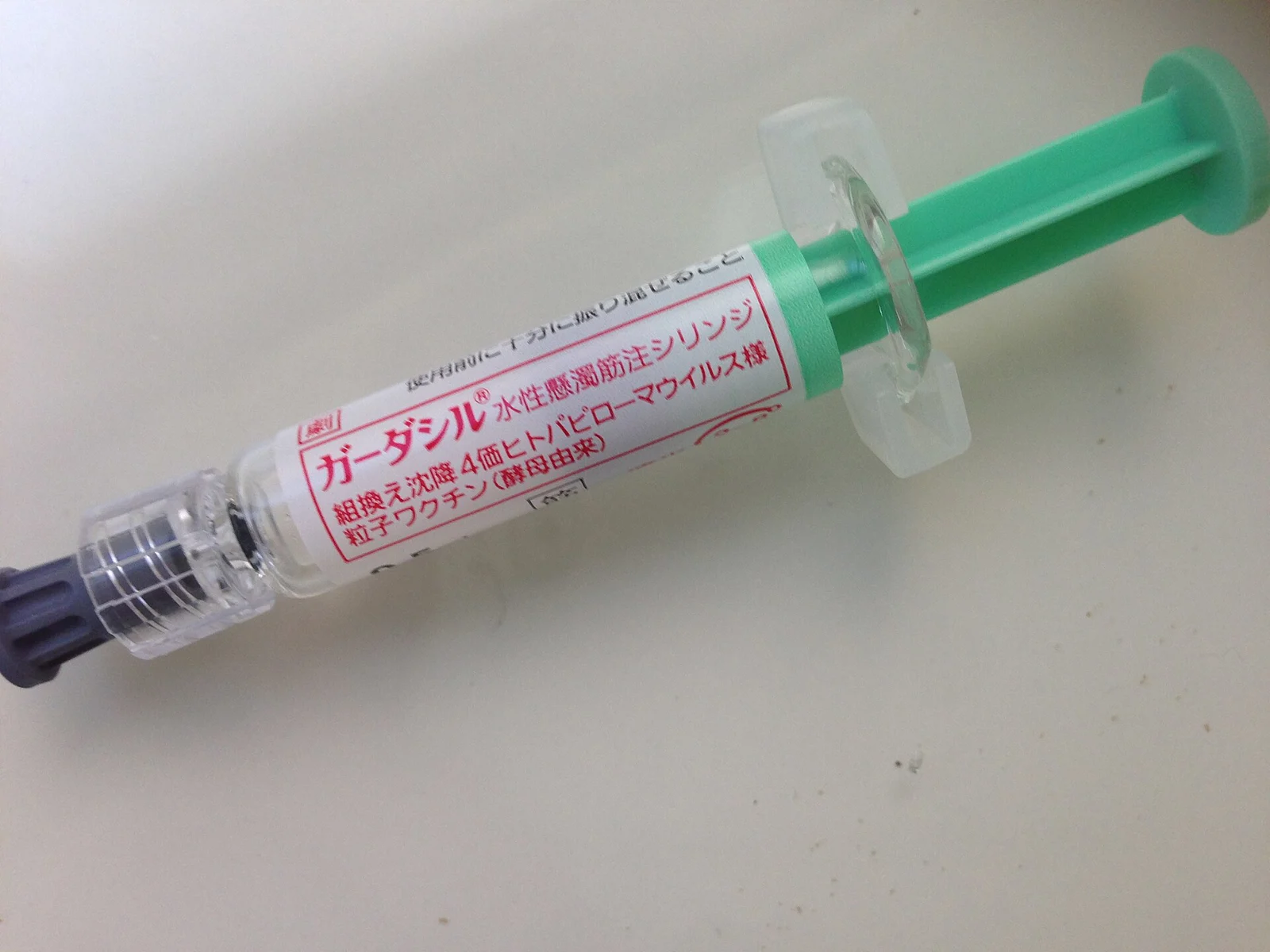
Photo credits
Financial constraints drive these policy decisions among the poorest nations. SAGE noted the funds shortfall facing Gavi as a key driver of its new recommendations. The platform has secured $9.3 billion of its recalibrated $10.2 billion strategic budget.
For other diseases, rules depend on whether there is an outbreak happening at the time. Countries can use a single diphtheria shot during outbreaks but must follow up with routine shots later. A smaller dose of yellow fever vaccine is allowed when demand exceeds supply in these emergency situations.
Experts warned that countries should not reduce the polio vaccine schedule for infants. Children still need three doses at 6, 10 and 14 weeks to ensure adequate protection. Additional doses can be given during outbreaks to supplement the standard three doses for infants.
New work is underway for vaccines against Ebola and mpox viruses in affected regions. Trials are evaluating candidates from Oxford University and Moderna for rapid development under a single protocol platform. Health workers are advised to consider targeted vaccination for people at high risk of infection in communities where these diseases spread.