

Photo credits
Water caps drive tau protein clumping in brain diseases, study finds
Researchers identify a specific water-coated spot on proteins that helps them stick together to form harmful tangles.
14 Oct 2026 1 read Compiled with AI
#Northwestern University #University of California Santa Barbara #Alzheimer's disease #Tau proteins #Songi Han
Scientists at Northwestern University and the University of California Santa Barbara have discovered a new detail about brain diseases. They found a consistent anchor point on tau proteins where molecules meet before forming tangled shapes. The findings were published in the Proceedings of the National Academy of Sciences.
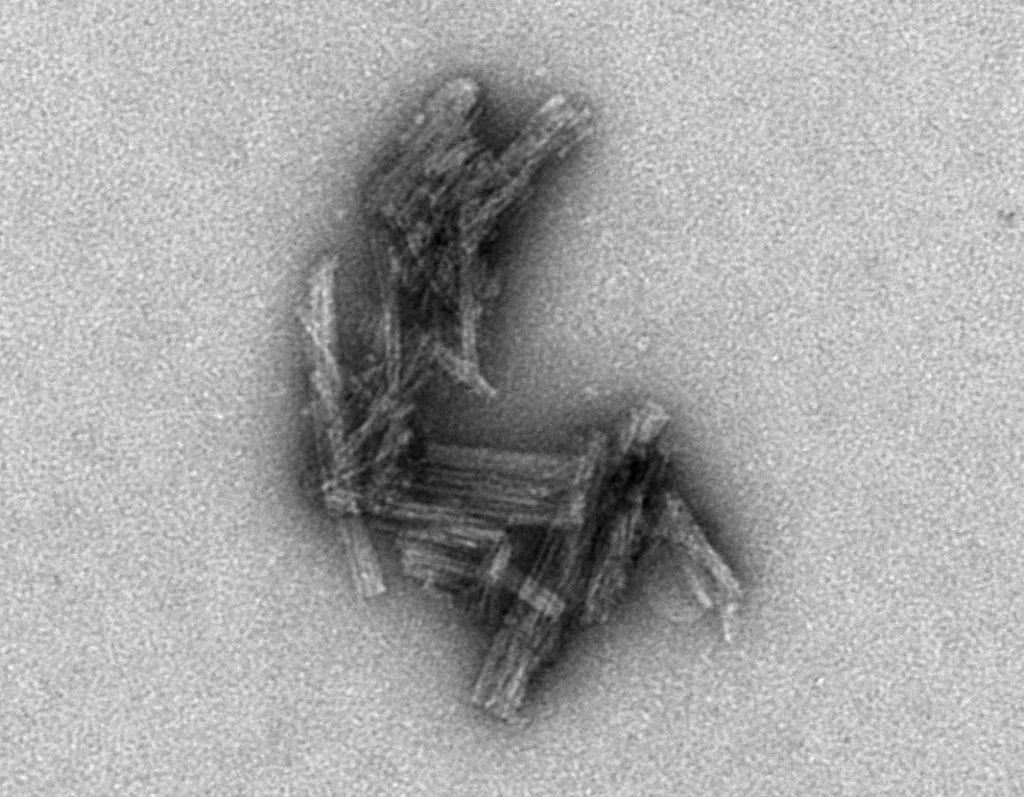
In diseases known as tauopathies, including Alzheimer’s disease and frontotemporal dementia, tau proteins misfold inside nerve cells. This misfolding encourages other healthy proteins to adopt the same abnormal shape. The result is the accumulation of knotted threads that disrupt communication among neurons.
The study reveals that water plays a key role in how these proteins stick together. Certain regions of the protein are hydrophobic, meaning they tend to repel water. To protect these areas, water molecules form a cap that wraps over the site before release.
Using nuclear magnetic resonance spectroscopy, the team tracked how individual parts of the protein clumped. They identified a region around amino acid 300 that contacted existing aggregates more rapidly than other sites. This suggests it acts as an initial anchor for the process to begin.
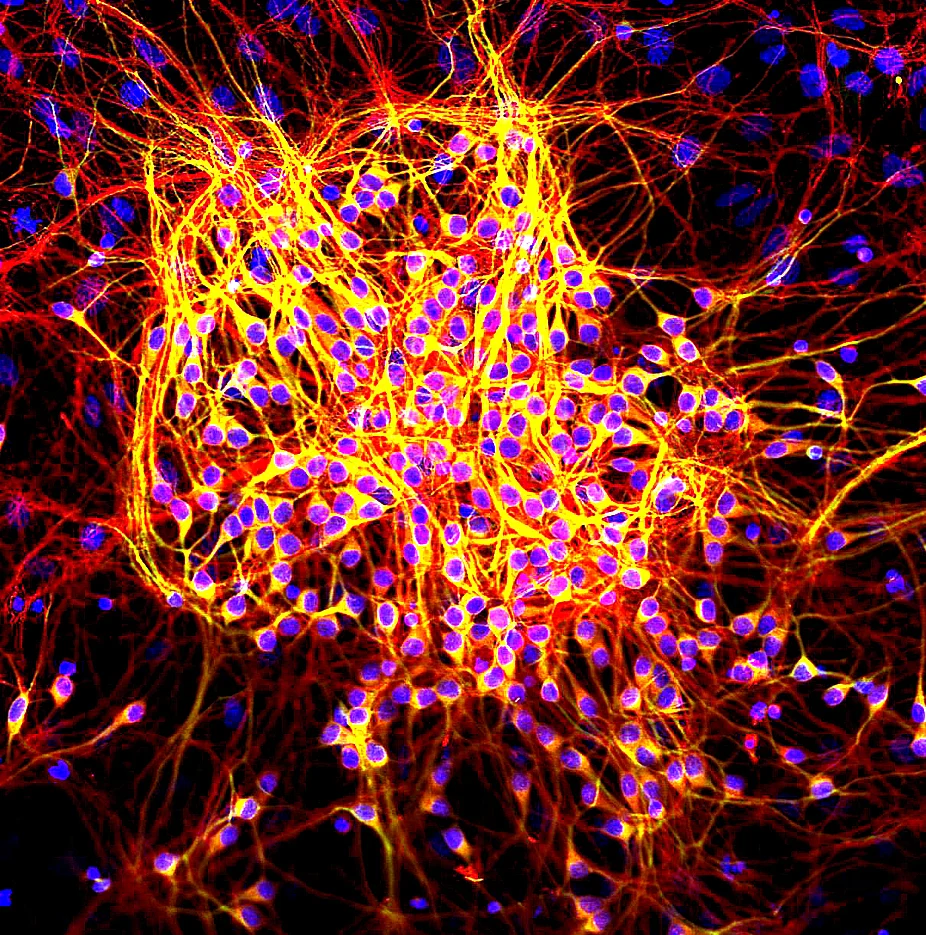
Photo credits
The researchers describe this mechanism as a dock-and-lock process where molecules align before locking into place. When two hotspots meet, the capping water is released and the energy gained pulls the proteins together. This ensures the tau proteins line up the same way every time they stack.
To test if this anchor point was essential, researchers attached a chemical block to different locations on the protein. When the block was placed around the hotspot, the fiber’s growth was inhibited significantly. Chemicals at other positions had much less effect on stopping the clumping.
Songi Han is the senior author and a chemistry professor at Northwestern's Weinberg College of Arts and Sciences. She says knowing where to block the action could prevent misfolded proteins from propagating further in the brain. This gives scientists a specific target for future therapeutic solutions.
The work remains an early step towards developing treatments that can interfere with tau aggregation. The experiments used short tau constructs carrying a disease-associated mutation rather than demonstrating effects in people. Further research will need to establish whether the mechanism holds across different structures and if drugs can safely disrupt it.