

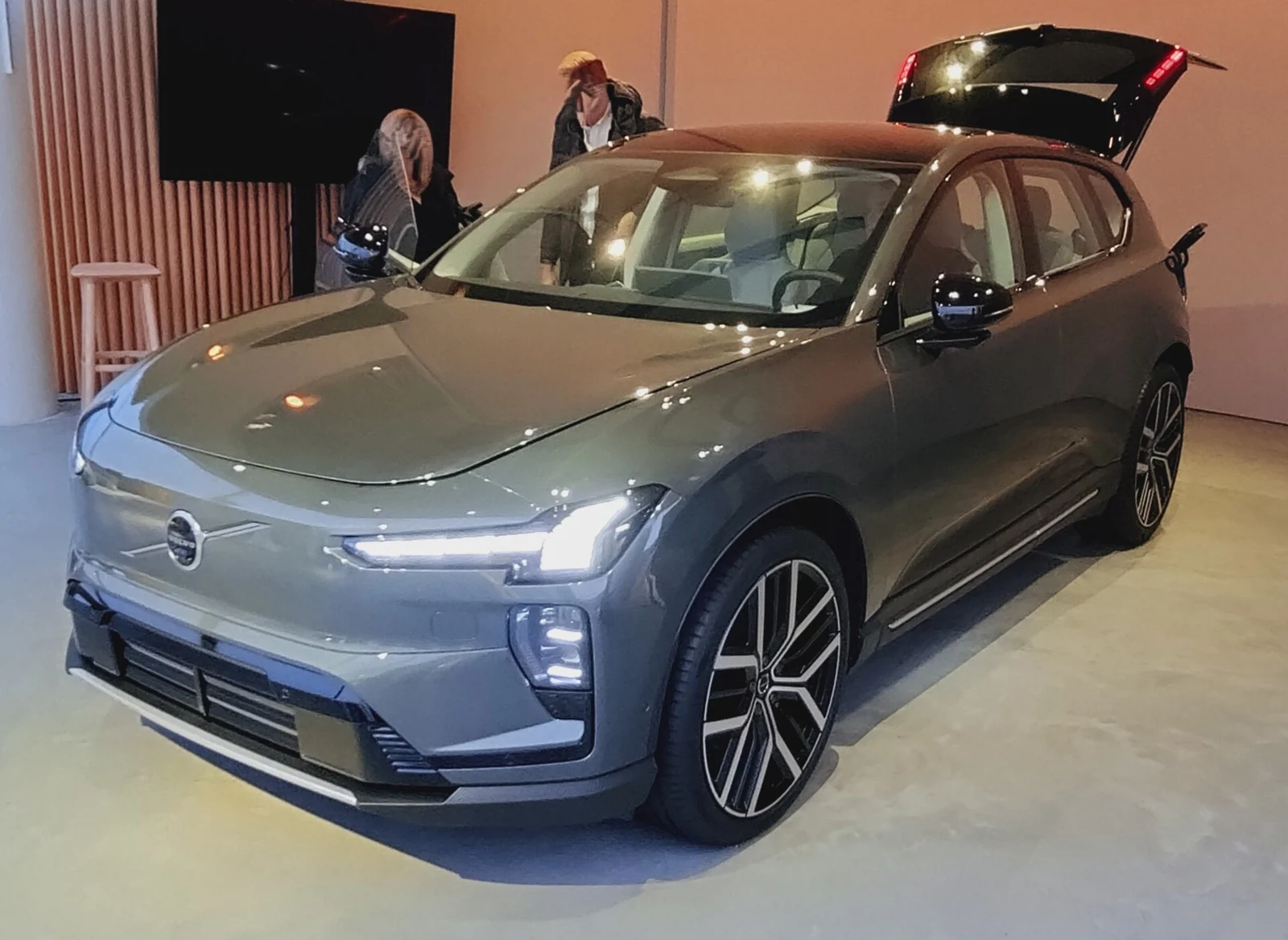
Volvo EX60 Production Delays Push U.S. Shipments to Late 2027
Production challenges with new manufacturing methods have cut output to one‑tenth of the original target, delaying most U.S. deliveries until the second half of 2027.
14 Oct 2026 0 reads Compiled with AI
#Volvo #EX60 #United States #Sweden #Megacasting
The new electric SUV, the Volvo EX60, is facing production problems that will delay most U.S. deliveries until late 2027. The Swedish automaker has cut its output to about one‑tenth of the original plan. Only a few cars have reached the United States so far.
The EX60 is the electric version of Volvo’s best‑selling XC60, which topped sales worldwide in 2025. Volvo had cancelled the smaller EX40 in the U.S. because demand was low, so the EX60 is a key product for the company. Volvo expected to sell around 7,000 EX60s in the U.S. this year, a much higher number than its other EVs did last year.
To meet its goal, Volvo set a target of 2,000 vehicles per week at its plant in Torslanda, Sweden. The plant is now producing only about one‑tenth of that target, a fraction of the planned output.
The EX60 uses megacasting and cell‑to‑body construction, which should make the car lighter and cheaper and improve handling. However, joining the battery system to the large cast structure has proved more difficult than expected, slowing production.
Because of the slowdown, Volvo is focusing on European sales for the rest of this year and the first half of 2027. A very limited number of EX60s have already arrived in the U.S., and dealers say they will not receive a large supply until the second half of 2027. Customers who want an EX60 should act now or be prepared to wait.
Volvo still hopes to sell 200,000 U.S. units each year by 2030, but the production delay could make that target harder to reach. The new EV SUV starts at about $60,000. The delay means that buyers may miss the opportunity to get the car at launch prices.