

Transcranial ultrasound reduces delusions in schizophrenia
A pilot trial shows a single 10‑minute session of MRI‑guided ultrasound targeting the globus pallidus interna can lower delusion severity in patients with treatment‑resistant schizophrenia or schizoaffective disorder.
21 Oct 2026 0 reads Compiled with AI
#NYU Langone Health #schizophrenia #transcranial ultrasound #globus pallidus interna
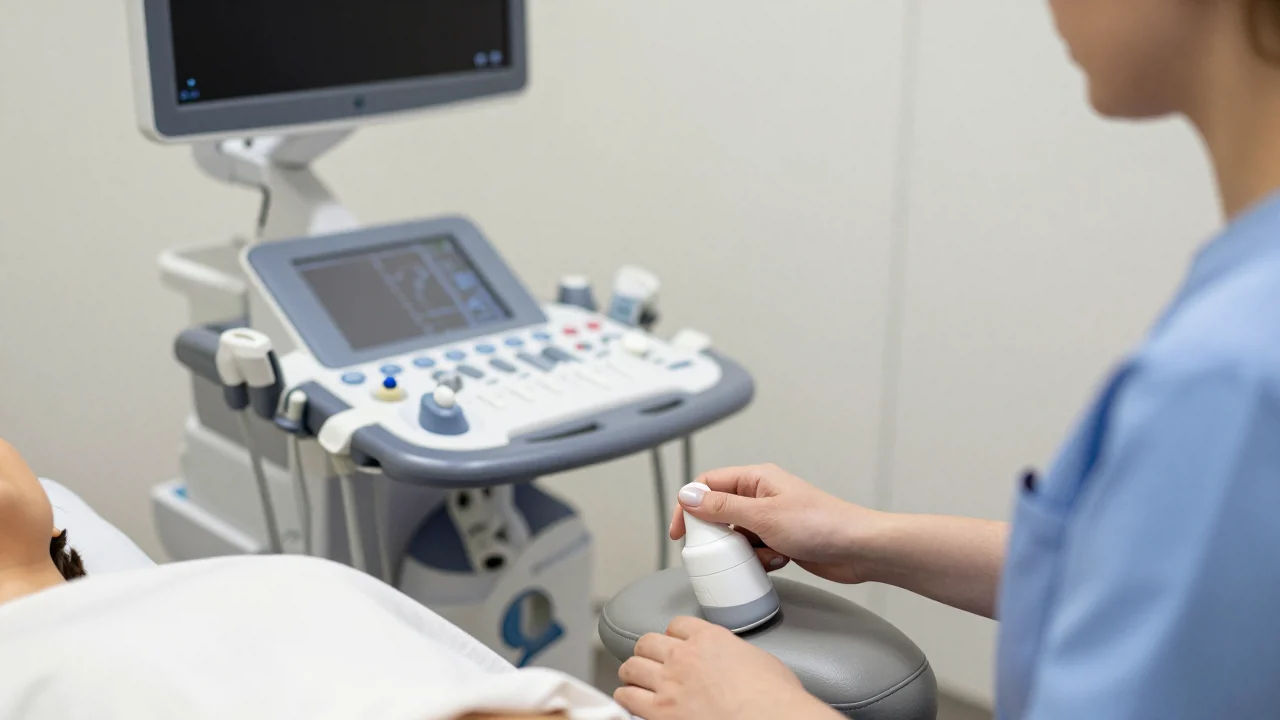
A double‑blind, sham‑controlled crossover study enrolled ten adults with chronic schizophrenia or schizoaffective disorder who continued medication but had persistent psychotic symptoms. Using high‑resolution MRI to guide a 350‑kHz transducer, researchers applied focused ultrasound to the right globus pallidus interna for 10 minutes in 30‑second on/off cycles, delivering 5 % duty cycle acoustic energy. The design ensured that neither patients nor raters knew whether the active or sham session was delivered.
Results show a drop in delusions
The active ultrasound session produced a statistically meaningful drop in delusion severity, averaging 1.2 points lower on a standardized scale compared with baseline. In contrast, the sham visit resulted in a 0.4‑point increase. The difference was significant (p = 0.002) with an effect size of 0.68, and the benefit persisted through the seven‑day follow‑up period.
Side‑effect data were reassuring: both the real and sham treatments produced mild, transient symptoms such as fatigue, headache, and brief increases in psychotic distress, with no serious adverse events reported. The incidence and severity of these effects were similar between the two conditions.
Researchers plan larger, multi‑session trials to test whether repeated ultrasound can deepen or extend symptom relief. Future studies will also incorporate individualized acoustic modeling to tailor intensity to each patient’s skull thickness and brain anatomy. Funding for the pilot came from the Doris Duke Foundation Fund to Retain Clinical Scientists, the Brain & Behavior Research Foundation, and the Max G. Schlapp Mental Hygiene Fund.
Transcranial ultrasound offers a noninvasive alternative to electrical or magnetic neuromodulation. Unlike transcranial magnetic stimulation or transcranial direct‑current stimulation, ultrasound can focus on small deep structures such as the globus pallidus interna without affecting overlying cortex. Earlier work has used ultrasound for anxiety, depression, obsessive‑compulsive disorder, and cognitive enhancement in Alzheimer’s and Parkinson’s patients, suggesting a broad therapeutic potential.