

Photo credits
Tesla plans school for 10,000 Optimus robots
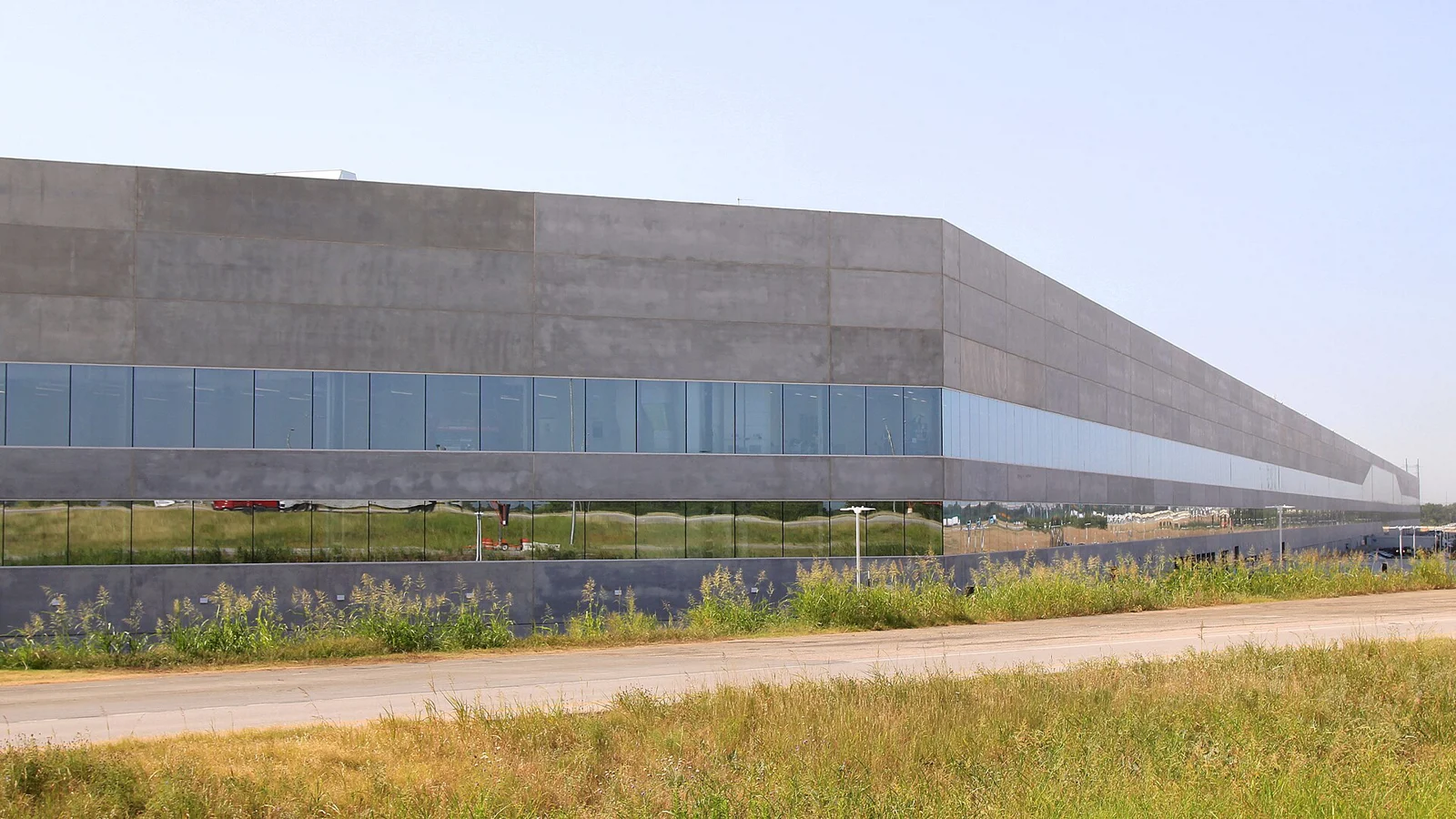
Tesla plans to build a school for tens of thousands of Optimus robots, aiming to launch the AI5 chip in 2027 and produce the first chips at its Terafab plant by 2028.
22 Oct 2026 0 reads Compiled with AI
Tesla said it will build a training campus to produce and teach tens of thousands of Optimus robots by 2027. During the Q3 earnings call on October 21, Elon Musk outlined a goal of 10,000 to 20,000 units to gather training data, noting that the company has set up a production line in Fremont that could eventually make one million robots a year. Musk said reaching 20,000 robots a week would take at least another year because every component of the design must work reliably, describing it as a “10,000 things” challenge. The company plans to start delivering Optimus to other firms at the end of 2027, focusing first on industrial jobs that are dangerous, repetitive or require continuous work.
Training the Robots
To train robots Musk described an Optimus Academy where the units will practice a wide range of tasks through self‑play. The data gathered from the robots’ own experiments will be fed back into their AI to improve performance, a process Musk compared to raising a child. Early learning will involve the robots watching humans perform tasks before they begin self‑play, according to Ashok Elluswamy, head of Tesla’s AI software team.
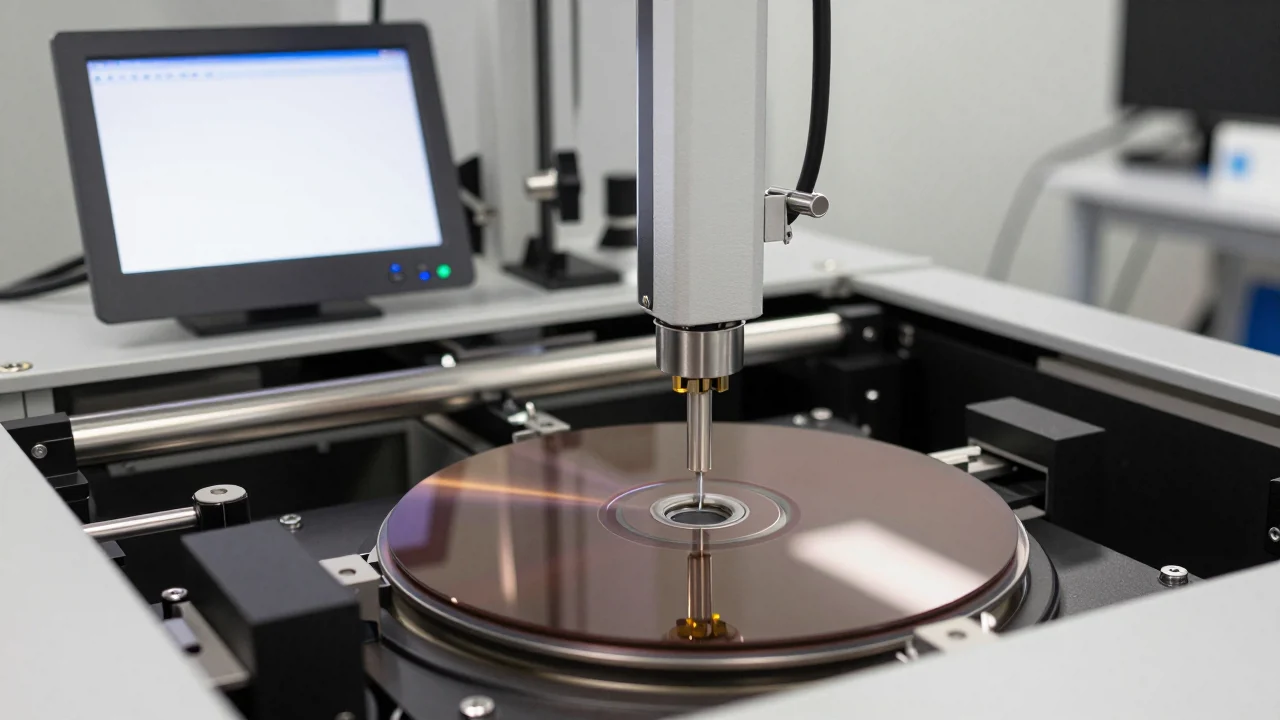
The AI5 chip, expected to reach Optimus robots in April 2027, will be produced at Terafab, whose volume production is slated for Q3 2028. Intel is a key partner using a 14A manufacturing process.
Building a humanoid robot is fraught with engineering hurdles, the most difficult of which is the hand. Musk said the hand must be strong enough for repeated use yet gentle enough to pick up fragile objects. The company is also working on a large supply chain for Optimus, with suppliers such as Mirle Automation and Asia Optical reportedly involved in providing components such as actuators and joint modules.
Musk said the Optimus line could become the largest product on Earth, and that it would be especially useful in environments that are hazardous or require continuous operation. He also claimed Tesla is ahead of other humanoid‑robot makers, though no evidence was provided to support that comparison.