

Subaru Unveils In‑House EV Platform with 510‑HP Prototype
The Japanese automaker showcased a test mule built on a modified Outback that delivers around 510 horsepower, a lighter battery, and new safety features, with the technology slated for production vehicles in 2029.
20 Oct 2026 0 reads Compiled with AI
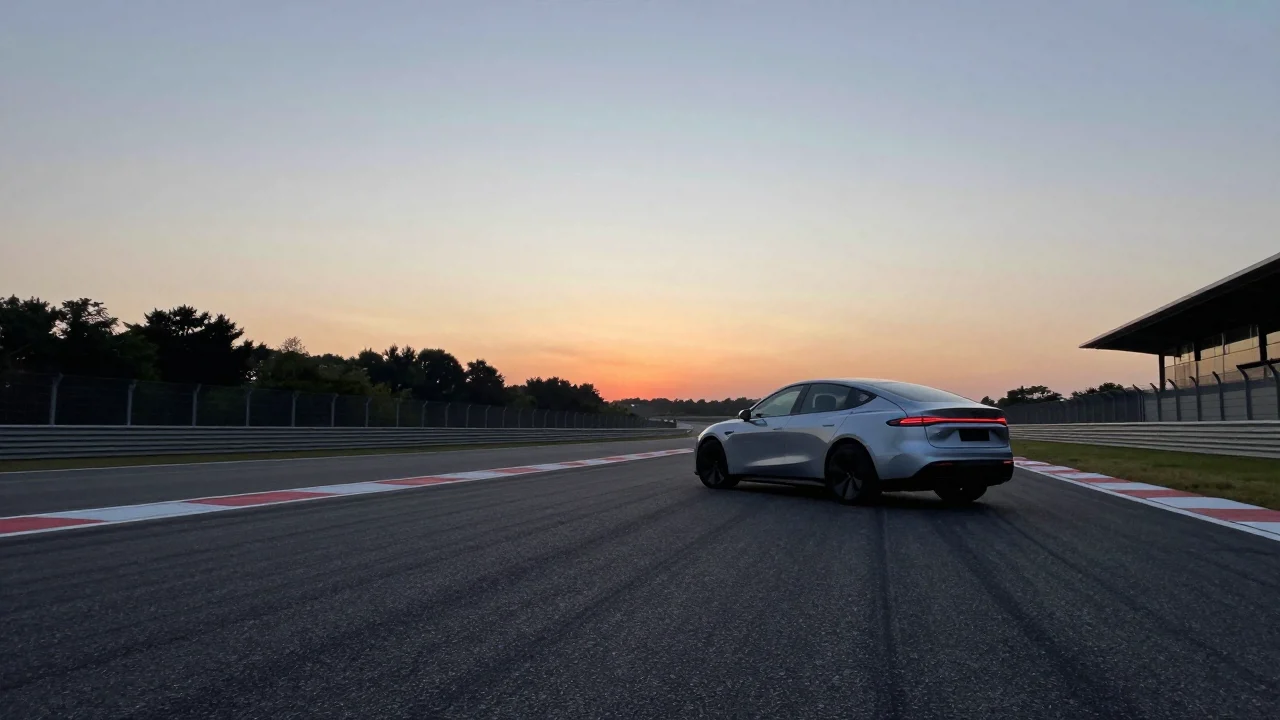
Subaru revealed that it has built an electric‑vehicle platform entirely in-house, a move designed to reduce its dependence on Toyota for future EVs. The company showed a prototype on its proving ground north of Tokyo, using a stretched Outback body and a longer wheelbase; the vehicle’s wheel wells were widened, leaving visible gaps around the tires. Subaru said the chassis would enter production around 2029, but it did not disclose battery capacity, range or charging speed.
The prototype’s powertrain consists of two electric motors that together produce about 380 kW (roughly 510 hp). The front motor delivers 201 hp and the rear 308 hp, a configuration developed with Aisin. Subaru claims the motors are 30 % more efficient than the industry average. The battery pack, built with Panasonic Energy, contains 4,000 cylindrical cells, is 25 % lighter than previous models, and targets an energy density about 20 % above the industry average. The vehicle can accelerate from 0 to 62 mph (100 km/h) in under four seconds.
Subaru’s new platform includes an integrated electronic control unit that supports over‑the‑air software updates and will back the next‑generation EyeSight driver‑assistance system. The structure has been redesigned to improve crash protection; the front section can absorb impact energy more effectively, and the front motor is designed to rotate during a collision to reduce forces on the battery and occupants. The entire architecture is about 100 kg lighter than Subaru’s existing EV platforms, which should help with handling and efficiency.
The automaker said that some of the new technologies could reach customers starting in 2029, but it has not confirmed a production model or specific launch date. Subaru will continue to develop more efficient gasoline engines and hybrids while it builds its own electric architecture. The move is intended to preserve Subaru’s distinctive all‑wheel‑drive character and safety focus, rather than simply adopting technology shared with Toyota.
Driving.ca , Automotive Addicts , Car and Driver , Electric Cars Report