
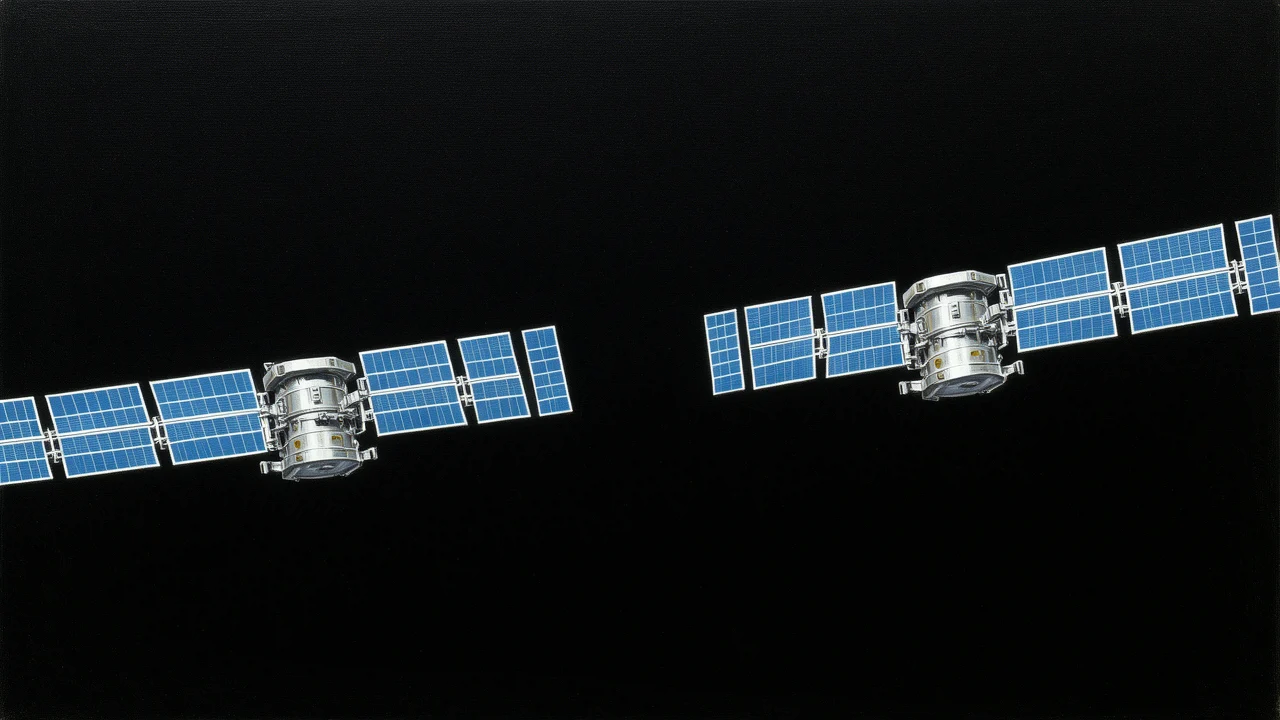
SpaceX urges satellite operators to share data for safer shared orbital traffic
SpaceX leaders asked for better tracking cooperation after Starlink satellites nearly hit others in orbit.
9 Oct 2026
Michael Nicolls from SpaceX spoke at a major space meeting in Turkey. He warned that safe travel around Earth needs more sharing between companies.
Recent close calls showed some satellites passed within hundreds of meters of Starlink vehicles. These near misses happened because other operators did not tell anyone where they were going.
Over 11,000 active Starlink satellites already circle the planet today. Plans exist to launch millions more for new services alongside networks from competitors.
Hitting one satellite can create a cloud of fragments that stays for decades. This debris makes flying even harder for everyone using low Earth orbit paths.
Sharing location details is known as releasing ephemeris, which tracks where each object will move next in space.
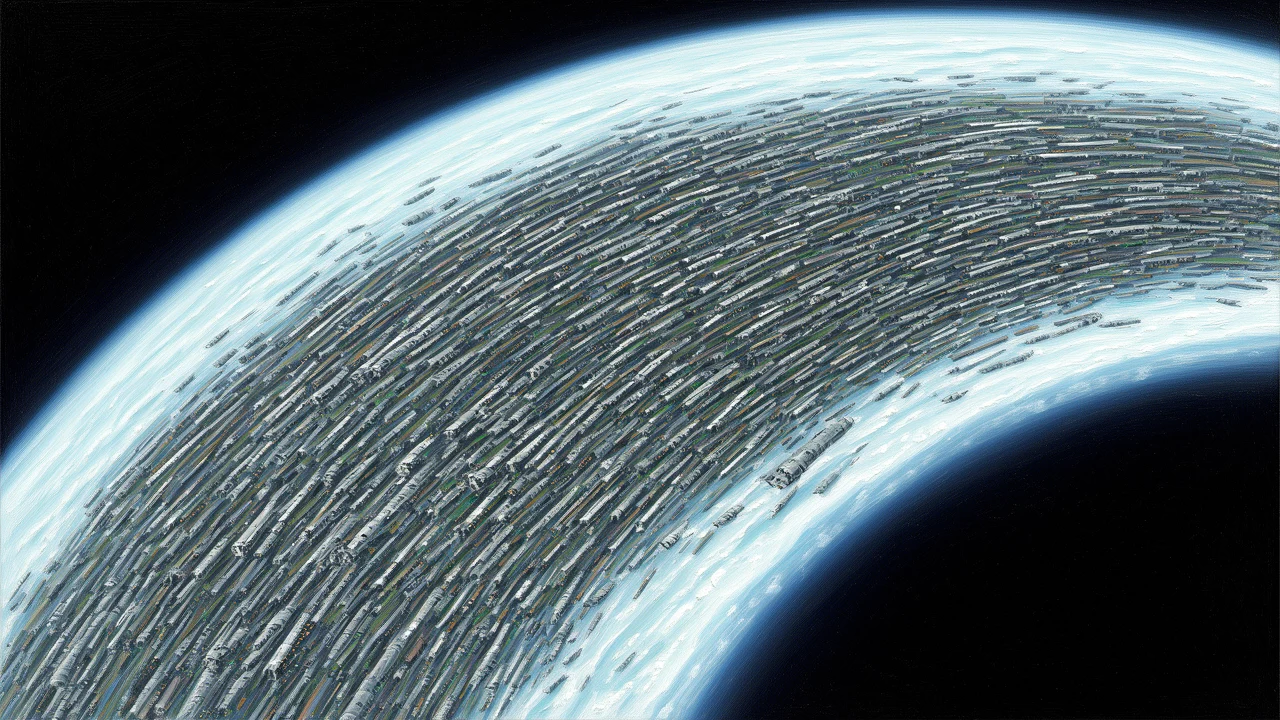
SpaceX moved its fleet lower to reduce long-term junk and speed up removal of broken parts. New satellites fly at about 350 kilometers to burn up faster if they fail.
Some Starlink units use special cameras named Stargaze to spot nearby objects. These systems find most moving neighbors before a human could see them on Earth.
Crews often order the spacecraft to turn sideways during close approaches. This simple move reduces the chance of damage without using much fuel.
American and European firms generally trade this location info with SpaceX regularly. Chinese operators often keep their satellite paths private for strategic reasons instead.
The final goal is a global standard for tracking cooperation across all nations. Safe operations require knowing the position of every object in busy orbital lanes.