

SpaceX’s AI unit outpaces investor forecasts
SpaceX’s artificial‑intelligence arm earned $431 million profit, eclipsing analysts while the company shifts from rockets to cloud‑scale compute.
21 Oct 2026 0 reads Compiled with AI
#SpaceX #AI #Super Intelligence #Starlink #Starship
SpaceX reported third‑quarter revenue of $14.6 billion, with its newly rebranded Super Intelligence segment accounting for more than half of that income. The division’s data‑center operations and Grok conversational agents proved more profitable than analysts had expected, helping the company move away from its original focus on launches and satellites.
Super Intelligence drives revenue
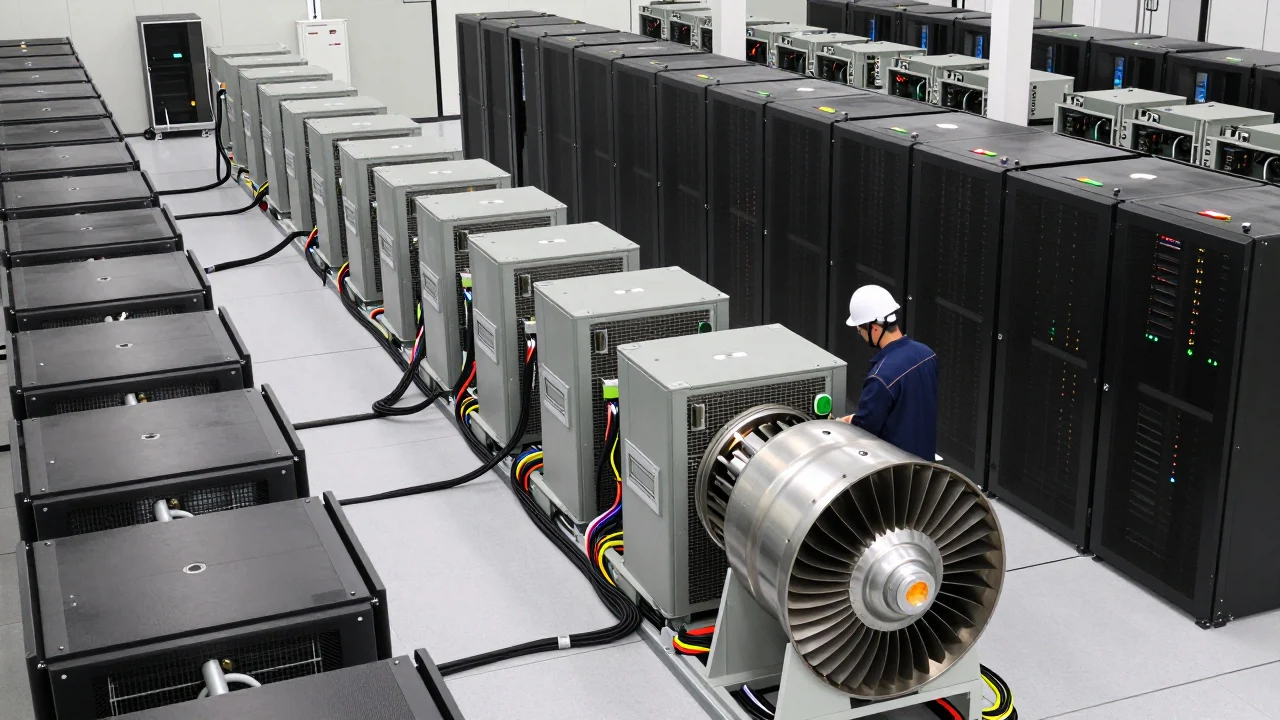
The Super Intelligence line generated $7.5 billion in revenue, driven by the recently acquired Cursor coding tool, the Grok bot and a growing neocloud business that now supplies 1.7 GW of compute power. The unit posted $431 million in profit, a figure that would have been higher without a $1.2 billion one‑time stock‑based expense related to the Cursor purchase.
Capital spending reached $19.6 billion as SpaceX expands its second data‑center project, Colossus II, and ramps up investment in its Starship rocket. Chief financial officer Bret Johnsen said the company will spend $35 billion to $40 billion on new capital projects in the fourth quarter. Elon Musk spent four days a week in Memphis, Tennessee, where he urged engineers to solve power‑and‑cooling constraints for large‑scale compute.
SpaceX’s Starlink internet service now serves 13.6 million subscribers, a growth that the company attributes to rising demand from AI agents. The company turned a $1 billion loss in the same quarter last year into a $4.4 billion net income, although it still posted a $413 million loss over the first nine months. Musk projected that by the end of 2027, Super Intelligence could generate $500 billion to $1 trillion in annual recurring revenue.