

Photo credits
SpaceX launches 27 Starlink satellites from California
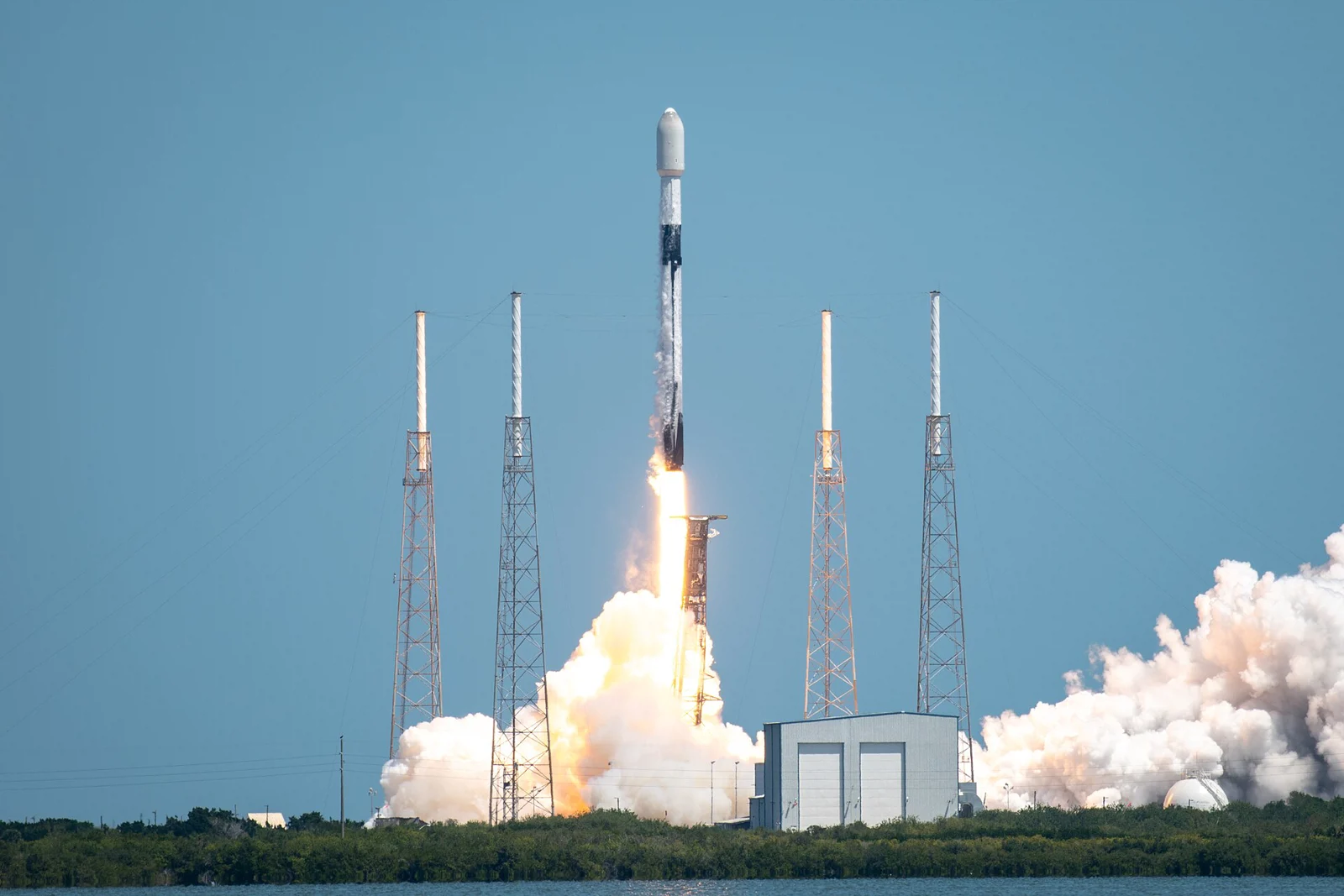
On Oct. 23, SpaceX launched a Falcon 9 rocket carrying 27 new Starlink satellites from Vandenberg Space Force Base.
24 Oct 2026 0 reads Compiled with AI
On Oct. 23, 2026, SpaceX launched a Falcon 9 rocket carrying 27 new Starlink satellites from Pad 4E at Vandenberg Space Force Base in California. The satellite cluster, known as Starlink Group 15‑15, was stacked 27 high inside the rocket’s payload fairing. The launch occurred at 6:48 p.m. EDT. About 2.5 minutes after liftoff, the first‑stage booster separated from the upper stage. The rocket’s two‑piece fairing was discarded just before the third minute of flight.
Booster landing
After the fairing was jettisoned, the first‑stage booster, B1063, turned around and began a landing burn 8 minutes after launch. It touched down on SpaceX’s droneship “Of Course I Still Love You” about 20 seconds later, marking the 36th launch and landing for that booster. The second‑stage engine performed its first burn, then coasted for roughly 45 minutes before a final orbital‑insertion burn that will place the satellites into low‑Earth orbit. The deployment of the 27 satellites is scheduled to begin 62 minutes after launch.
The 27 satellites will join more than 11,000 active Starlink spacecraft already orbiting Earth. However, Starlink launches are occurring less frequently because SpaceX is shifting focus from the Falcon 9 to its larger Starship rocket, which is designed for full reusability and can carry the newer, larger Version 3 satellites. Once Starship becomes operational, SpaceX plans to phase out the Falcon 9 and Falcon Heavy almost entirely.
In 2026, the Falcon 9 has flown more than a hundred missions, with about three‑quarters dedicated to Starlink. Starlink launches have slowed from one every two to three days at their peak, and the most recent one before this launch came 11 days earlier. The last Falcon 9 Starlink mission from Florida was Starlink 10‑49. The 2025 year was the busiest for Falcon 9, with 165 launches, and at the current rate the rocket is expected to fly just under 150 missions by the end of 2026.