

Space Rider mock‑up crashes after parafoil failure
ESA’s full‑scale drop test of the Space Rider spaceplane ended when the parafoil detached, sending the vehicle back to Earth and prompting an investigation.
22 Oct 2026 0 reads Compiled with AI
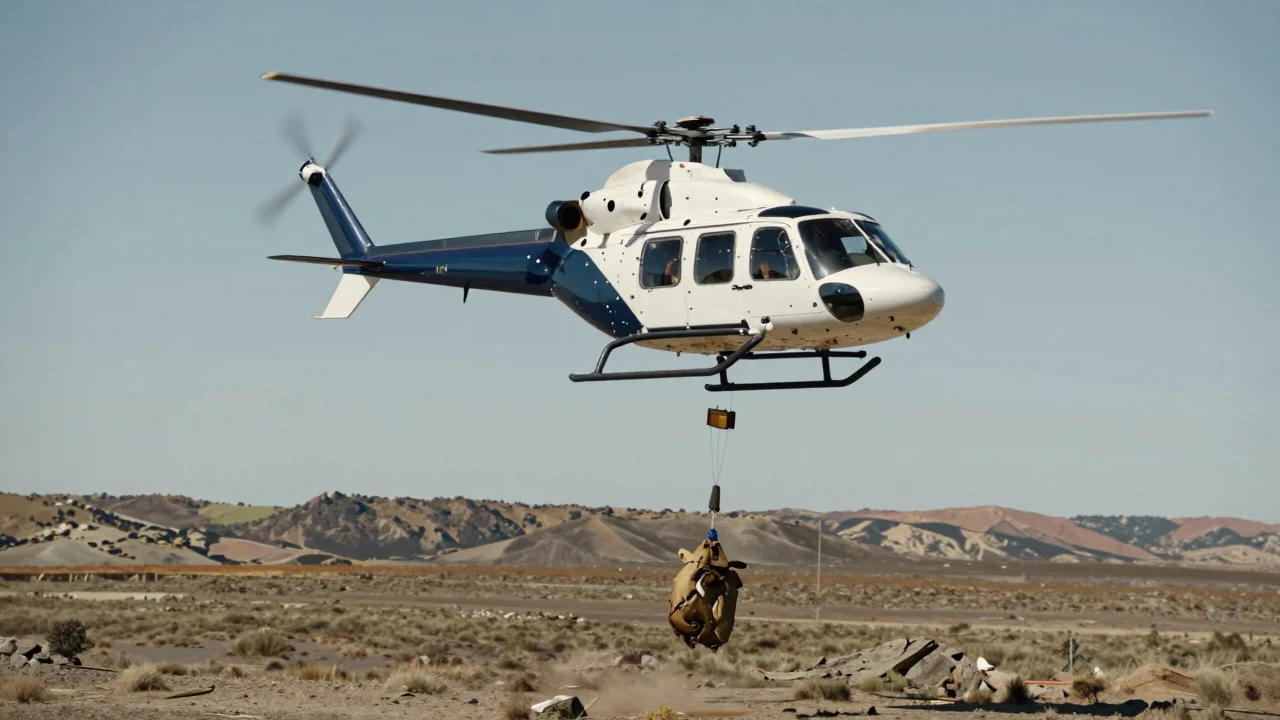
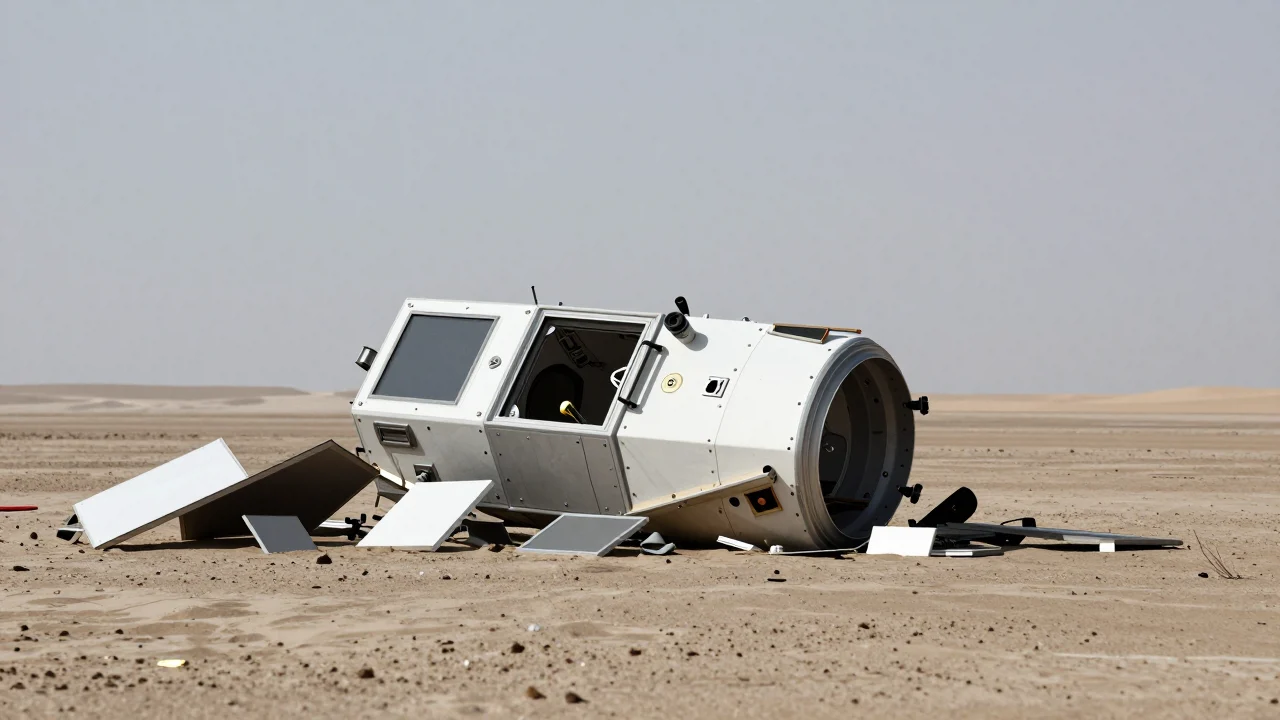
The European Space Agency’s full‑scale Space Rider drop test on 6 Oct from a helicopter at about 3 km over a Sardinian military range ended abruptly when the parafoil, which should have guided the vehicle to a controlled landing, detached. The drogue parachute deployed successfully, slowing the mock‑up, but the subsequent parafoil failure caused the vehicle to crash back onto the ground faster than planned.
Investigation underway now
Investigation underway now. An investigation board has been established to examine why the parafoil fell off. Teams recovered remnants of the test vehicle from the crash site, but investigators have yet to identify the root cause of the failure. The board will review the deployment sequence and mechanical interfaces to determine whether a design issue or an operational error triggered the detachment.
Earlier in the year, a May drop test was aborted during a captive ascent phase when a CH‑47 Chinook helicopter carried the model to altitude; the vehicle was recovered safely but the test had to be halted because a key component failed to deploy. ESA noted that testing would not resume before October, mainly because the required test range was not available. Previous drop tests in 2024 and 2025 used mass simulators to validate the parafoil and autonomous landing systems, while the recent full‑scale campaign used a vehicle that replicated the spacecraft’s mass, aerodynamic shape, and landing gear to mimic real‑world conditions more closely.
Schedule remains on track. ESA says the setback does not delay the overall development plan. The remaining qualification activities are not on the programme’s critical path, meaning that work can continue while the investigation proceeds. ESA still expects the first flight in 2028, now targeting the second half of the year rather than the first quarter. The agency will review the timeline once the investigation board finishes its analysis.
Space Rider will be launched aboard a Vega C rocket that now carries an upgraded P160C first stage from the Guiana Space Centre. This launch will mark the first flight of the Vega C with the more powerful solid‑fuel booster, and it will also be the first time the vehicle reaches low Earth orbit to carry experiments and return them for recovery. The program aims to demonstrate Europe’s first reusable uncrewed orbital spacecraft, bringing back payloads that can be examined on the ground.