

Sleep loss rewires brain networks, reducing endurance
A small study shows that fewer than four hours of sleep shortens the time a person can sustain a muscle contraction by altering brain network communication, not by weakening the muscles themselves.
17 Oct 2026 0 reads Compiled with AI
#Sleep loss #Central fatigue #Brain networks
Researchers found that acute sleep restriction changes how large‑scale brain networks interact, causing an early stop to physical effort. While the muscles themselves show no change in fatigue, the brain’s signals to the spinal cord are curtailed, a process called central fatigue. The study highlights that the brain, rather than the muscle, determines how long a person can sustain exertion.
Study design
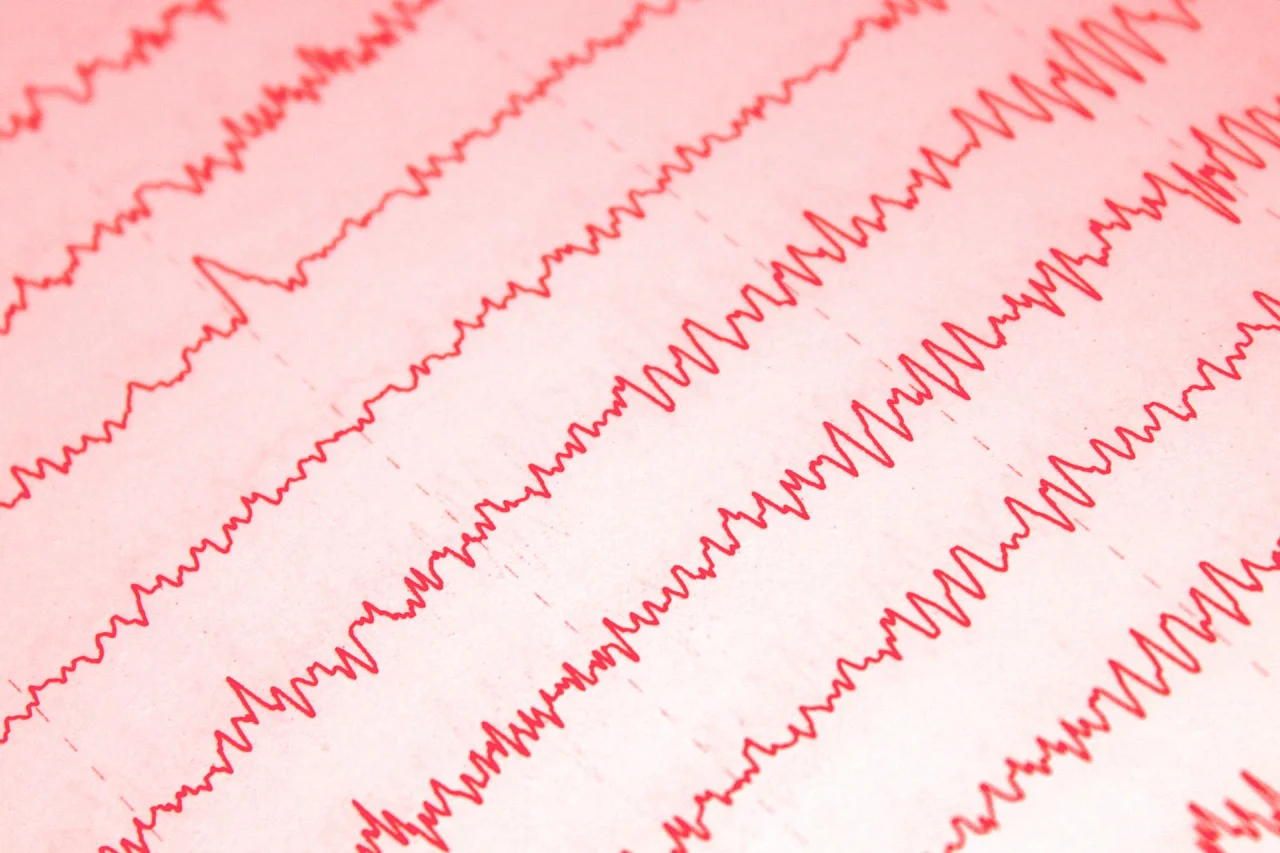
The experiment recruited 35 healthy male college students who performed an isometric arm contraction after two sleep conditions: a normal night of more than seven hours and a restricted night of under four hours. Each participant first rested while their brain activity was recorded with an electroencephalogram, then they held a wrist load equal to thirty percent of their maximum bicep strength until exhaustion. Brain activity and electromyogram data were collected continuously during the task.
Analysis revealed that muscle fatigue curves were identical under both sleep conditions, indicating peripheral muscles were unaffected. However, the brain‑wave recordings showed increased connectivity across the central executive, sensorimotor, default mode, and salience networks during rest after sleep loss, followed by a marked decrease in connectivity during the task. This pattern suggests the sleep‑deprived brain works harder to stay alert but then fails to integrate sensory feedback, triggering premature fatigue.