
Scientists Sequence the Genome of Jonathan the World's Oldest Giant Tortoise
Genetic data taken from a 194-year-old tortoise reveals unusual biological protections that keep cell energy systems remarkably young.
8 Oct 2026
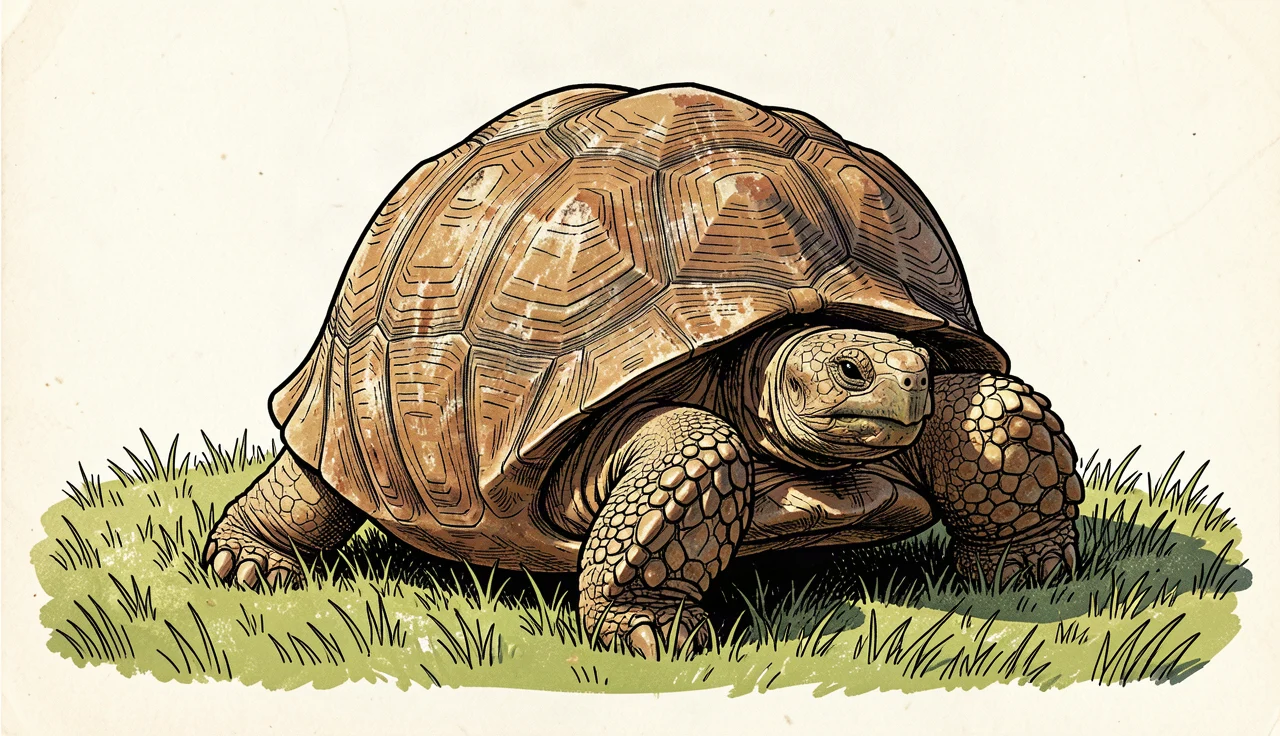
Jonathan the giant tortoise is estimated to be 194 years old, making him the oldest known living land animal on Earth. He hatched around 1832 in the Seychelles archipelago and was taken to the remote island of Saint Helena during the 1880s as a gift for the British colonial governor. Today, Jonathan still lives at the governor's residence, Plantation House. Though he has lost his eyesight, his hearing remains intact.
One report describes Jonathan as an Aldabra giant tortoise, while another classifies him as a Seychelles giant tortoise, which is a subspecies of the Aldabra. Members of these groups typically live between 100 and 150 years. Jonathan has far surpassed that threshold, prompting scientists to investigate what makes his biology so durable.
Getting Jonathan's genetic material took years of careful planning. Drawing blood from the elderly animal was judged too dangerous. Instead, caretakers coaxed the tortoise into opening his mouth so they could collect a cheek swab. After setbacks caused by poor early samples, government rules, and the Covid pandemic, the U.S. Space Force flew the swab from Saint Helena to Florida for testing.
The research was led by Stephen Clark, a neuro-oncologist and founder of the nonprofit Kallel Foundation. Clark and his colleagues published their findings in the journal Science Advances after sequencing Jonathan's genome, which is the complete blueprint of his DNA.
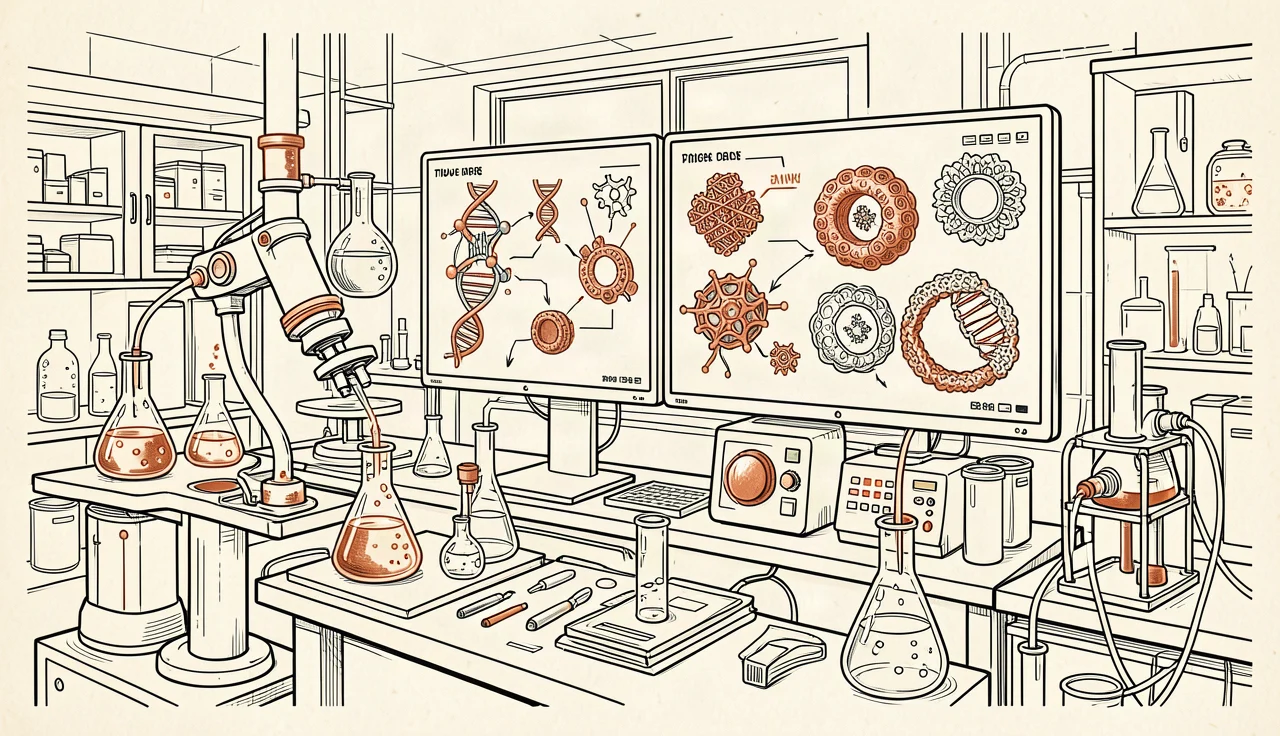
The analysis revealed that Jonathan carries uncommon gene variants tied to critical health defenses. These include mechanisms for repairing damaged DNA, protecting the protective caps on chromosomes known as telomeres, and managing autophagy, which is the system cells use to break down and recycle old parts.
Researchers also examined Jonathan's epigenome through a process called DNA methylation. DNA methylation is a layer of chemical tags added to genes that turns them on or off over time. Scientists compared Jonathan's chemical tags to those of several younger tortoises, including a 36-year-old named Tank, a 91-year-old, and a five-year-old.
The comparison yielded a surprising result. While most of Jonathan's epigenome showed changes consistent with two centuries of life, the tags regulating his mitochondria remained unusually fresh. Mitochondria are the tiny parts inside cells that produce energy. Jonathan's mitochondrial tags looked almost identical to those of the five-year-old tortoise, whereas the 91-year-old tortoise showed significantly more wear.
Clark hopes the discoveries made from Jonathan can eventually guide new treatments for people. By understanding how certain species keep their cellular energy systems young, researchers at Kallel Labs aim to identify medicines that protect human cells and lengthen human health.