

Scientists reverse over 60 years of cellular aging
Blood cells from an 80‑year‑old were reprogrammed into young‑looking neural stem cells, while another study shows cell cleanup varies by sex and cell type.
23 Oct 2026 0 reads Compiled with AI
#Bonn #Autophagy #Rejuvenation
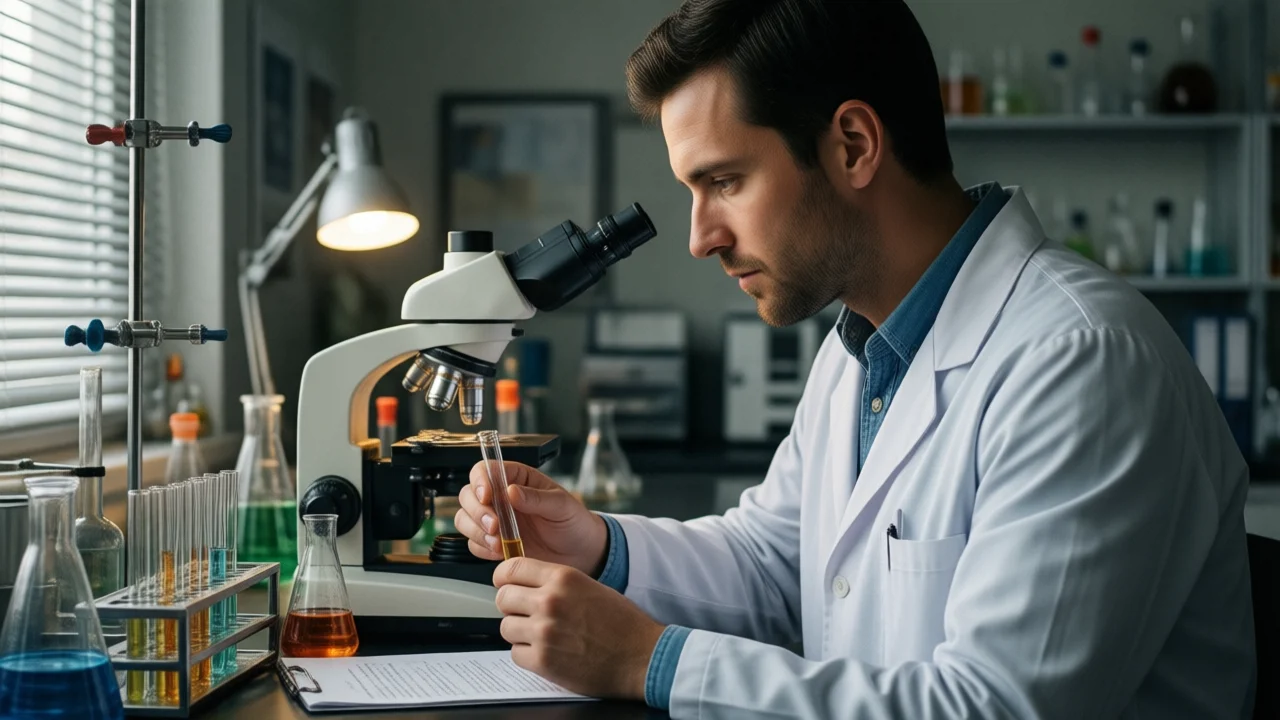
Scientists in Germany have turned blood cells from an 80‑year‑old into neural stem cells that act like cells from someone under 20, reversing more than 60 years of cellular age, a work published in Aging Cell by researchers at the University Hospital of Bonn and the University of Bonn.
Reprogramming reveals gradual rejuvenation
The researchers bypassed the usual pluripotent stem‑cell stage, moving directly from red‑blood‑cell precursors to neural stem cells. Over a 100‑day process they tracked epigenetic clocks—measures that follow chemical changes to DNA that accumulate with age—and saw the cellular age drop by roughly 60 years after 50 days.
Because the reset happened slowly, scientists could watch the changes unfold, a feature that may help identify the pathways that drive rejuvenation and test substances that might speed or slow it. The model could be useful for studying age‑related brain disorders such as Alzheimer’s disease.
In a separate study, researchers at Sanford Burnham Prebys, led by Caroline Kumsta and Tatiana Moreno, examined how autophagy—the cellular cleanup process—varies with age, sex, and cell type. They found that in skin cells from older men, autophagy activity fell with age, while in older women it stayed steady. In neurons derived from women, the cleanup activity actually increased as people aged.
The same study showed that higher autophagy in older adults could be linked to poorer physical function. In older participants, more active autophagy in blood cells was associated with worse aerobic fitness, in skin cells it correlated with higher body mass index, and in neurons it related to weaker grip strength, lower metabolism, and a higher resting heart rate.
A pilot exercise program for seniors aged 77‑88, involving gentle activity over 12 weeks, lowered blood‑cell autophagy levels toward those seen in younger people and improved physical performance. The researchers received a pilot grant from the Altman Clinical and Translational Research Institute at UC San Diego to study the effect of exercise on autophagy in larger groups.