
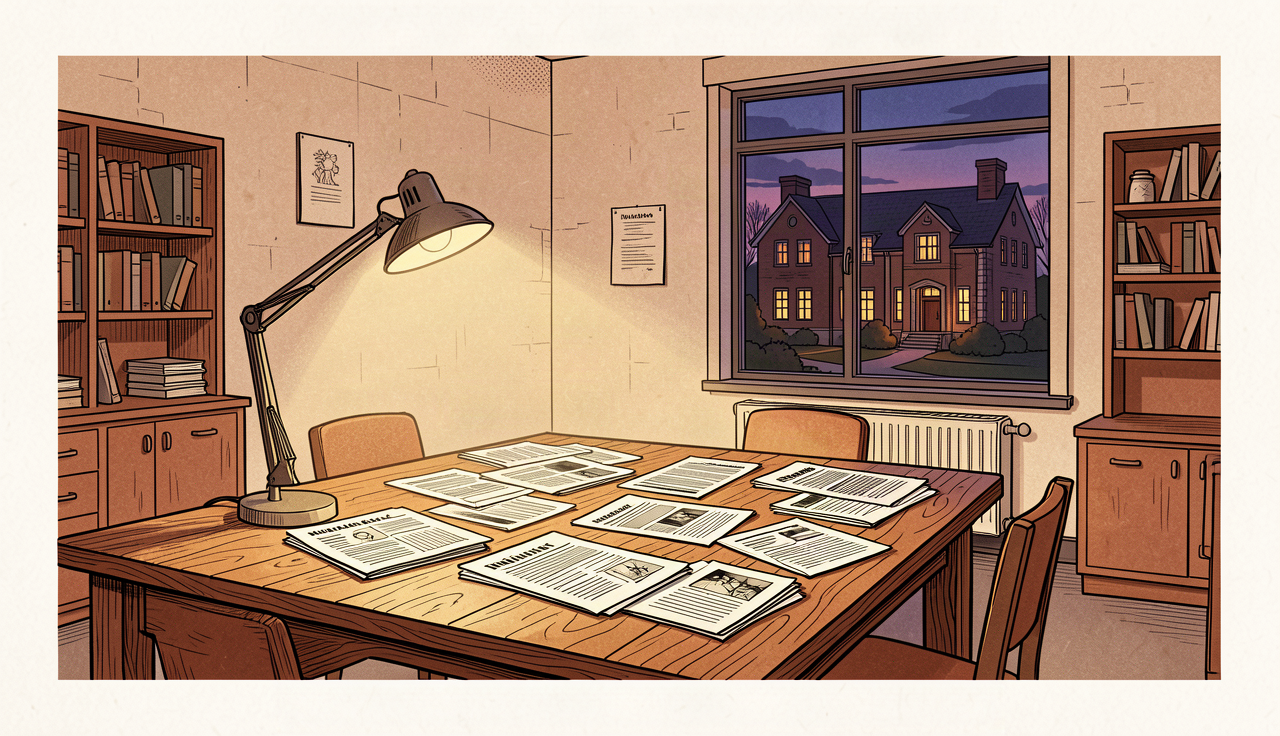
School bosses lean on advisers and police to curb student news coverage
Campus leaders across the country are quietly blocking young reporters while denying that their actions count as censorship.
6 Oct 2026
Young people running campus newspapers are facing quiet resistance from school managers when they write about touchy topics. Internal messages and emails show officials meeting with upset graduates and parents, then asking adult advisers to break basic reporting rules.
The clashes often flare up long after an article comes out. Rather than showing proof of clear reporting errors, unhappy administrators demand changes or simply lodge broad complaints against the student teams.
Advocates say school leaders often try to rein in young writers by targeting the staff members hired to guide them. Mike Hiestand, an attorney who helps campus newsrooms, said officials treat school employees as convenient targets because the adults depend on the district for their jobs.
That tactic surfaced in California, where high school writers posted about references to their county in public files tied to Jeffrey Epstein. A person threatened to sue, and the school principal told the adviser to erase the person's name without checking if the post contained mistakes.
The California teacher sought outside legal help, but the school system shifted her into a different job within the district soon after. She later resigned from that public school district and now works as an outside consultant helping other student publications.
A similar fight took place in Colorado over a high school opinion piece about Gaza. A teacher sent an angry email accusing the student author of writing hateful falsehoods, yet the sender explicitly refused to point out which parts were actually wrong.
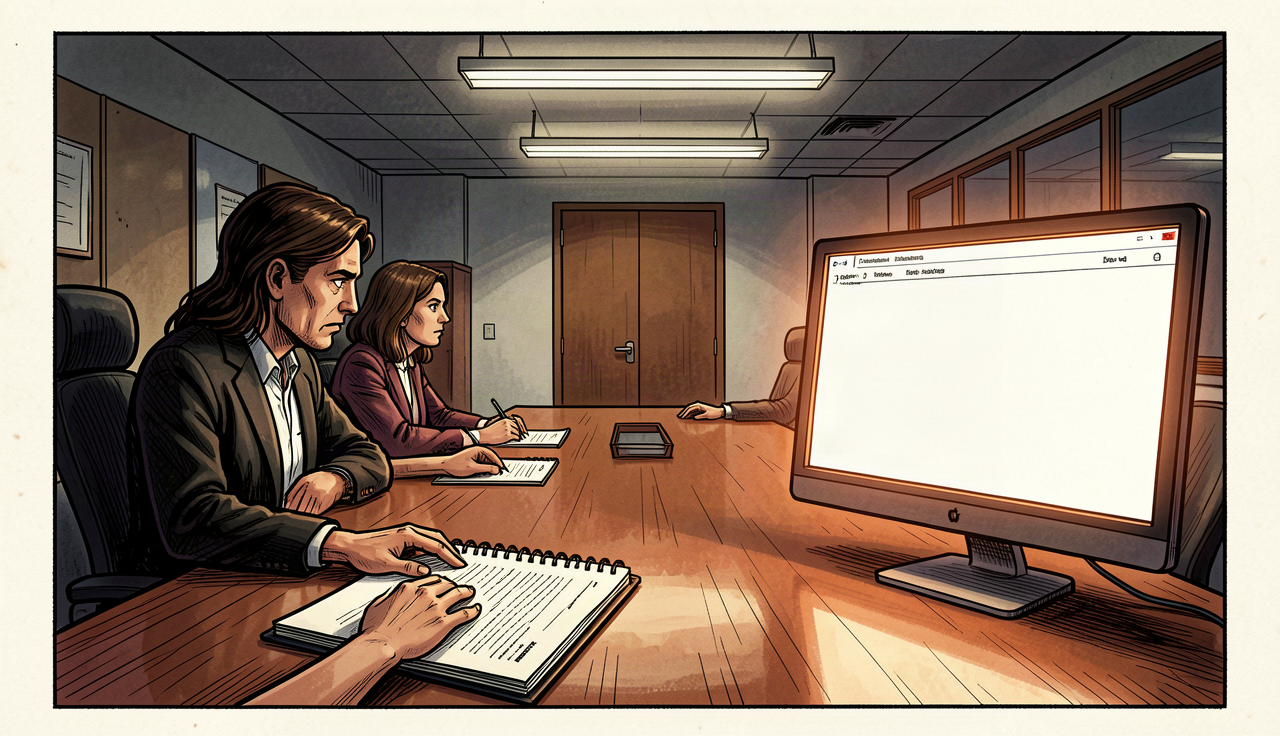
At Pensacola State College, money became the pressure point. An official tried to stop funding needed to print student portfolios because an assignment covered the LGBTQ+ community, though the college eventually backed down and permitted the money to go through.
Similar controls appeared in Maryland. A district chief issued a written message telling principals to look over and approve all student writing ahead of time under the banner of responsible mentoring.
At Southern Illinois University Edwardsville, tensions grew after public relations staff insisted on sitting in on interviews conducted by the student paper, The Alestle. When the paper kept reporting, the university's communications director emailed an open protest letter and a list of demands to more than 14,000 campus addresses.
That fight turned into a criminal inquiry. The editor, Dylan Hembrough, was reported to campus police for harassment after writing an email that defended news gathering, with the official telling officers she feared an unruly mob outside her door.
Police dropped the harassment complaint, noting that a firm email defending press freedom did not break any laws. The university did not provide answers when asked about the dispute.
Help requests reflect the growing pressure. In 2025, an advice hotline run by the Student Press Law Center answered almost 1,000 inquiries, and while total calls dropped, questions regarding administrative censorship climbed by 17 percent.