

Photo credits
Roman sarcophagus at Westminster Abbey reused in Middle Ages
A 4th‑century Roman sarcophagus found in Westminster Abbey was later reused to bury a medieval Benedictine monk.
21 Oct 2026 0 reads Compiled with AI
#Westminster Abbey #Benedictine #Valerius Amandinus #Aelfwig #Wulnoth #Roman sarcophagus
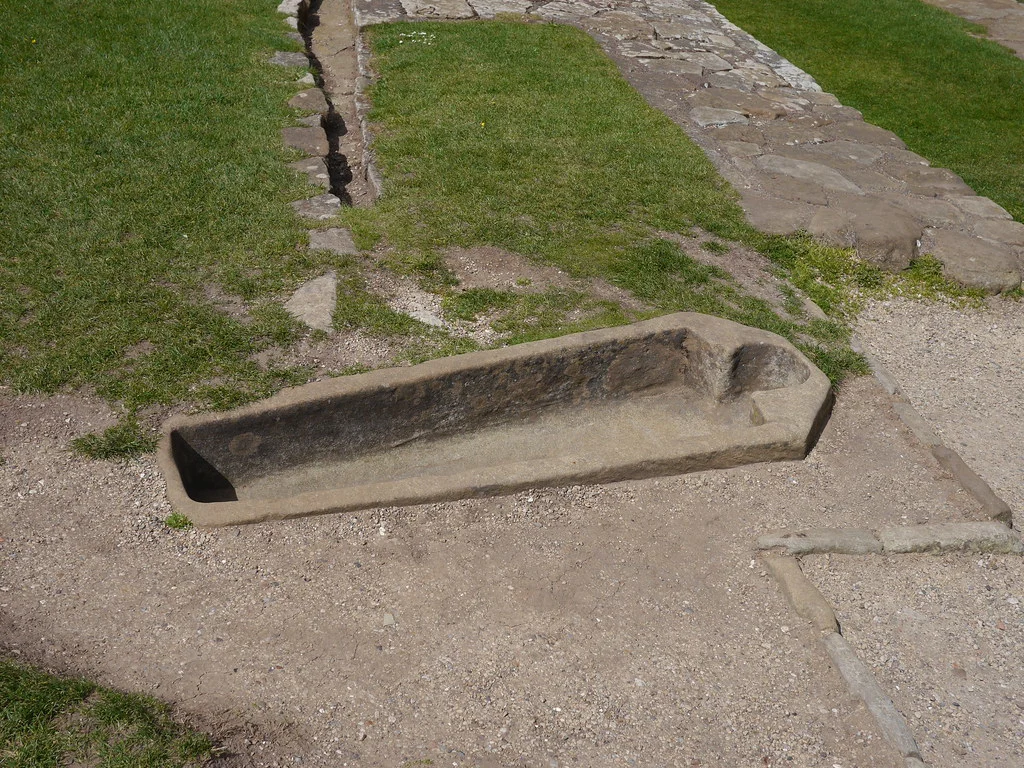
The limestone sarcophagus at Westminster Abbey was originally made in the Roman empire around the 4th century CE, as shown by an inscription to the local wealthy Valerius Amandinus. In the Middle Ages the lid was re‑carved to bear a medieval Latin cross, a detail that confused early observers. The coffin remained hidden beneath a 13th‑century Benedictine sacristy built by King Henry III until workers accidentally cracked it into six pieces in 1820, and it was not repaired until 1869.
Who Buried Inside?
Archaeologists now believe the sarcophagus housed a high‑ranking Benedictine monk, either Abbot Aelfwig, who died about 1020, or his successor Wulnoth, who died in 1049. Bone analysis shows the buried man was between 35 and 49 years old and about 5‑foot‑9‑inches tall, a profile that matches the two candidates. The monks are thought to have placed a wooden coffin inside the sarcophagus and sealed it with the re‑carved cross, preserving the original Roman form.
Henry III’s 13th‑century sacristy left the sarcophagus undisturbed for roughly six centuries, a period during which medieval burial customs often recycled earlier tombs. The 1820 break revealed the skeleton, and the 1869 repairs restored the lid, allowing modern scientists to apply stone‑work analysis and skeletal carbon dating to determine its origins. The findings illustrate how medieval monks repurposed earlier relics for their own commemorative purposes.
Reusing older sarcophagi was common in the Middle Ages and was not seen as disrespectful; instead, it was a way to honor the deceased by linking them to earlier, respected burial traditions. The Roman sarcophagus at Westminster Abbey, therefore, serves as a tangible reminder of the continuity between Roman and medieval funerary practices and the enduring reverence of the Benedictine community.