

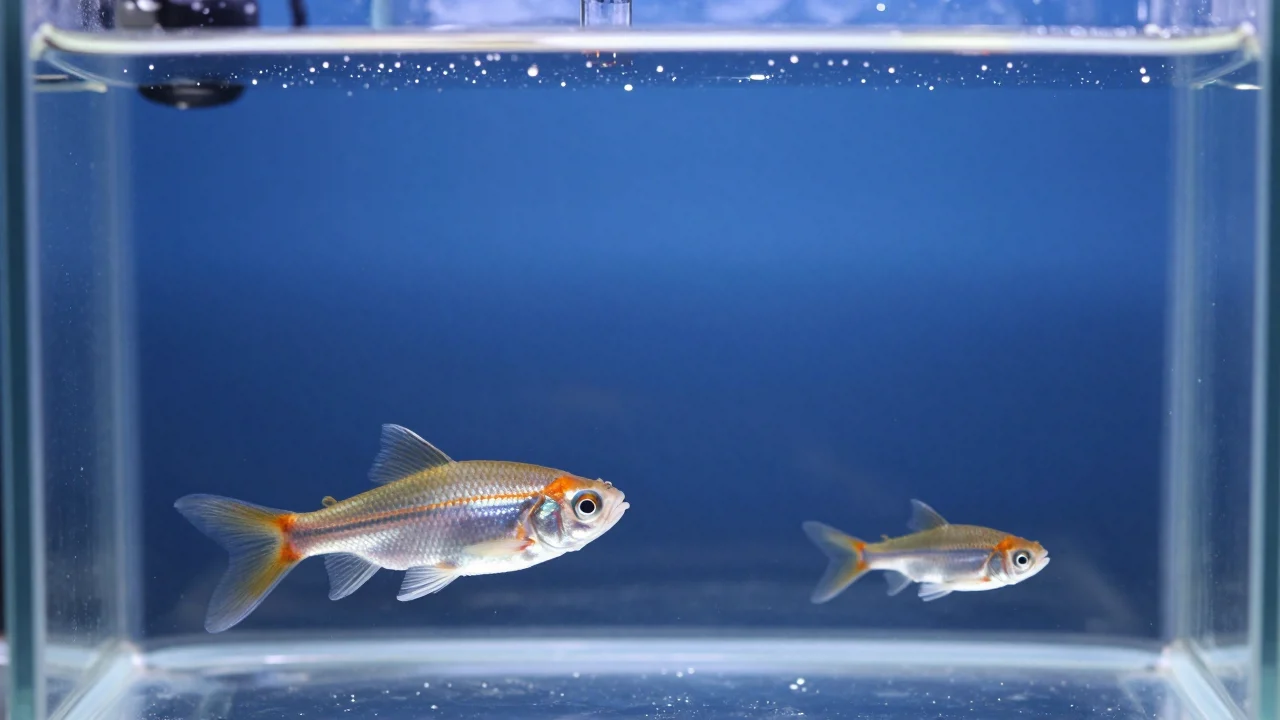
Psilocybin calms aggressive mangrove rivulus fish
Scientists found that a mushroom‑derived compound reduced the fighting behavior of a notoriously territorial fish species.
21 Oct 2026 0 reads Compiled with AI
#Kryptolebias marmoratus #psilocybin #mangrove rivulus
The mangrove rivulus (Kryptolebias marmoratus) is a tiny fish, just two centimetres long, that is famous for its aggressive territorial displays. When two of these fish are placed near each other they often launch sudden, powerful charges, even though they can survive outside water for weeks and are capable of self‑fertilization. Their uniform genetics and pronounced aggression make them a useful laboratory model for studying how drugs influence behaviour.
Experimental Design
In Canada, researchers tested 32 pairs of rivulus, dividing them into a psilocybin group and a control group of 16 fish each. Each fish faced a similarly sized rival in a tank separated by a mesh; they could see, smell, but not touch each other. The scientists recorded the fish for 15 minutes, noting aggressive swimming bursts and other social displays.
The fish that received psilocybin launched significantly fewer aggressive bursts toward their rivals and moved overall less. The drug did not reduce lower‑energy displays such as head‑on facing, which declined in both groups over time. The researchers could not fully determine whether the calming effect was due to reduced aggression or simply lower activity, but the results show that psilocybin can selectively dampen high‑energy, escalated behaviours.
These findings suggest that the serotonin system, which psilocybin targets, may modulate aggression in fish as well as in mammals. While the study was brief and involved only a single exposure, it opens a path for future work to investigate specific serotonin receptors and the duration of the effect. The experiment was published in Frontiers in Behavioral Neuroscience and highlights a curious way a psychedelic compound can alter the behaviour of a notoriously combative fish.