

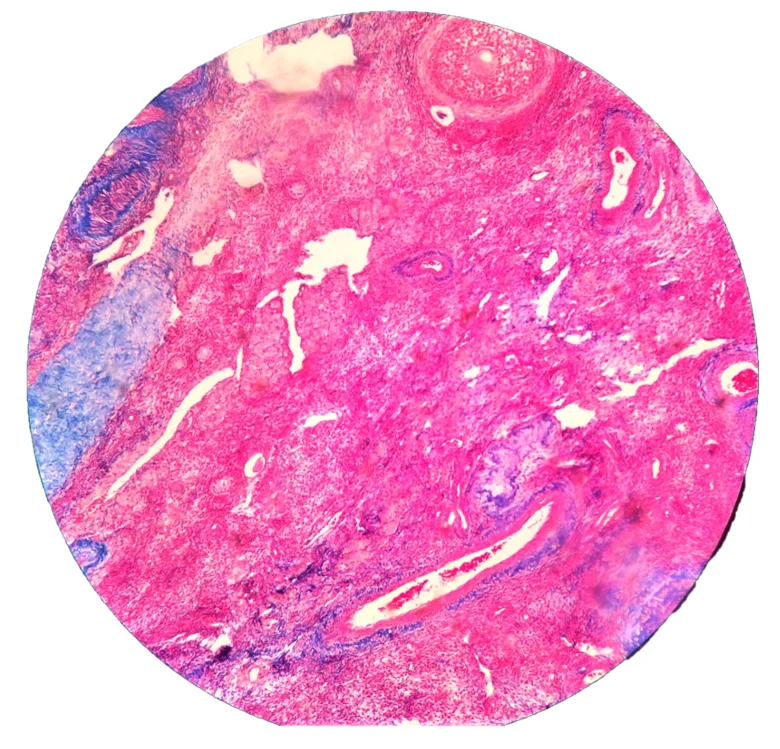
Postmenopausal ovaries keep changing and become inflamed
A study of 28 ovaries from women aged 50 to 75 shows the organs remain biologically active, with protein shifts toward inflammation that may raise cancer risk.
14 Oct 2026 0 reads Compiled with AI
#Northwestern University #Buck Institute for Research on Aging #Ovarian cancer #Menopause #Proteomics #Aging Cell
Researchers from Northwestern University and the Buck Institute for Research on Aging examined 28 ovarian samples taken from women aged 50 to 75, using mass‑spectrometry to quantify 5,812 protein groups.
The analysis revealed a progressive shift in protein expression: younger postmenopausal ovaries had higher levels of proteins that regulate RNA, DNA and tissue structure, while older ovaries showed increased proteins involved in lipid metabolism, innate immunity and inflammation.
These findings suggest that the ovary is not a dormant organ after menopause but continues to remodel, potentially influencing other systems such as the brain and bone.
The study also detected elevated levels of proteins previously associated with ovarian cancer, especially in ovaries from women in their 60s, indicating that the fibrotic and inflammatory environment that develops with age may make the ovary more hospitable to tumor cells.
Whether these age‑related changes are harmful or beneficial remains unclear, and the authors call for further research to determine if targeting the aging ovary could reduce cancer risk or provide new biomarkers.
With women living many decades beyond menopause, understanding the ongoing biological activity of the ovary offers a roadmap for future investigations into women’s health and disease prevention.