

Photo credits
Pesticide linked to more than 2.5 times Parkinson’s risk
Long‑term exposure to chlorpyrifos, a common farm chemical, was linked to a more than 2.5‑fold increase in Parkinson’s disease risk.
2 Nov 2026 0 reads Compiled with AI
A UCLA Health study compared 829 people with Parkinson’s disease and 824 without. By linking California pesticide records to participants’ home and work address histories, the researchers estimated how much chlorpyrifos each person may have encountered. People with long-term residential exposure had more than 2.5 times the risk of developing Parkinson’s compared with those who had no such exposure. The study could not show that the pesticide directly caused the disease.
How the chemical harms brain cells
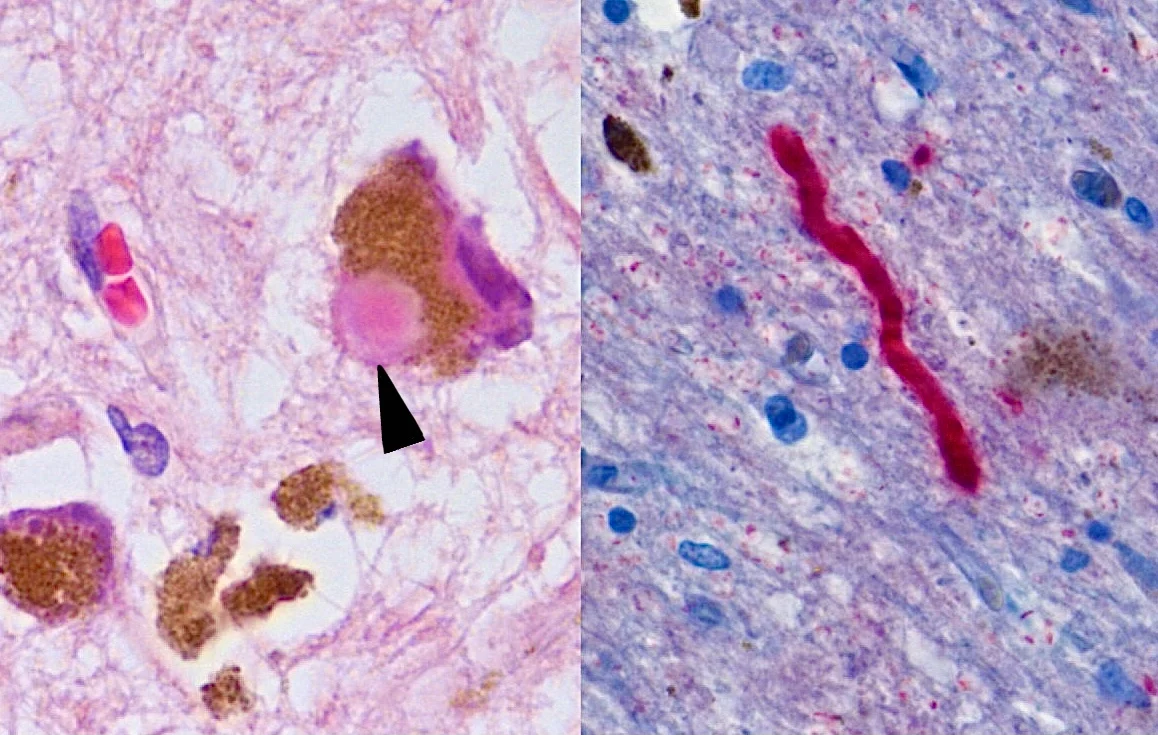
To test whether the chemical could cause the brain changes seen in Parkinson’s, the team exposed mice to chlorpyrifos as an aerosol for 11 weeks. The method was designed to resemble a common way people may encounter pesticides. The mice developed movement difficulties and lost dopamine‑producing neurons, a central feature of Parkinson’s. Their brains also showed inflammation and abnormal clumps of a protein called alpha‑synuclein, which is closely associated with the disease.
The researchers then used zebrafish to study the cellular damage. They found that chlorpyrifos disrupted autophagy, the cell’s cleanup system that removes damaged proteins. When the team restored that process or removed alpha‑synuclein, the neurons were protected from damage. The finding suggests that strengthening the cleanup system could potentially shield brain cells from pesticide‑related harm.
The study, published in Molecular Neurodegeneration, suggests that chlorpyrifos is a specific environmental risk factor for Parkinson’s, not just pesticides as a group. Dr. Jeff Bronstein, the study’s senior author, said, “This study establishes chlorpyrifos as a specific environmental risk factor for Parkinson’s disease, not just pesticides as a general class.” He added that the findings point toward potential therapeutic strategies to protect vulnerable brain cells. Chlorpyrifos was banned for residential use in the United States in 2001, and agricultural uses faced further restrictions in 2021. Many people were exposed before those limits, and the chemical is still used on crops in the country and elsewhere.
Parkinson’s disease affects nearly one million Americans. It gradually damages the brain cells that control movement, causing tremors, stiffness, slowed movement and coordination problems. Identifying a specific chemical linked to the disease may help researchers develop prevention strategies and find out whether people with past pesticide exposure could benefit from closer neurological monitoring.