

Photo credits
Orionid meteor shower peaks on Oct 21‑22
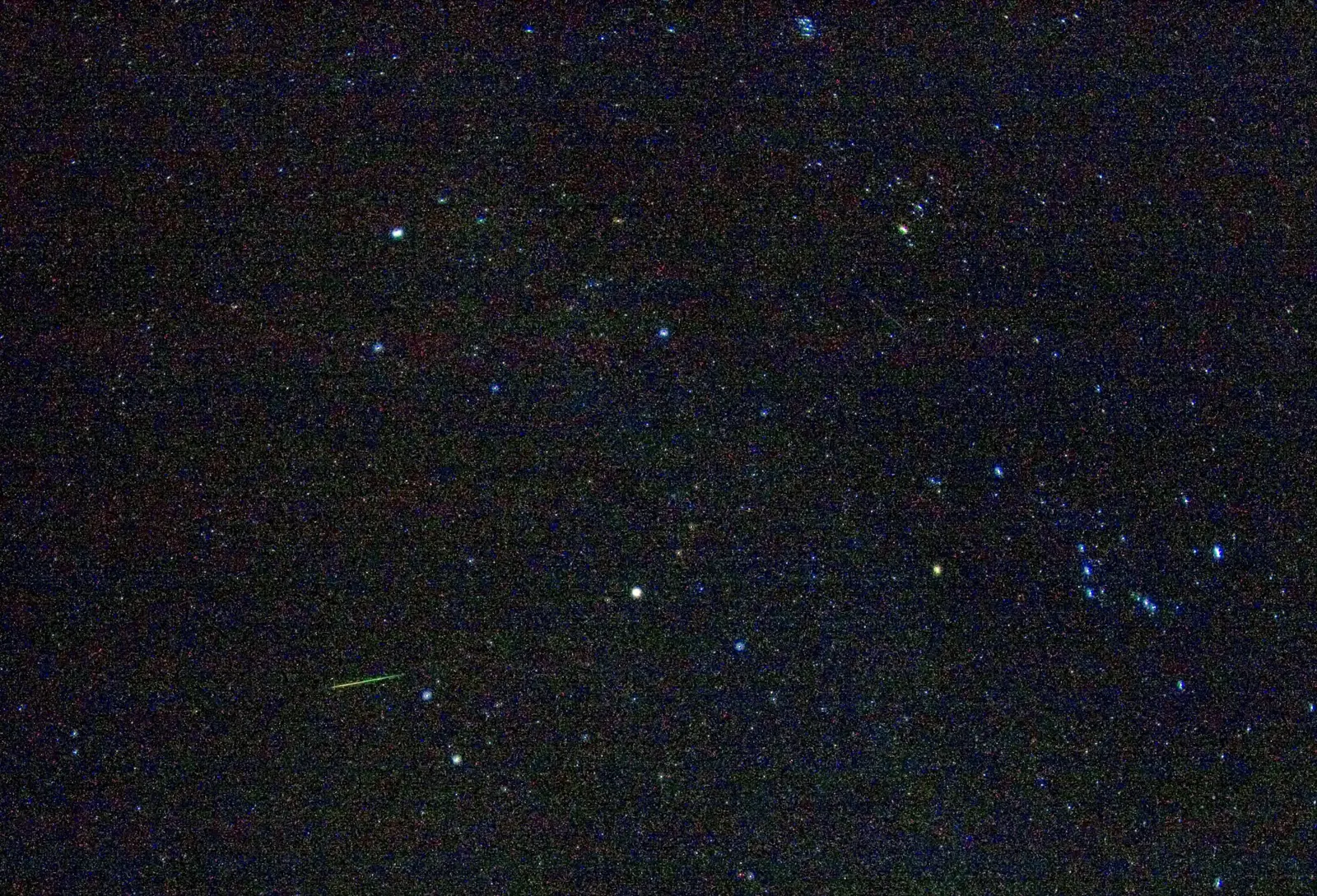
The Orionid meteor shower, fed by dust from Halley’s Comet, will peak on the night of October 21‑22, 2026, offering up to 20 meteors per hour for observers who look before dawn.
21 Oct 2026 0 reads Compiled with AI
The Orionid meteor shower will reach its maximum on the night of October 21‑22, 2026. Astronomers predict the peak at 18 UTC on October 21, and the event lasts from September 26 to November 22. The shower is fed by dust left behind by Halley’s Comet, one of the most famous comets in the sky.
Peak conditions
Observers can expect the best viewing conditions in the hours before dawn, when the bright waxing gibbous moon will have set. During that window, a dark sky can reveal 10 to 20 Orionids per hour, and some meteors may flash bright fireballs. The Moon will be 70‑80 % illuminated during the first half of the night, so the early dawn hours provide the clearest view.
The meteors come from particles shed by Halley’s Comet on its inbound leg. These dust grains enter Earth’s atmosphere at about 66 km s⁻¹, creating sharp, often white streaks that sometimes leave a short glowing train. The radiant point of the shower lies in the constellation Orion, near the bright star Betelgeuse. The high relative speed results from the comet’s retrograde orbit, opposite to the planets’ rotation.
Typical activity for the Orionids is 10–20 meteors per hour under ideal dark‑sky conditions, but some years have seen higher rates. Universe Magazine reports more than 20 meteors per hour at peak, while other reports note that exceptionally high rates have reached 70 meteors per hour in past rare years. Bright fireballs and trains are common, adding a dramatic flare to the display.
To enjoy the event, choose a wide‑open, dark site and set up a telescope or binoculars. Look for meteors drifting from the Orion radiant and keep an eye out for bright fireballs or persistent trains. Early‑morning skies, just after moonset, offer the best chance to see the most meteors.
EarthSky , Live Science , The Guardian Science , Universe Magazine