
OpenAI starts tagging machine-written text for European Union users
Hidden patterns in sentences will help software recognise machine output without changing the meaning for readers.
6 Oct 2026
Fresh European Union standards now demand that tech builders label computer-made material so other machines can recognise it. Those transparency provisions became active on August 2.
OpenAI announced on Monday that it has started fulfilling these mandates. It is placing a hidden marker inside writing produced by ChatGPT and Codex.
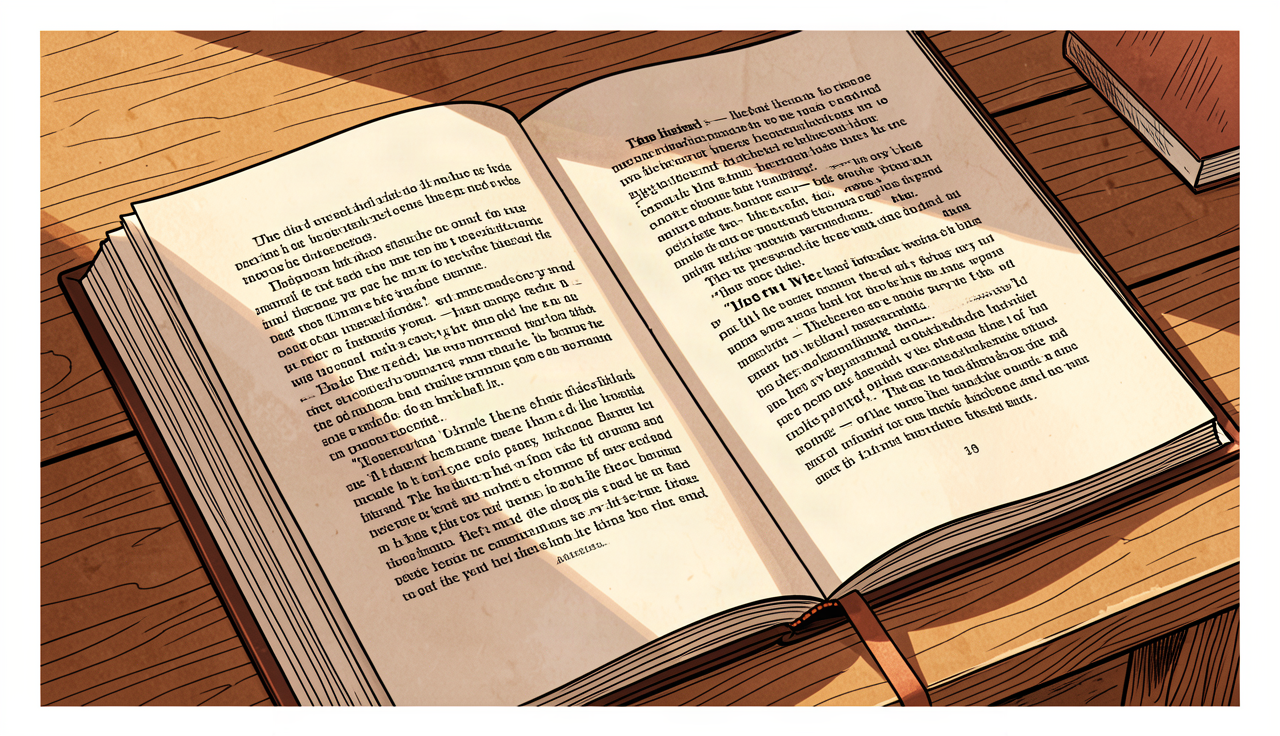
The marker is not a stamp or visible sign. Instead, the model selects specific phrasing that creates an invisible structure across sentences.
Because the pattern rests directly within the wording, the tracking stays present even after people copy and paste the material elsewhere.
A computer scanner equipped with a private key can discover this hidden structure by reading through the sequence of vocabulary picks. OpenAI worked with scholars from Yale and the University of Pennsylvania to document the technique, dubbed textGrain.
OpenAI reported that using this method causes no noticeable drop in how well its tools answer prompts. It also stated that the markings do not pinpoint the specific person who ran the prompt.
Only people in the European Union on supported plans will receive this feature automatically over the next few weeks. The firm is not turning it on by default for the rest of the globe.
Software engineers using OpenAI tools through external links anywhere in the world can choose to switch on the markers for certain setups, though it begins in an inactive state.
The protection is not foolproof. Swapping out a tenth of the words with alternative terms lowered the chance of catching the machine writing from roughly 92 percent to 66 percent.
Detecting the marker is also trickier when dealing with translated passages, mathematical solutions, or very brief snippets of writing.
Because of these blind spots, OpenAI warned that an unmarked passage is not definite proof of a human author. The writing could simply be short, heavily revised, or built by a different firm's software.
At first, the company will grant detector tools strictly to cleared scholars and specialist groups so they can check how dependable the system is.
Earlier in the year, rival group Anthropic chose to introduce text labels across the entire globe for its Claude assistant. That decision caused complaints from clients who felt the writing remained their own work because they provided the guidance.
OpenAI previously designed a marking method but delayed putting it into service. A 2024 news report noted the company feared customers might flee to rival platforms that did not track output.
Major digital firms such as Microsoft, Meta, Google, Anthropic, and OpenAI have now agreed to honour European Union voluntary guidelines covering machine-made text.