

OpenAI adds interactive visual controls to ChatGPT with its GPT-6 update
The new Intelligent UI feature replaces walls of text with clickable diagrams, custom calculators, and dynamic forms.
8 Oct 2026
OpenAI has started updating ChatGPT with its new GPT-6 model family. The release introduces a feature called Intelligent UI, which changes how the chatbot answers questions by moving away from long blocks of plain text.
Instead of returning only typed paragraphs, the assistant can now build interactive elements directly inside the conversation. Replies can include graphics, tappable buttons, charts, checklist forms, and working mini-tools.
In company demonstrations, the system showed off several practical uses. A prompt about assembling a seven-speed bicycle produced a diagram with buttons that opened details on individual parts, while a physics question generated illustrations of how airplane wings create lift.
Another demonstration showed a dinner planner for a roast meal. The response included dish pictures alongside an interactive ingredient list that recalculated quantities whenever the user changed the number of expected guests.
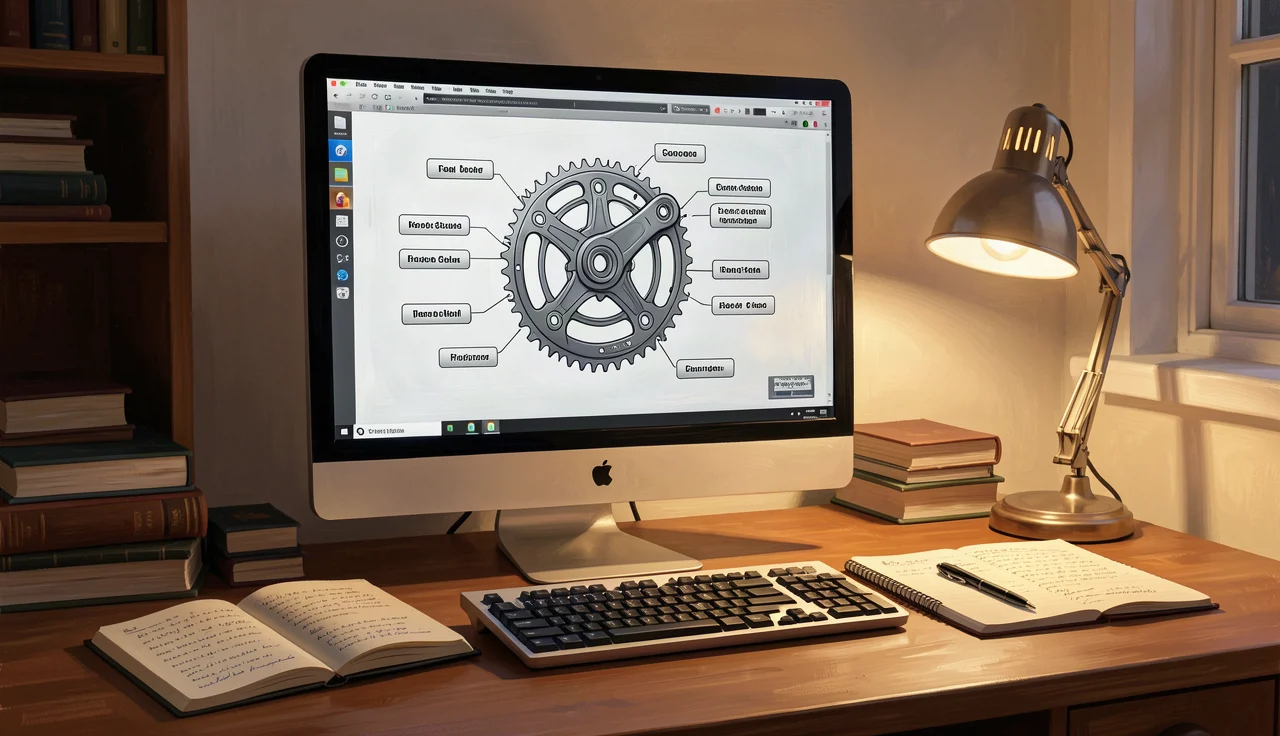
The software draws these elements from a library of design components taught to the model during training. ChatGPT decides whether a prompt benefits from graphics, though users can ask for plain text or request custom interfaces like bill splitters, savings calculators, and simple retro games.
To cut down on waiting time, the system can send partial answers and build elements across several messages while it processes difficult tasks. Subscribers to paid plans receive a version called GPT-6 Sol, while free and lower-cost Go accounts receive a lighter version called GPT-6 Luna.
Paid subscribers received access immediately, though enterprise accounts must wait for workplace administrators to turn on the feature. Outlets differed on the schedule for unpaid accounts, with one report stating free users gained access the same day and others reporting the rollout would arrive on Thursday.
The visual approach resembles the Generative Interface feature that Google added to Gemini last year. While the update aims to make learning complex ideas simpler, observers note that generating visual widgets could use up computing allowances faster and may present new risks of factual mistakes.
Engadget , SiliconANGLE , Gizmodo , Hacker News , TechCrunch