

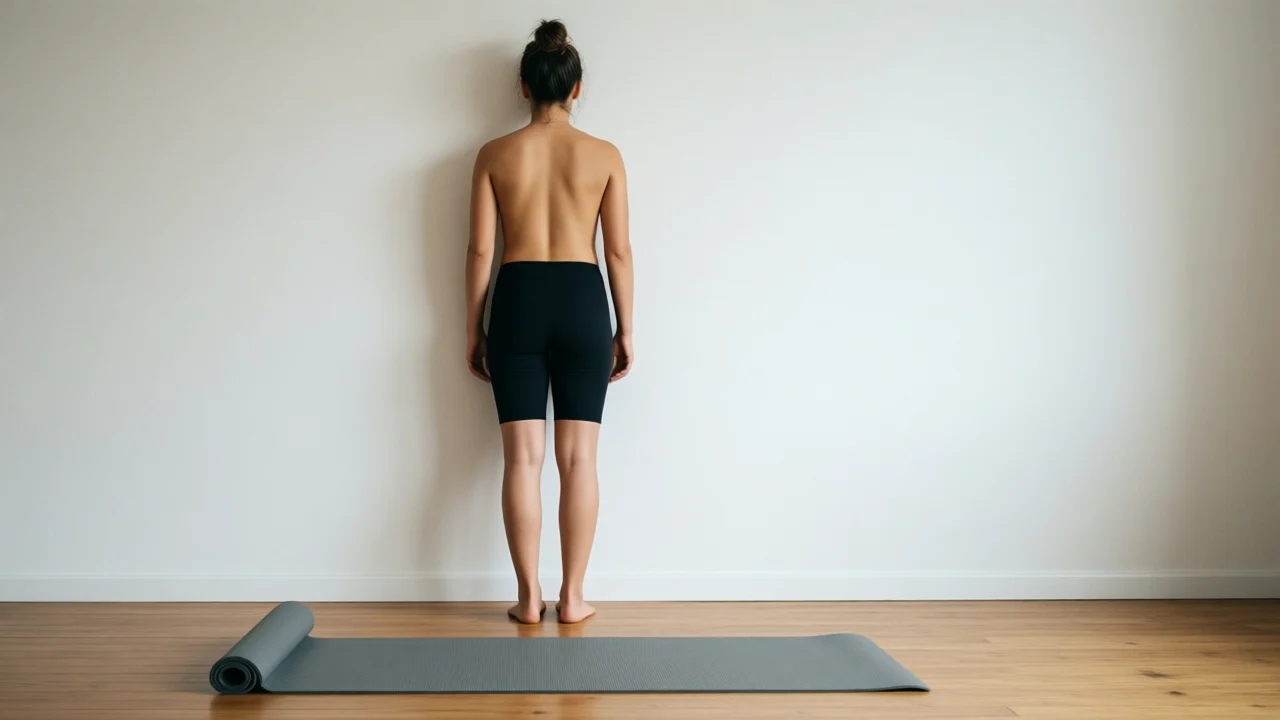
Once‑a‑week wall squats may lower systolic blood pressure
Stopping exercise let the gains slip, and diastolic pressure did not hold on lighter schedules.
28 Oct 2026 0 reads Compiled with AI
A trial of 100 adults with normal to high-normal blood pressure found that a four-week wall-squat program, four two-minute holds a session three times a week, brought significant drops in systolic and diastolic pressure. Afterward, participants were split into maintenance groups that trained three, two, one or zero times a week, and their blood pressure was measured again at eight weeks.
Frequency matters for sustaining reductions
Groups that trained once or twice a week kept systolic and mean arterial pressure significantly lower than the control group. Diastolic pressure, however, no longer differed significantly from the control group.
Participants who stopped exercising saw their blood pressure return to baseline within the next four weeks. The researchers said regular isometric exercise may be important for keeping the benefits.
The maintenance phase lasted only four weeks, so the researchers said longer studies are needed to see whether less frequent training can sustain the reductions over months or years.
Cardiologist Dr. Aseem Malhotra, who was not involved in the study, said even a little exercise once a week could likely have demonstrable cardiovascular benefits. He added that wall squats cost nothing and can be done at home.