
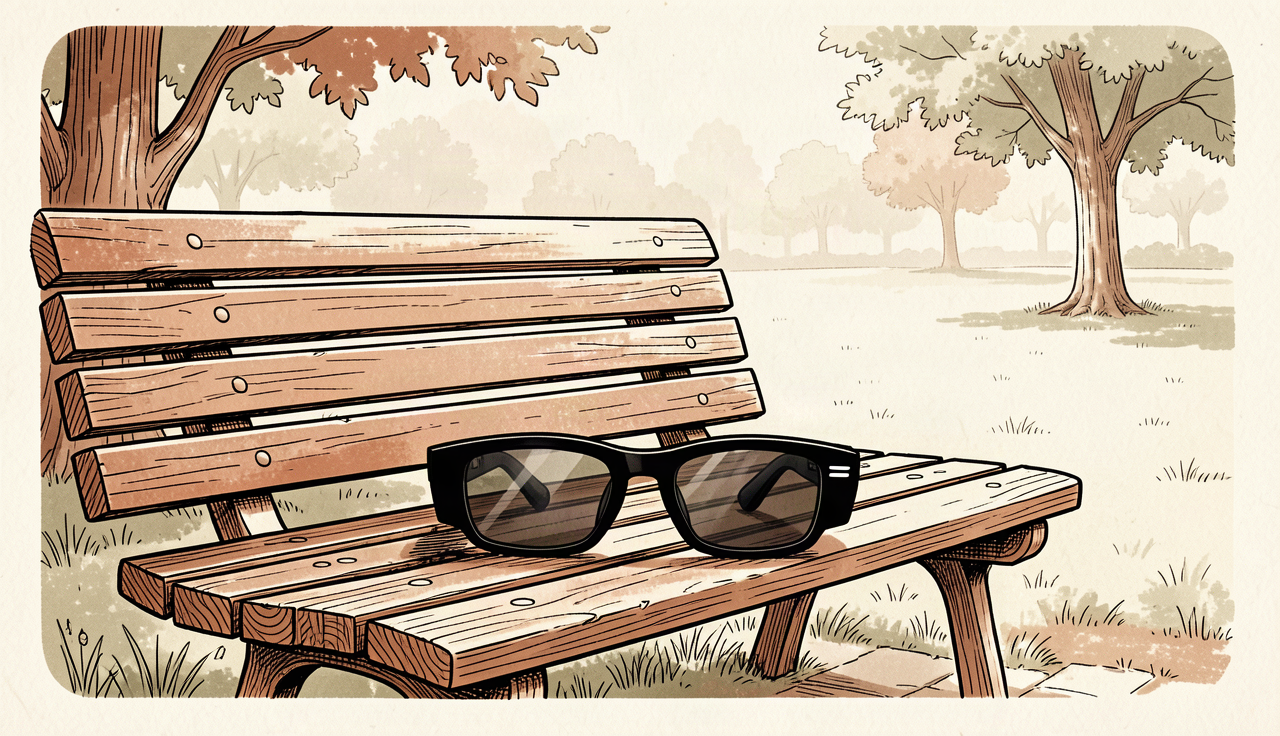
Norway wants a temporary ban on smart glasses in certain public areas
The country plans to block the devices in parks and schools while working on permanent rules.
5 Oct 2026
Norway plans to limit the use of glasses equipped with artificial intelligence. The center-left government said it will soon send a draft law to parliament. The measure would create a temporary ban in specific public places.
The proposed limits would apply to spots like parks, beaches, schools, and kindergartens. Ministers say the pause will give them time to study the devices. An expert panel will help design long-term national rules.
Torgeir Micaelsen, the digitalization minister, said he worries about tools that photograph or record people without their knowledge. He said people should feel safe from secret filming in places where they expect privacy, or they might begin to withdraw from public life.
The government made clear that it does not want to outlaw the glasses entirely. Officials said people could still use the technology in settings where there is no chance of recording someone without their agreement.
Some groups in Norway have already taken their own steps. Schools in the capital city of Oslo have prohibited the glasses. Equinor, a large oil and gas firm, has barred them from its offices and sea platforms.
Other countries are also deciding how to handle these wearable items. Australia is thinking about its own limits in public spaces. Courts in several nations have also stopped people from wearing them inside courtrooms.
American tech firms like Meta, Google, and OpenAI think wearable tools could one day take the place of mobile phones. They expect people will prefer speaking to an assistant that listens to daily events instead of typing into software on a screen.
Analysts at Counterpoint Research expect shoppers to spend over one trillion dollars on wearable gadgets between 2026 and 2032.
At the same time, activists and officials worry about cameras filming women and children in places like changing rooms. Some critics have labeled the gadgets pervert technology because they can record secretly.