

Photo credits
NASA reportedly ends work for its Swift space telescope
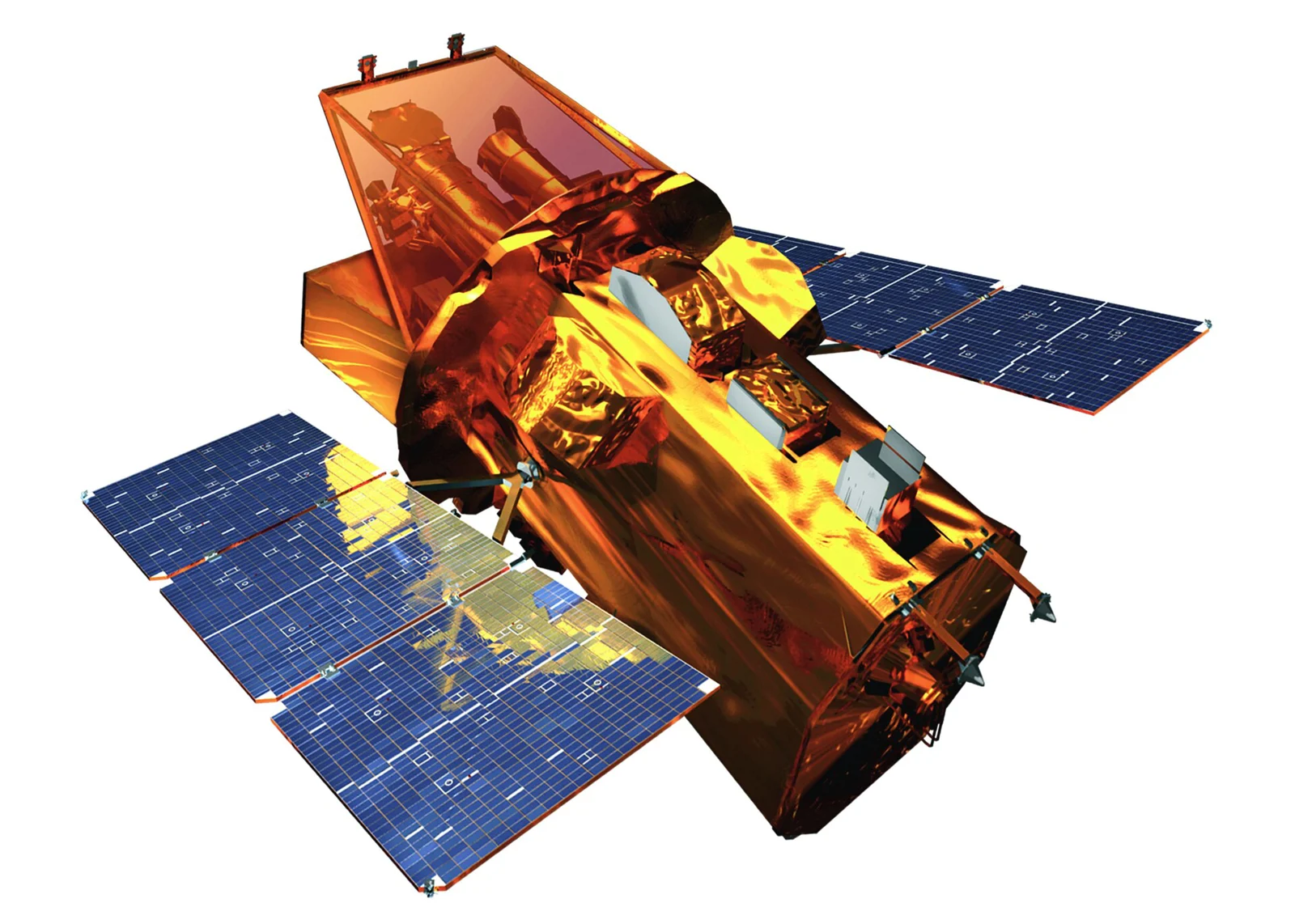
NASA's Neil Gehrels Swift Observatory has finished its science mission as its orbit drops below 171 miles, ending over two decades of rapid-response astronomy, according to NASA.
25 Oct 2026 0 reads Compiled with AI
The Neil Gehrels Swift Observatory has finished its science work because its orbit has sunk below 171 miles (275 km). At that height, stronger drag from the air keeps its telescopes from holding steady on their targets. Swift made its last observation on Oct. 20. The satellite is expected to re-enter the atmosphere within the next few weeks.
Rapid-response capability
Swift was built to react fast to gamma-ray bursts, the most powerful explosions in the cosmos. It could find a burst and start imaging it in about a minute, before the afterglow faded. The observatory could also schedule up to 75 independent targets a day, which let astronomers follow events as they changed. Its speed also helped it catch the first afterglow of a short gamma-ray burst. Those observations supported the idea that these bursts likely come from mergers of neutron stars.
During its 22-year career, Swift observed more than 2,000 gamma-ray bursts and 1,400 supernova explosions. It also saw stars shredded by black holes, monitored active galaxies, and carried out an all-sky X-ray survey. Its data has contributed to about 7,000 scientific papers. The archive holds more than 1.5 million images from its Ultraviolet/Optical Telescope, plus nearly 22 years of brightness measurements of cosmic outbursts.
The archived data total about 12 terabytes, roughly the storage of 600 high-definition movies. NASA will keep the archive open to the public. It is also looking for new ways to respond quickly to cosmic events, using existing telescopes while new missions are planned. Shawn Domagal-Goldman, director of NASA's Astrophysics Division, said the archive will fuel new discoveries for decades more.