


Photo credits
NASA Releases Artemis II Data Including Rare Impact Flash Observations
The agency made over 800 gigabytes of mission records available for study.
11 Oct 2026
#NASA #Artemis II #Moon #Planetary Data System #Orion #Apollo
NASA uploaded more than 800 gigabytes of scientific information from the Artemis II mission. This data is now on the Planetary Data System, which serves as the public archive for planetary missions. The release includes content previously unreleased by the agency.
The collection includes over 11,000 full-resolution images and video captured by handheld cameras. It also contains 8.5 hours of audio recordings of crew observations on the lunar surface. Crew-annotated images are part of this shared scientific record.
A new web page asks what four astronauts noticed while traveling around the Moon. Crew members documented sightings of five extremely faint pinprick bursts of light from 46,000 miles away. They created a unique scientific record through photographs and spoken observations.
Scientists confirmed these flashes were caused by rocky fragments hitting the lunar surface. They ruled out cosmic rays or spacecraft reflections as sources for the lights. Apollo astronauts saw similar flashes from orbit during earlier missions.
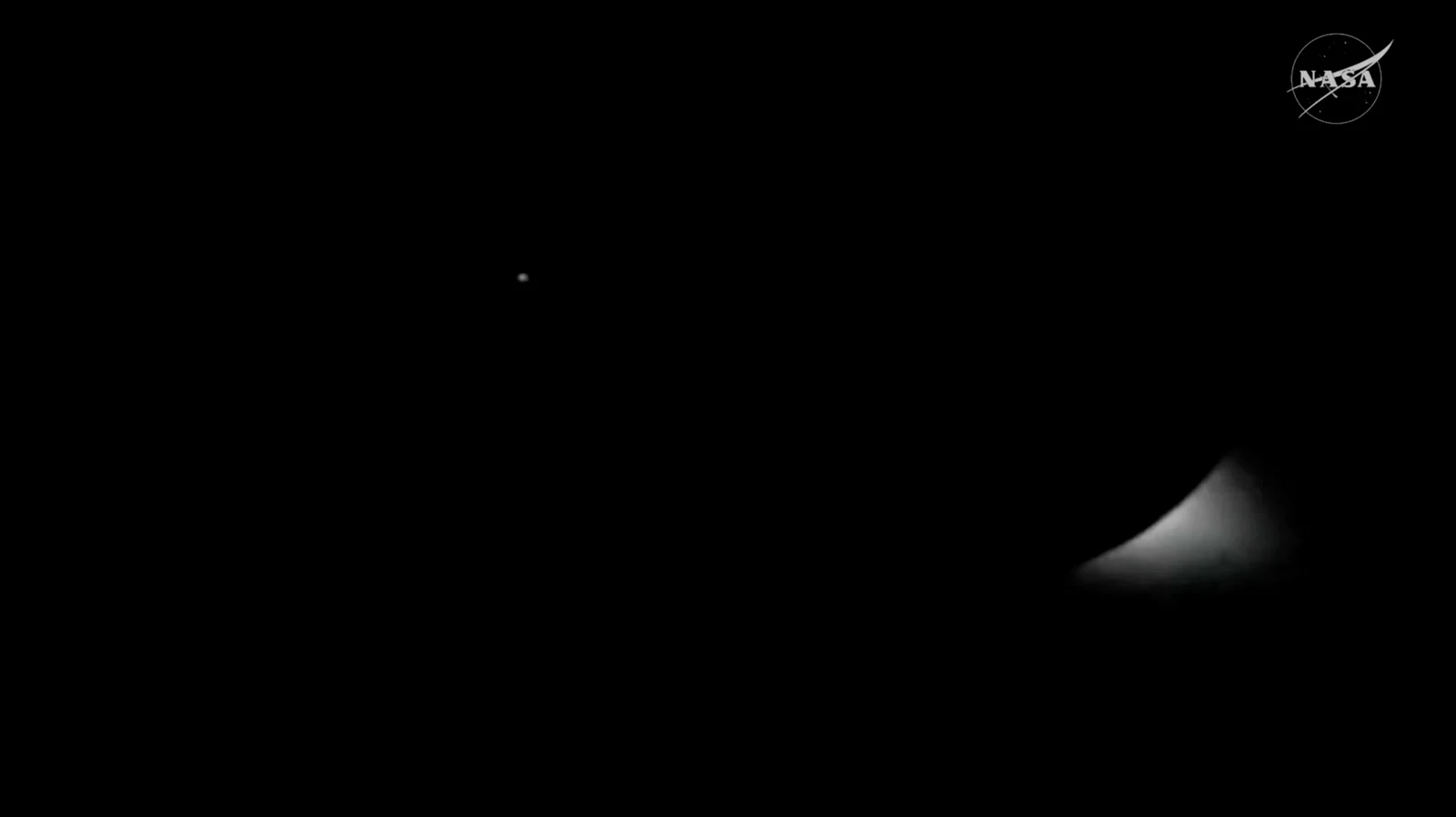
Photo credits
The sightings happened during a planned loss of communications while the crew was on the far side of the Moon. A nearly hour-long total solar eclipse created ideal dark conditions for spotting such subtle bursts. With no atmosphere to slow incoming debris, projectiles slam freely into the surface.
From the brightness of the flashes, scientists estimated that incoming rocks were each no more than a couple of inches wide. Despite their size, they traveled thousands of miles per hour while producing visible light upon impact. This dataset will help researchers understand how often small impacts occur to assess risks for future lunar habitats.
The crew reported seeing subtle hues of gray, black, brown, tan, white, green, and blue across the surface. This muted rainbow offers clues to the rocks and minerals that make up different regions of the Moon. Scientists can use these observations to piece together how the Moon and Earth evolved over time.
Mission Control called the news amazing when they heard about the flashes. One operator was jumping up and down in the Science Evaluation Room after listening. Along with the data files, NASA released several documents for scientific use including preliminary science reports.