

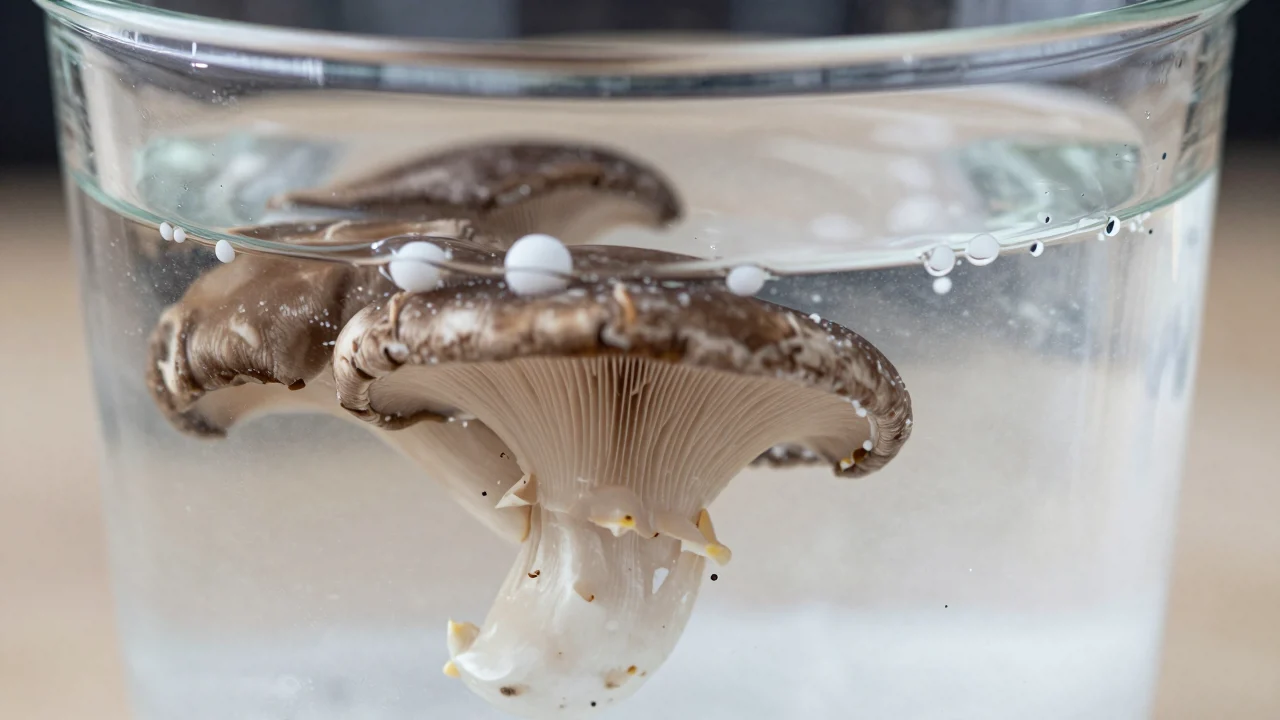
Mushroom peptides boost saltiness by 70%
Researchers found tiny peptides from the beech mushroom that can increase the perceived saltiness of a solution by up to 70%, offering a potential way to cut sodium without sacrificing flavor.
21 Oct 2026 0 reads Compiled with AI
#Hypsizygus marmoreus #salt #peptides #TMC4 #world health organization #NPJ Science of Food
Salt is essential for human physiology, but most adults consume more than twice the World Health Organization’s recommended limit of 5 grams per day. Excess sodium raises blood pressure and increases the risk of heart disease and stroke. The high intake of salt is a widespread public‑health problem, especially in processed foods. Scientists have long sought ways to keep foods tasty while lowering sodium content.
Peptides boost perceived saltiness
Researchers in China turned to the beech mushroom, Hypsizygus marmoreus, which is prized for its savory flavor. They treated mushroom proteins with enzymes, especially trypsin, to break them into short peptides. Using AI and other screening tools, they sifted through 6,092 peptide sequences to find those most likely to intensify saltiness. Five promising candidates were selected for synthesis and testing.
In sensory trials, three peptides stood out. The peptide ASHGEGF increased perceived saltiness by 70.59% compared with a plain salt solution, while LDDGF and GDDWT increased it by 49.02% and 47.06% respectively. A trained panel of 14 tasters reported that the saltiness lasted 105 seconds with ASHGEGF, longer than the 75 seconds for plain saltwater. An electronic tongue also registered stronger signals in the peptide‑containing solutions. Computer models suggest the peptides may bind to TMC4, a protein involved in salt taste, but this interaction has not yet been observed in human cells.
The results were obtained in simple salt solutions, not in real foods like soup, bread or chips, so it is unclear how much sodium could be reduced while maintaining flavor. The safety of these peptides as food additives has also not been established. Other salt‑reduction strategies, such as potassium‑enriched salt substitutes, already reduce stroke risk but are unsuitable for people with kidney problems. If future studies confirm that mushroom peptides can safely amplify saltiness in complex foods, they could offer a new way to lower sodium intake without sacrificing taste.