
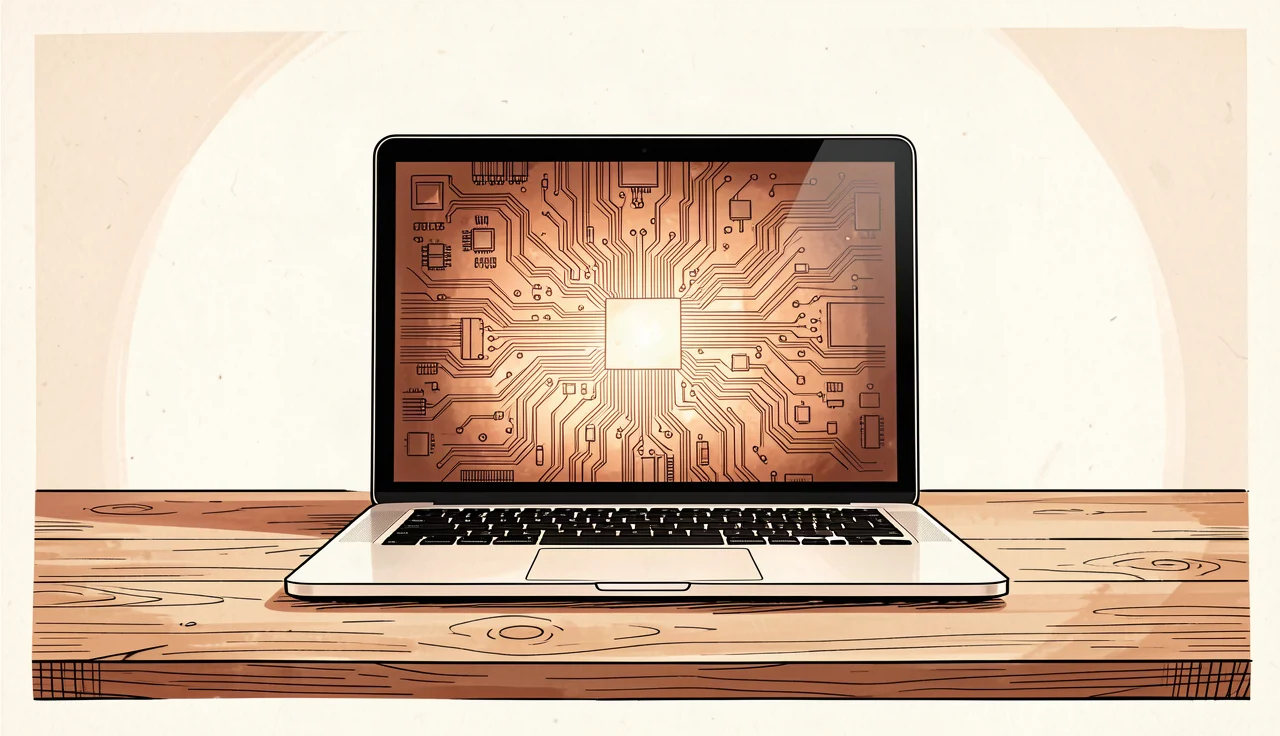
Microsoft and Nvidia Introduce Powerful AI Computers That Run Models Locally
The new Windows laptops and workstations aim to process complex artificial intelligence tasks directly on the device rather than in the cloud.
8 Oct 2026
Microsoft and Nvidia have introduced a new series of premium personal computers designed to run large artificial intelligence systems directly on local hardware. By moving calculations from remote data centers to the machine on a desk, the companies aim to reduce cloud subscription costs and keep sensitive personal data stored on the computer.
The central consumer release is the Surface Laptop Ultra, which starts at roughly $2,600 and begins shipping on October 16. It runs on Nvidia's RTX Spark processor, a setup that combines graphics silicon with a central processing unit based on Arm design architecture. The computer can support up to 128 gigabytes of memory, giving it enough capacity to juggle complex software models.
Buyers will be able to choose between an 18-core entry model and a 20-core version that starts at $3,700 and reaches $5,900 for the highest memory configuration. Microsoft also presented a desktop workstation named the Surface RTX Spark Dev Box, priced at roughly $6,000 and planned for release in November. Other computer manufacturers, including Dell, HP, Lenovo, Asus, and MSI, are releasing their own machines based on the same Nvidia chip.
The laptop weighs slightly under 4.5 pounds and includes an internal cooling system built around dual fans and side exhaust vents. It features an advanced high-brightness screen, a trackpad that vibrates lightly to provide physical feedback, and a charging cord that snaps into a standard USB-C port with a magnet. Accounts differed slightly on display sizing, with most descriptions noting a 15-inch screen while another compared the body to 16-inch laptops.
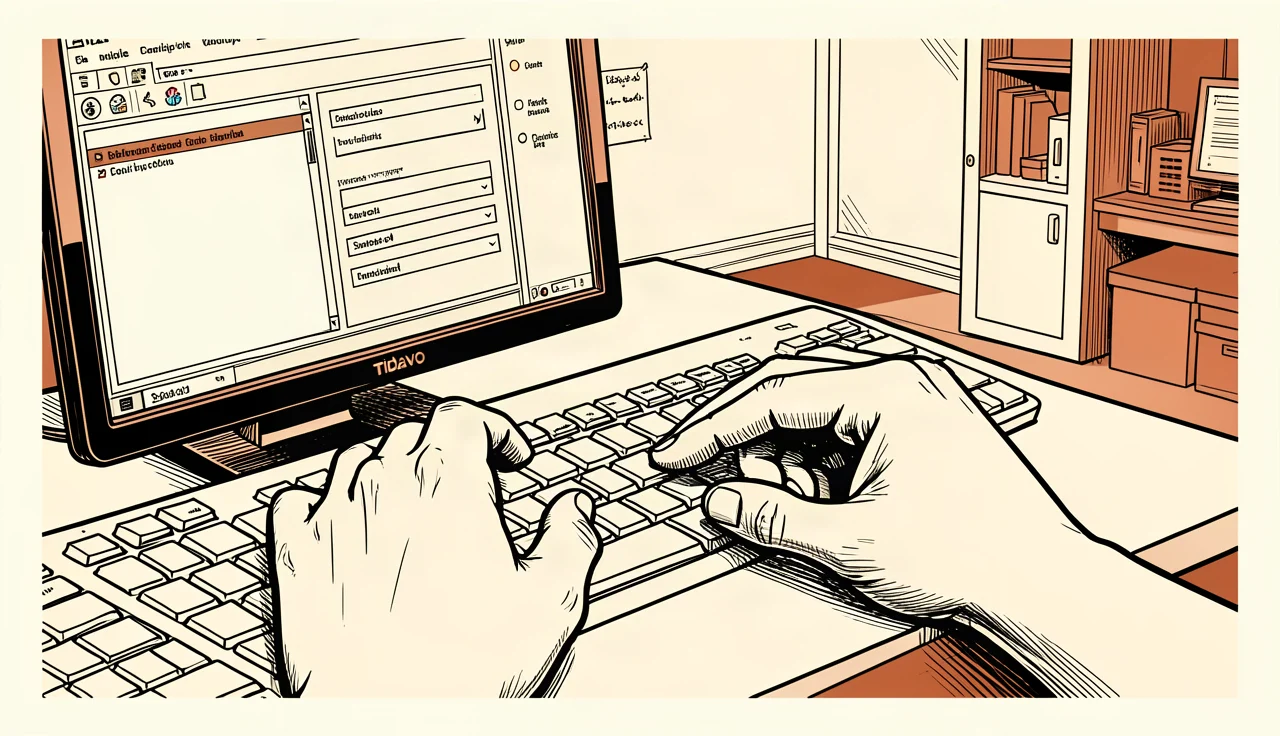
Alongside the hardware, Microsoft outlined software updates arriving in Windows 11. To protect computers from automated helper programs, known as artificial intelligence agents, the operating system introduces a safety tool called Execution Containers. This feature sets strict boundaries around an agent, letting owners limit which files, networks, and settings the software can reach.
A broader software toolset called Windows Hybrid Intelligence will permit Microsoft's Copilot assistant to search through local documents and perform physical tasks on the machine, such as organizing folders. Copilot will ask for user permission before taking action, and it will automatically choose between running smaller calculations locally on the laptop or sending heavier requests across the internet.
Microsoft positioned the new hardware as a direct alternative to Apple computers, offering up to $1,000 off for customers trading in an existing MacBook Pro. Reports gave conflicting accounts of Microsoft's speed claims against Apple's M5 hardware, describing local text responses as either twice as fast or 2.1 times faster, and visual processing as either 4.3 times or six times faster.
The new machines face a cautious computer market marked by high component costs and slower consumer spending. Market analysts do not expect personal computers built specifically for local artificial intelligence to make up the majority of industry sales until 2028. Nvidia also must pay ongoing licensing fees to the British firm Arm, after an earlier regulatory challenge blocked Nvidia from acquiring the design company outright.
TechCrunch , GeekWire , The Next Web , Engadget , Gizmodo