

Photo credits
Meshery offers open-source visual management for Kubernetes infrastructure
The Cloud Native Computing Foundation project helps teams design and deploy without manual configuration files.
14 Oct 2026 1 read Compiled with AI
#Meshery #Kubernetes #Layer5 #GitHub #Fortio #Cloud Native Computing Foundation
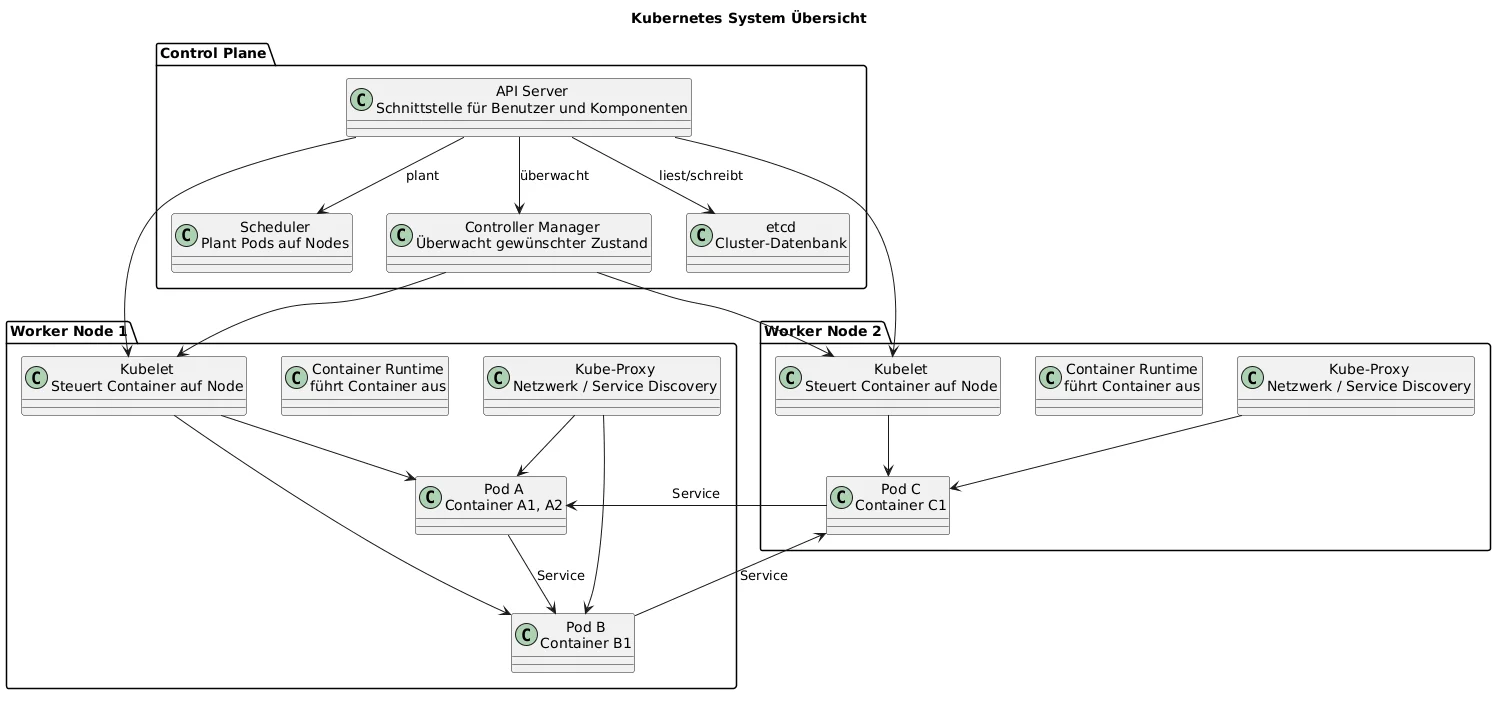
Meshery is an open-source tool for designing, deploying and managing Kubernetes infrastructure. It was built by Layer5 and its community and is hosted as a Cloud Native Computing Foundation project. Teams use it to lay out clusters and applications on a visual canvas. This allows them to check the design and push it to multiple clusters and clouds from one central console.
Kubernetes runs on configuration files, and one wrong field or mismatched API version can sink a deployment. Meshery can catch those errors before a change reaches a live cluster. The tool runs a simulated deployment that applies nothing to verify the setup. It reports invalid resources, missing fields and version conflicts to the user.
Teams can wire the same check into a CI/CD pipeline so a faulty change fails before it ships. Meshery draws the connections for you, such as a pod mounting a persistent volume. It shows those links on the canvas and uses them to apply configuration rules. The rules run on Open Policy Agent, and users do not have to write its Rego query language.
Connected to a GitHub repository, Meshery posts infrastructure snapshots into pull requests. Reviewers can see what a change does before they merge it. Workspaces group a team’s designs and control who can reach each environment. This includes a set of connections and credentials managed together for security.
Meshery supports more than 380 integrations and its public catalog holds more than 220 ready-made designs. Examples range from a WordPress and MySQL stack to an Istio control plane. For adoption, Meshery lists HPE, Intel, Red Hat, VMware, Ericsson and DigitalOcean among its users.
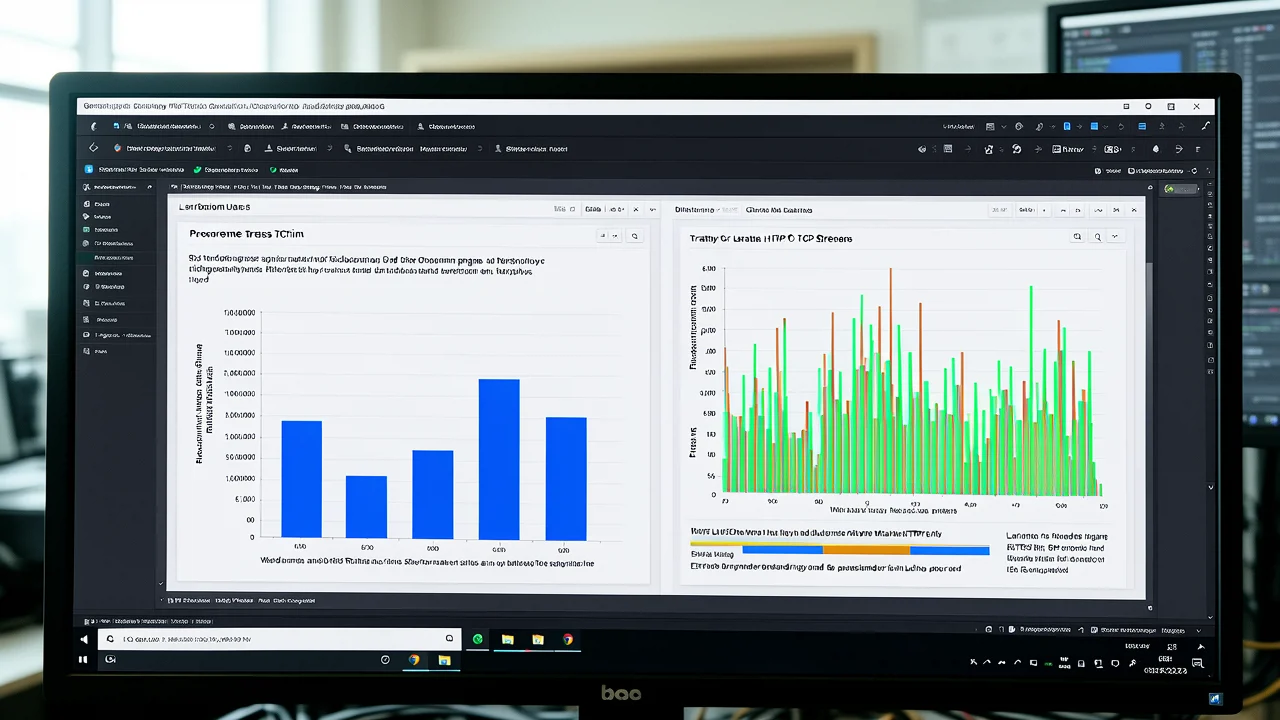
The tool generates HTTP, gRPC and TCP traffic with the Fortio load generator. It charts latency in histograms and compares latency and throughput between runs. Saved performance profiles let a team rerun the same test after each release. Meshery also pulls cluster and application metrics from Prometheus and can import existing Grafana dashboards.
The browser-based playground at play.meshery.io needs no installation for testing. For a real setup, a single command installs Meshery, which runs as a set of containers inside or outside a cluster. It supports Docker, AKS, EKS, GKE, kind, Minikube, OpenShift and Rancher across Mac, Linux and Windows. Raspberry Pi support is in progress and the tool is available for free on GitHub.