

Photo credits
MapQuest Adds Camera‑Tracking Layer to Maps
MapQuest has added a Surveillance Layer that lets users spot Flock and other automatic license‑plate readers on its maps, offering a new way to see the growing network of roadside cameras.
19 Oct 2026 0 reads Compiled with AI
#MapQuest #Flock #APLRS #Google Maps #Apple Maps
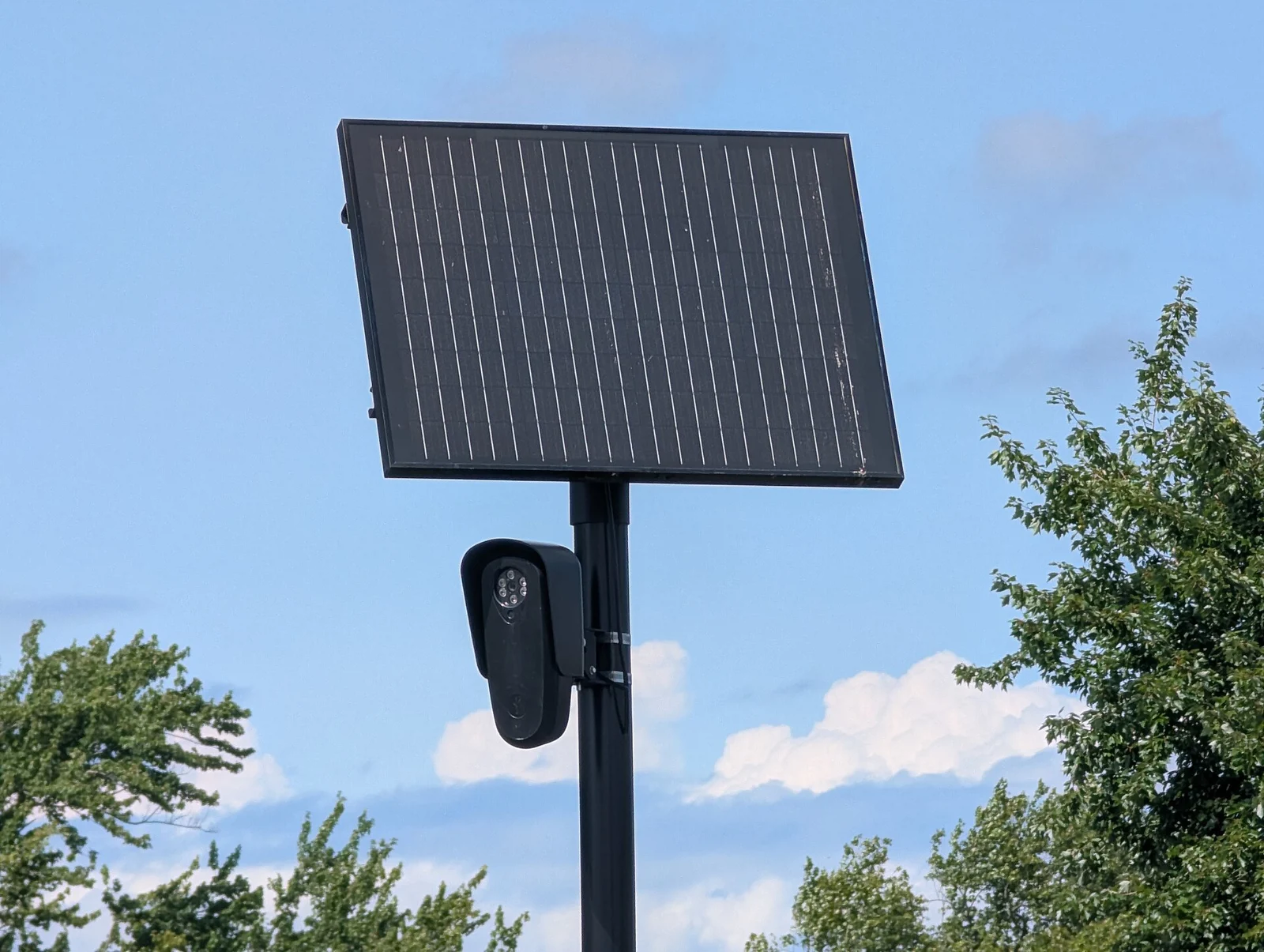
MapQuest has rolled out a new “Surveillance Layer” that lets users see automatic license‑plate readers and other surveillance cameras directly on its maps. The update, announced on the company’s blog, adds a visual map overlay that marks the locations of Flock cameras and similar systems from dozens of vendors. For drivers who have been wary of roadside cameras, the feature offers a quick way to identify where cameras are positioned.
Feature Details
The layer is powered by data from firms such as Flock, Motorola Solutions, Genetec, Axis Communications, and others, and it also shows automatic license‑plate readers from a number of providers. Users can enable the layer by tapping the layers icon in the map view and switching on “Surveillance.” Once active, the map displays eye‑shaped icons over camera sites, along with the direction of coverage. However, the app does not yet let drivers plot routes that avoid these cameras, a feature that has not been announced.
Surveillance cameras have sparked privacy concerns, with critics saying the data recorded—such as vehicle details, direction and timestamps—can track individuals without a warrant. Flock has defended its system as a safety tool, but vandalism of cameras has increased in some regions. MapQuest’s move comes after the company’s earlier decision to refuse renaming Lake Ontario to Lake America, a stance that set it apart from Google Maps and Apple Maps during a recent executive order.
While the feature is currently only a visual overlay, users may anticipate future options to route around camera‑heavy areas, as the growing number of automatic readers could become a navigation concern. For now, the Surveillance Layer simply highlights where cameras sit, giving drivers more awareness of the roadside surveillance network. The addition underscores MapQuest’s willingness to provide tools that address privacy‑related fears while still offering its core navigation service.