

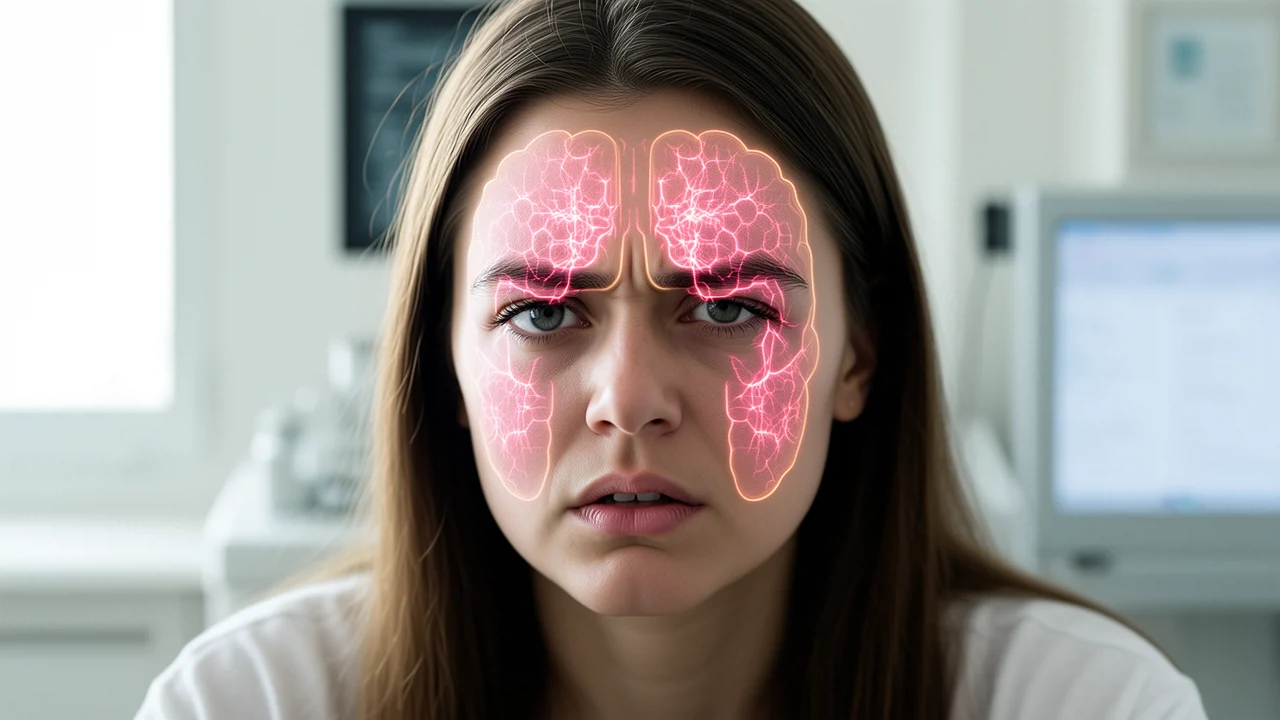
Machine‑learning model predicts depression risk from fMRI 4 years before symptoms
A study shows that a visual‑processing marker derived from brain scans can forecast which young adults will develop depression up to four years in advance.
15 Oct 2026 0 reads Compiled with AI
#Depression #Machine learning #Brain imaging
A new study combined fMRI scans of 1,332 nineteen‑year‑olds from the European IMAGEN cohort with a machine‑learning model to identify a visual‑processing marker. Participants watched faces change from neutral to angry while brain activity was recorded. The researchers extracted a “visual code” from the visual cortex and grouped subjects into efficient and noisy encoders. Those with noisy encoding reported more anxiety and low mood, and the marker predicted who would develop emotional symptoms up to four years later.
Mechanism revealed by deep learning
To explain the mechanism, the team built a deep‑neural‑network that mirrored the brain’s two‑step process: raw visual input and an abstract emotion knowledge pathway. When the conceptual regulator was set to an intermediate level the model recognized emotions accurately, but when it was too strong it misclassified neutral faces as angry or sad, reproducing the noisy brain patterns seen in the high‑symptom group. The same mathematical code quantified each participant’s over‑regulation and linked it to a genetic variant and polygenic risk score specific to major depressive disorder.
The over‑regulation marker was tested in 134 adults with major depressive disorder and 62 healthy controls. Those with depression had higher scores, and the marker accurately classified patients versus controls. Traditional brain‑activation measures did not significantly distinguish the two groups, and the marker showed no differences in patients with alcohol use disorder, anorexia nervosa, or bulimia nervosa. The effect size in the population cohort was modest, and the sample was largely white and middle‑to‑high socioeconomic, so further research is needed to confirm the marker’s utility across diverse populations and to determine whether the visual distortion is a stable trait or a transient state.