

Photo credits
Late‑night eating raises liver disease risk by 20% to 30%
A large study links eating after bedtime to a 20% to 30% higher risk of liver disease, including fatty liver and cirrhosis.
16 Oct 2026 0 reads Compiled with AI
#Oregon Health and Science University #Massachusetts General Hospital #Cirrhosis #Fatty liver disease #Late-night eating #MASLD
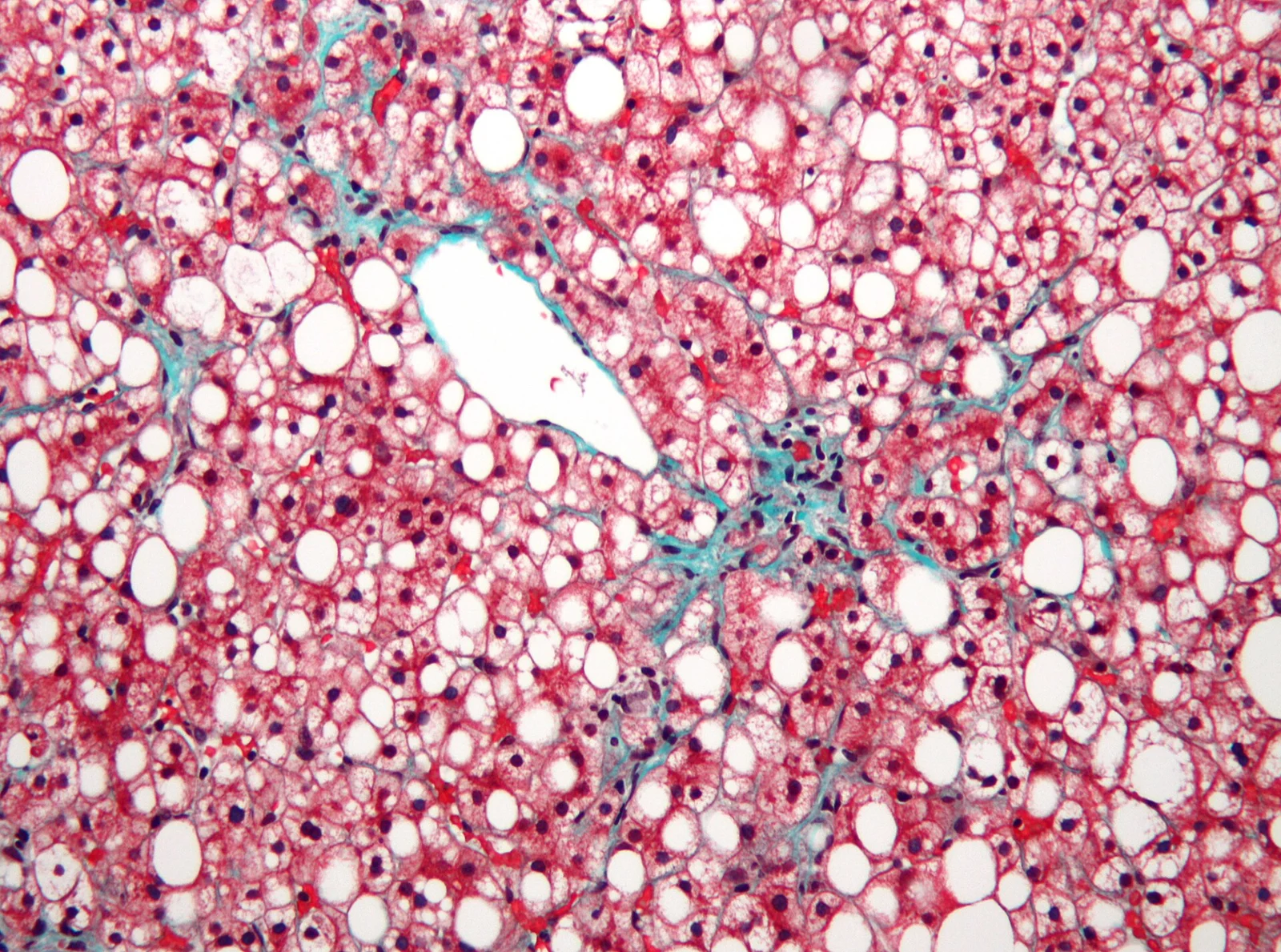
A study published in Clinical Gastroenterology and Hepatology followed 199,155 adults for a median of 16 years and found that those who ate after bedtime or between dinner and bedtime had a 28 % higher risk of cirrhosis and a 36 % higher risk of metabolic dysfunction‑associated steatotic liver disease (MASLD). The researchers defined late‑night eating as any food consumed after bedtime and adjusted for age, body mass index and physical activity. Across the cohort, 315 cases of cirrhosis were recorded, underscoring the rarity of the condition but the relative increase in risk among late‑night eaters.
Possible biological link
The authors point to circadian rhythms, the internal clock that synchronises body processes with day and night. Because the liver is especially sensitive to these rhythms, eating when the body is preparing for sleep may impair metabolic handling of nutrients, leading to excess fat build‑up and higher blood sugar. A few prior studies hinted at a connection, but this long‑term analysis is among the first to explicitly link late‑night eating to fatty liver disease.
Because the study relied on self‑reported eating times and did not measure sleep quality, the authors caution that other factors may contribute to the association. They also note that only a small fraction of people with fatty liver progress to cirrhosis. Ongoing clinical trials at Oregon Health and Science University aim to monitor meal timing directly and determine whether shifting food intake earlier can improve liver outcomes.