

Photo credits
Lancet Report Flags Nuclear War and AI as Extinction Risks
A new commission identifies two major threats that could end humanity this century alongside other health challenges.
13 Oct 2026 1 read Compiled with AI
#Lancet Commission #World Health Summit #Obesity #Nuclear War #Artificial Intelligence #Sub-Saharan Africa
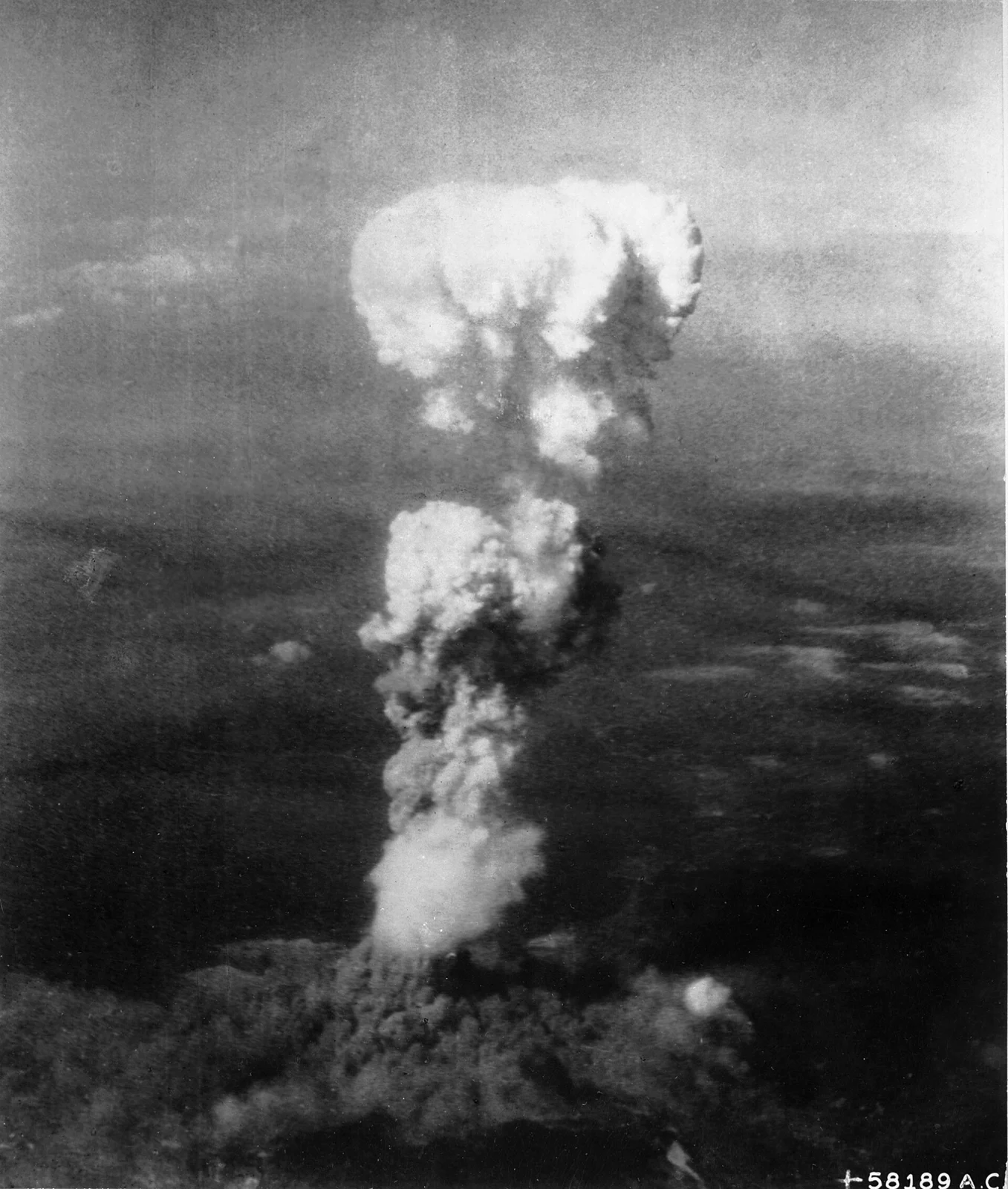
The Lancet Commission says there is a chance humanity will not survive this century. Two main risks are nuclear war leading to global famine and the malicious use of artificial intelligence. Natalia Kanem, who co-chairs the commission, delivered the warning at the World Health Summit in Berlin.
Experts estimate different odds for these dangers within the report. Superforecasters put AI-driven extinction risk at 0.4 percent while specialists suggest 3 percent. Company leaders like Elon Musk and Dario Amodei have suggested even higher chances of severe outcomes. The report notes nuclear accidents happen regularly, citing 22 incidents between 1948 and 2010.
The study also lists fifteen other threats to future health that could cost billions of healthy life years. Most are familiar issues like obesity, climate change, and pandemics. Each threat is measured by how many years of healthy life might be lost between now and 2100. This measure is known as disability-adjusted life years, or DALYs.
Obesity ranks as the top health threat in 154 countries according to the data. It accounts for an estimated 23 billion amenable DALYs. Low educational attainment and income inequality are also major burdens. The commission says these numbers show the scale of future health loss, not a list of priorities.
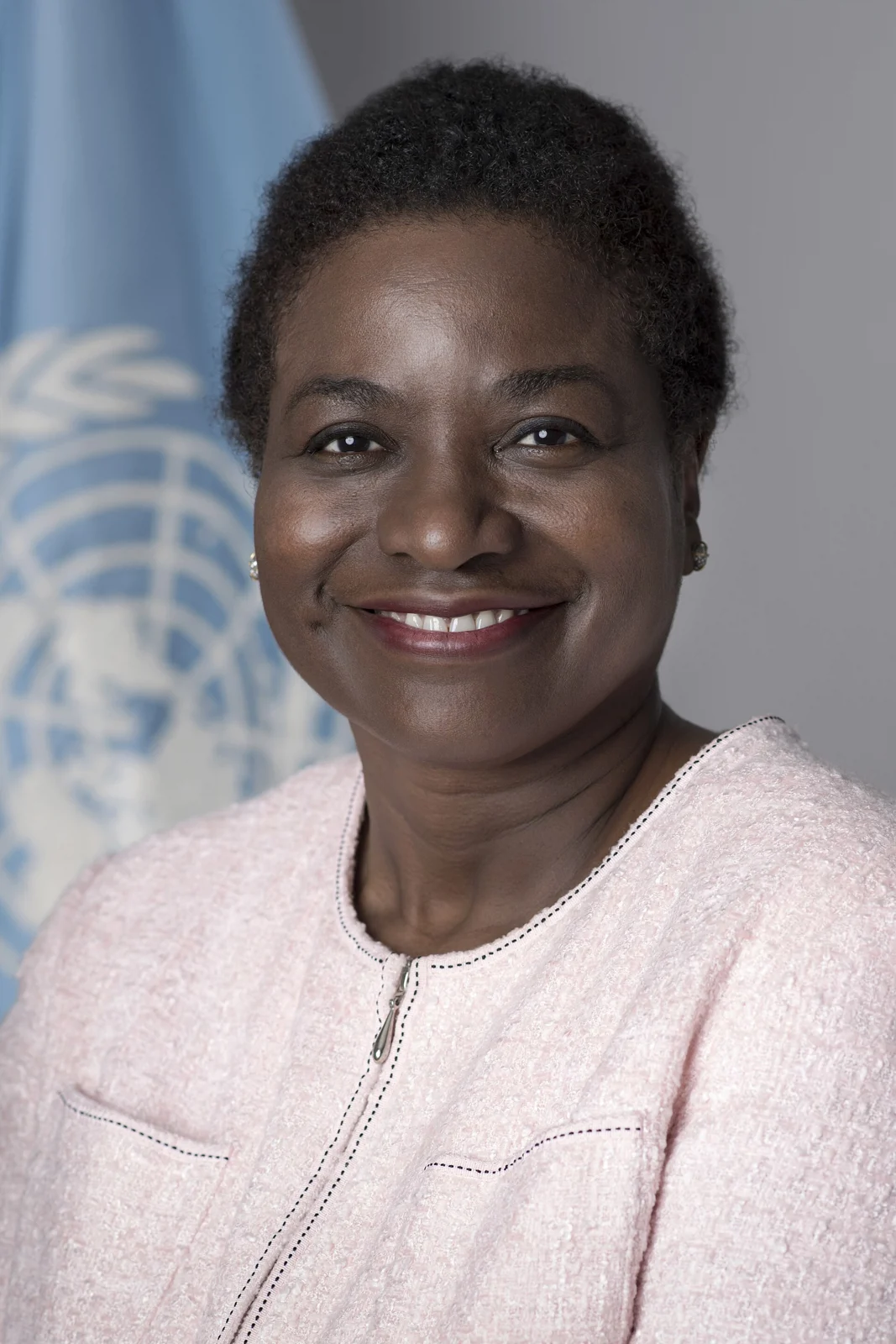
Photo credits
Sub-Saharan Africa faces severe challenges from poverty and population growth. The region's share of the global population is expected to rise significantly by 2100. Nuclear famine would still affect this region heavily due to its young age structure. Experts say economic growth there will profoundly affect global health trends.
Health aid has dropped recently, creating another significant threat. Official development assistance fell in 2025, squeezing budgets in poorer nations. This lack of funding means individuals die from preventable causes. Recipient countries need more money but cannot increase domestic financing quickly.
Some climate experts disagree with how the report frames certain dangers. They argue that grouping climate change with obesity and smoking is misleading. While climate accounts for a smaller quantified burden, it remains a systemic threat. The commission insists the figures do not imply an order of importance.
Dr Richard Horton edited the journal where the report appeared. He notes that each threat places pressure on societies and economies. The harms fall unequally across different populations. The findings suggest greater complexity than previously understood for global health policy.