

Photo credits
Kia and Hyundai top EV battery health rankings
A new study shows South Korean brands keep most battery capacity after 62,000 miles, giving buyers hope for long‑term battery life.
24 Oct 2026 0 reads Compiled with AI
A recent study of 9,954 electric‑vehicle battery tests from 2022 to 2026 found that battery health after about 62,000 miles differs across brands. The Swedish used‑car marketplace Carla used diagnostics from AVILOO to compare models fairly, and only included models that had a substantial number of tests.
Top brands in battery health
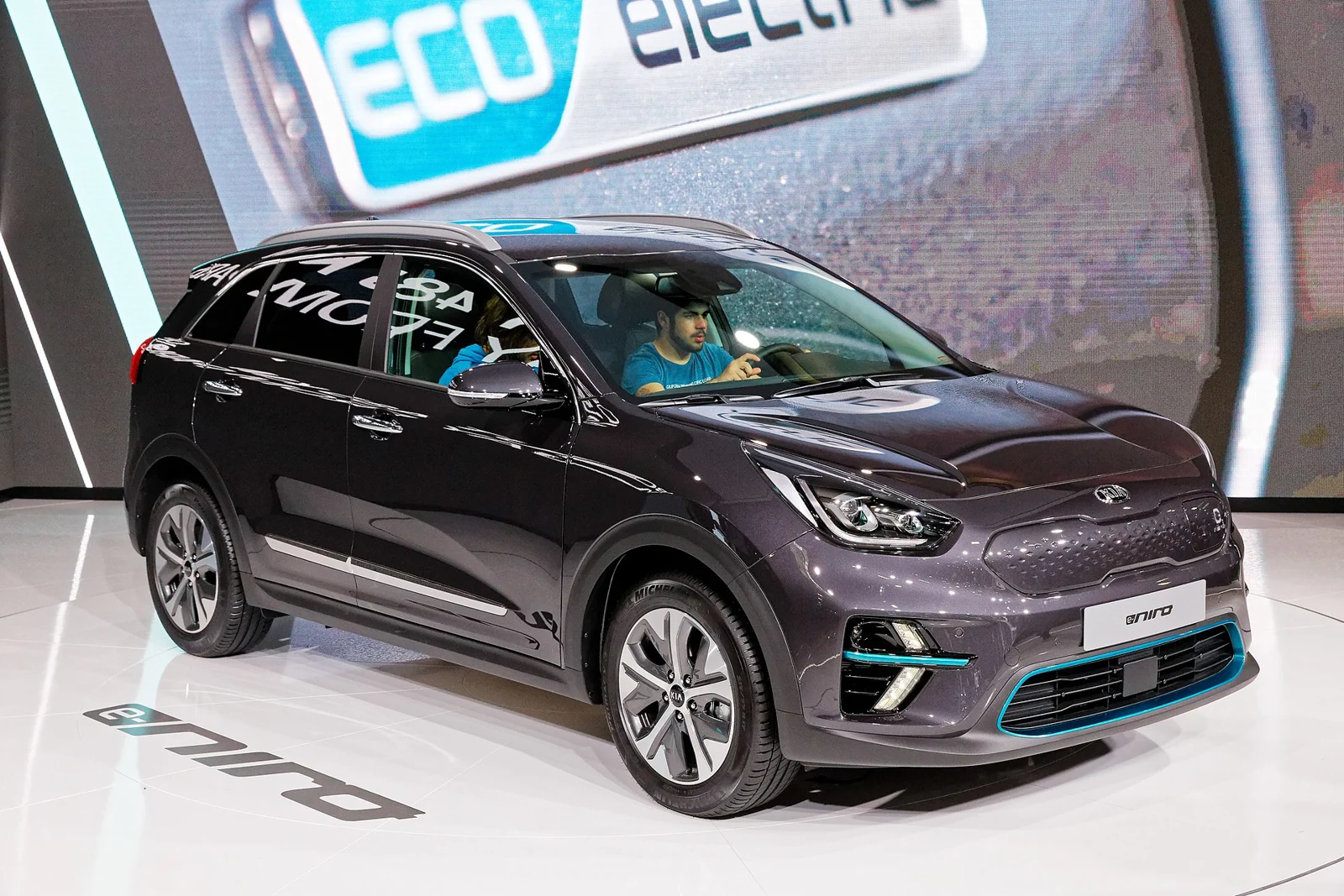
The study ranked Kia and Hyundai highest. The Kia e‑Niro kept 97.25 % of its reported battery health after 62,000 miles, and the Hyundai Kona followed at 97.18 %. The Kia EV6 came in third at 95.95 %, and Volvo’s XC40 Recharge was fourth at 94.70 %, the first non‑Korean model in the list. The Polestar 2 (94.35 %) and BMW i3 (93.77 %) also scored highly. The Volkswagen ID.3 was lowest at 91.79 %, while the Tesla Model Y and Audi Q4 e‑tron were at 92.18 %, just above the ID.3.
A separate comparison of battery versions found that even within a single model, versions can age differently. The Tesla Model 3 fitted with a CATL‑supplied LFP battery retained 93.3 % of its capacity after 62,000 miles, while the LG Chem version held 91.5 %, and two Panasonic versions dropped to 89.8 % and 88.2 %. Battery chemistry and design may help explain such differences, though temperature, charging habits and vehicle use also influence aging.
For people looking at used EVs, the findings suggest that modern batteries keep much of their original capacity even after long use. Rather than relying solely on brand rankings, buyers should consider the overall condition of the vehicle and, if possible, arrange an independent battery health test to gauge remaining capacity before purchasing.