

Photo credits
Japan launches MMX to sample Mars’ moons
JAXA’s H3 rocket successfully launched the Martian Moons eXploration spacecraft, aiming to collect a sample from Phobos and return it to Earth in 2031.
20 Oct 2026 0 reads Compiled with AI
On Monday, October 19, JAXA launched the Martian Moons eXploration (MMX) spacecraft aboard a H3‑24L rocket from Tanegashima Space Center in southern Japan. The launch occurred at 19:41 UTC (4:41 a.m. Japan Standard Time). The H3 rocket carried the MMX probe, which will travel to Mars and its two small moons, Phobos and Deimos, on a roughly ten‑month journey.
Landing and Sample Collection
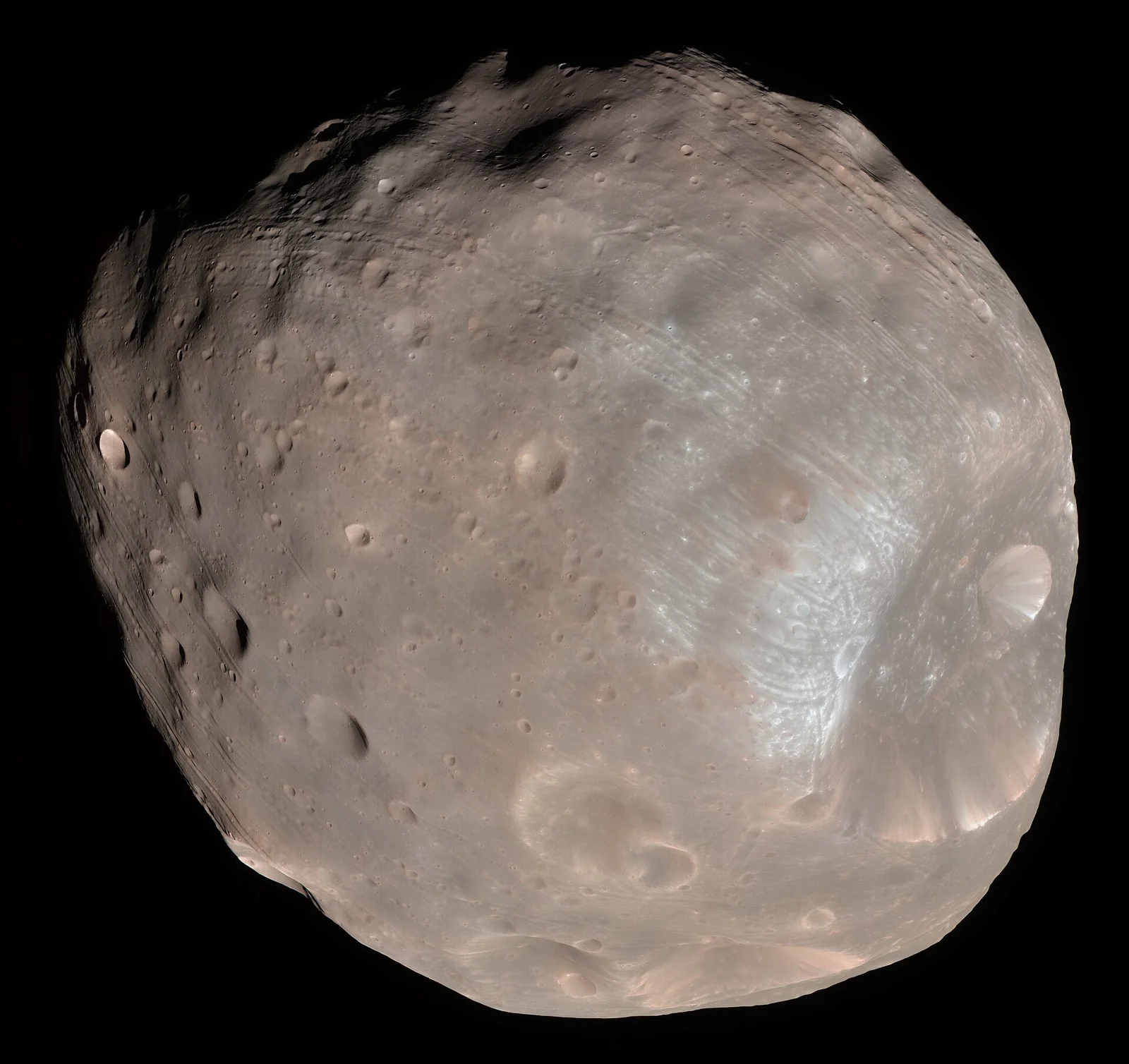
MMX’s primary goal is to land a small rover named Idefix on Phobos, collect at least ten grams of soil, and return the sample to Earth in 2031. The spacecraft will use two sampling devices: a drill that penetrates two centimeters into the surface and a gas‑blasting system that gathers loose material. After sampling, MMX will pass close to Deimos before heading back to Earth, where the capsule will land in Australia’s outback.
The samples will help scientists decide between two leading ideas for the moons’ origins. One hypothesis proposes that Phobos and Deimos are fragments of a large asteroid captured by Mars, while the other suggests they formed from debris ejected by a giant impact on Mars itself. Determining which scenario is correct could clarify how Mars and its moons developed and inform theories about habitable environments on rocky planets.
Although MMX will not bring material from the Martian surface, it may still collect stray grains of Martian dust that have drifted onto Phobos, offering indirect clues about Mars’ geology. The mission follows Japan’s earlier asteroid sample‑return missions and complements NASA’s Perseverance rover, which has already gathered Martian rock. By bringing even a few grams of Phobos material to Earth, MMX will provide a valuable laboratory sample for researchers worldwide.