


Improving blood pressure control could prevent over 518,000 annual cardiovascular deaths globally
Preliminary findings from a medical conference suggest that expanding treatment services across twenty nations could save hundreds of thousands of lives.
12 Oct 2026
#American Heart Association #Hypertension Scientific Sessions 2026
Research presented at the American Heart Association's Hypertension Scientific Sessions 2026 indicates better blood pressure control could prevent over 518,000 annual deaths worldwide. The preliminary findings were shared during the meeting held in Arlington, Virginia from October 7 to 11, 2026. These sessions focus on recent advances in research regarding high blood pressure and its link to heart disease.
Scientists modeled the impact of expanding preventive care services across twenty countries with upper- and lower-middle income levels. The analysis estimated that increasing treatment could match the levels found in high-performing U.S. health systems. This target suggests approximately eighty percent of eligible patients should receive necessary care to see results.
Improving blood pressure control prevented the greatest number of deaths among all preventive services studied. Expanding statin medications for high cholesterol followed as a secondary measure to reduce mortality. Managing blood sugar in people with diabetes also helped lower the total death count significantly.
Specific modeling estimates showed that increasing colon cancer screening could prevent 206,767 deaths each year. This screening method prevented more deaths than cervical or breast cancer screening approaches. Other preventive services included glucose control and broader use of cholesterol treatment when indicated.
Current data indicates that only about one in five adults with hypertension has controlled blood pressure levels. Similarly, sixteen percent of individuals with high cholesterol used statins according to the study findings. Lower rates were also observed for cancer screenings and optimal blood sugar management among diabetic patients.
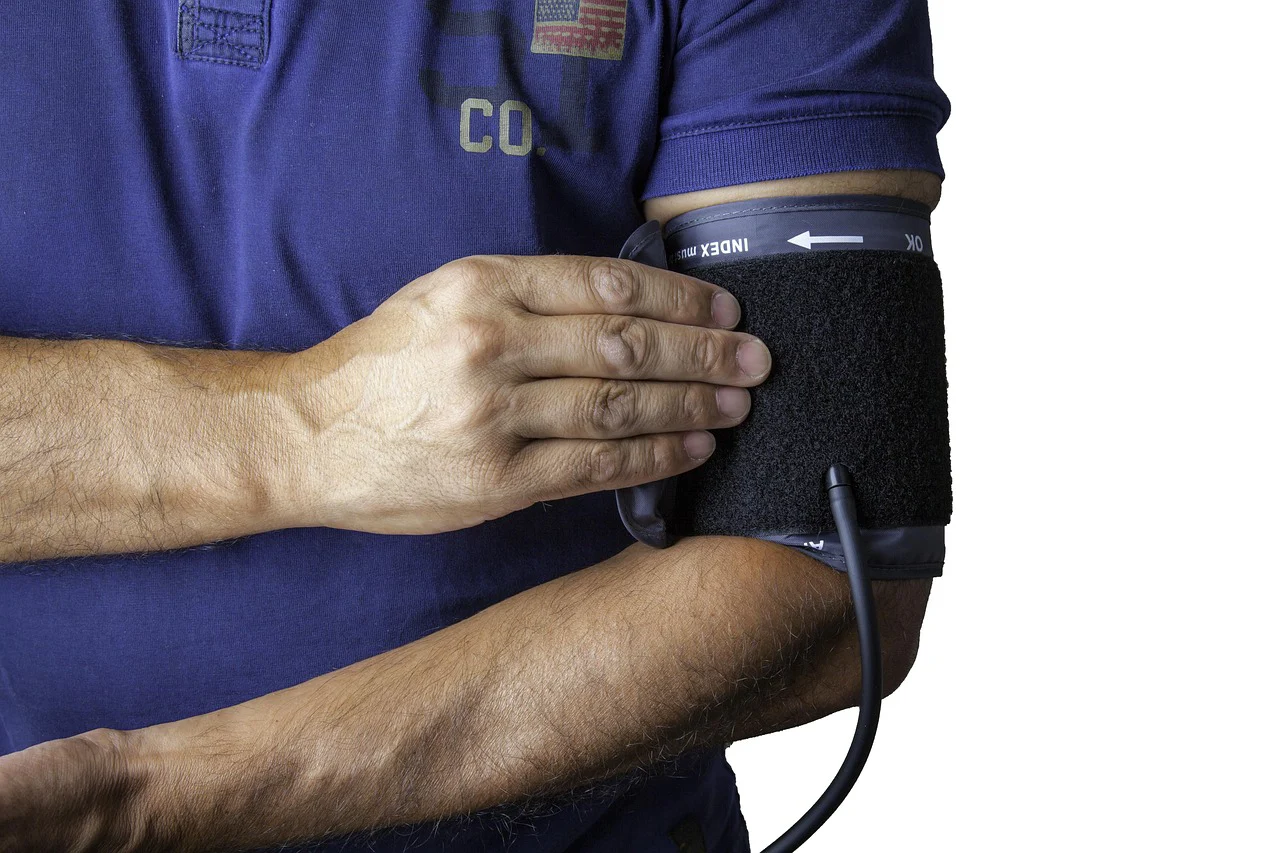
The study highlighted significant gaps in lower-middle-income countries where opportunities for improvement remain large. Upper-middle-income countries also saw substantial numbers of preventable deaths through better hypertension control. Both regions showed low rates of hypertension control and high cholesterol management compared to the U.S. benchmarks.
Untreated high blood pressure can cause damage to blood vessels, including narrowing of the arteries and aneurysms. This condition leads to many heart issues such as coronary artery disease and heart failure. It is also linked to metabolic syndrome and enlarged left heart in some cases.
According to the American Heart Association's 2025 Guideline, the treatment goal for adults is less than 130/80 mm Hg. High blood pressure remains the most prevalent and modifiable risk factor for cardiovascular disease globally. It can affect adults in all age groups and requires ongoing attention from patients and providers.
Noncommunicable diseases are responsible for roughly three out of five deaths around the world today. Approximately seventy-three percent of these deaths occur in low- or middle-income countries specifically. Cardiovascular disease accounts for more of these deaths than diabetes, cancers, or respiratory illnesses.
Experts say this modeling analysis offers important information on the potential global impact of high blood pressure. Scott Pilla from Johns Hopkins University led the study analyzing the data across the twenty countries. He noted that expanding treatment services prevented the most deaths compared to other interventions.
Daniel W. Jones, chair of the guideline writing committee, said treatment leads to longer and healthier lives. He emphasized that following evidence-based recommendations reduces the risk of death from high blood pressure. The study should inspire clinicians and patients to give more attention to appropriate management using lifestyle measures.