

Photo credits
HHS draft policy may let compounding of six unapproved peptides
Health and Human Services will not enforce rules against pharmacies making BPC‑157, TB‑500 and other unapproved peptides.
29 Oct 2026 0 reads Compiled with AI
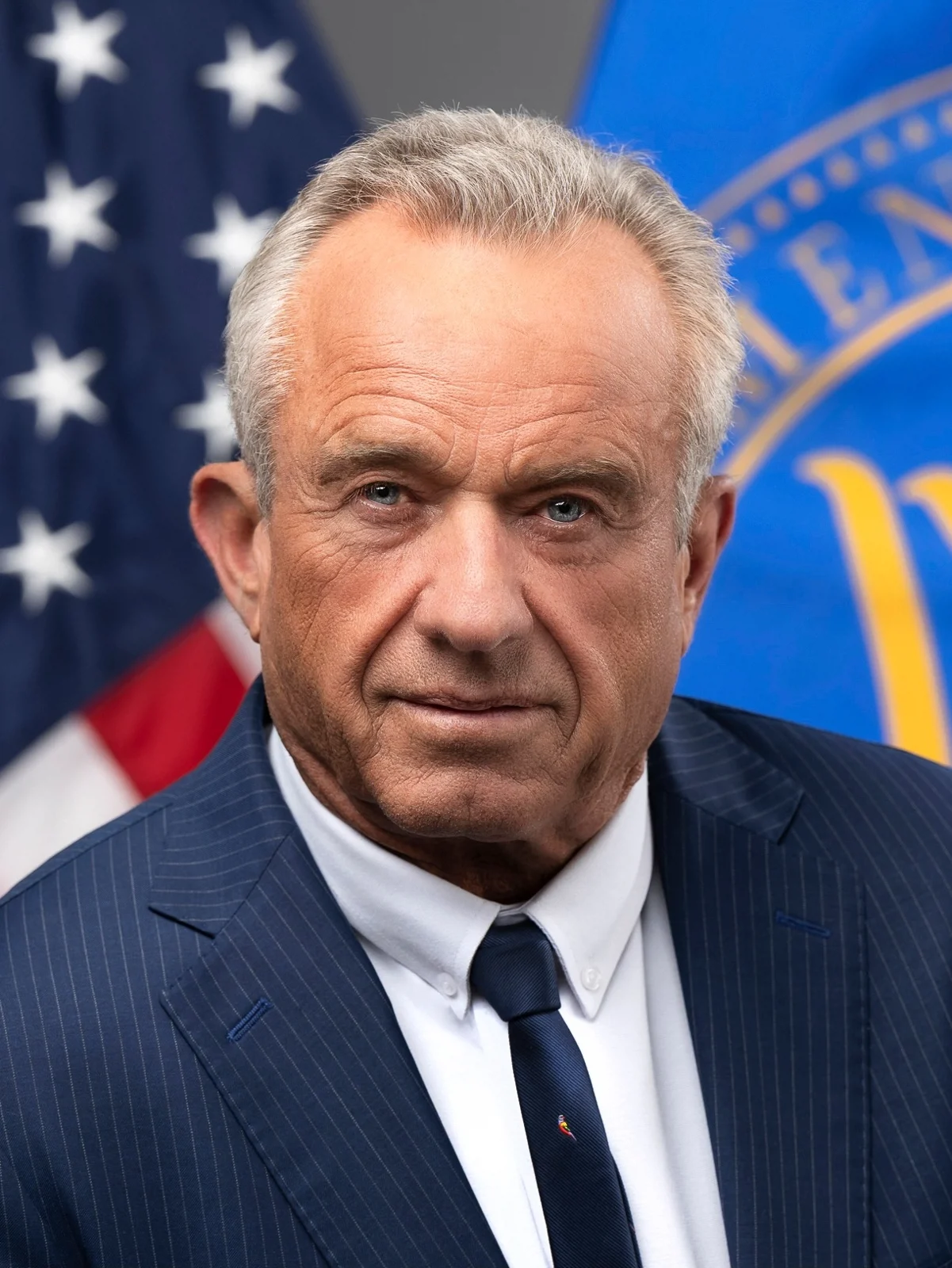
Health and Human Services Secretary Robert F. Kennedy Jr. has released a draft policy that could allow compounding pharmacies to prepare six peptides that are not FDA approved. The six, BPC‑157, epitalon, KPV, MOTS‑c, semax and TB‑500, are promoted online as treatments for everything from faster healing to younger-looking skin. The draft says the FDA will not take legal action against pharmacies that compound them, a step known as enforcement discretion. The policy was filed on Wednesday and is open for public comment until Nov. 13.
Enforcement Discretion Explained
Under the draft, compounding pharmacies must certify the identity and purity of the peptides they use. They must also report side effects, which was not required before, and use ingredients from FDA‑registered makers. Pharmacies must provide a lab certificate for the raw ingredients. The safeguards are meant to give patients a more controlled alternative to the gray market of unregulated sellers.
An FDA advisory panel narrowly voted in July to recommend adding the six peptides to the bulk drugs substances list. The vote went against the views of FDA scientists, who said there was not enough evidence of safety and effectiveness. The panel included new appointees with ties to the peptide industry. HHS officials said the policy advances patient choice while protecting safety. According to people familiar with the decision, FDA scientific staff had little input and opposed the changes.
Reactions from FDA and Industry
Lee Rosebush of the American Academy of Peptide Medicine called the policy a “huge step for patient and provider medical freedom.” Shabbir Safdar of the Partnership for Safe Medicines said it would expose Americans to “untested, dangerous substances.” Former FDA official Peter Lurie said people diverted from approved drugs toward peptides would face “more unnecessary pain and suffering.” Analysts estimate the wellness peptide market could be worth more than $2 billion, and telehealth provider Hims & Hers has said it plans to offer wellness peptides once the policy changes.
The draft policy will remain in place until the FDA finalizes a rule on compounded peptides, but the agency has not yet proposed one. Public comments will be accepted from Friday through Nov. 13.