

Heat and cold raise prison health risks in Pennsylvania
A new study links Pennsylvania’s aging prisons to higher deaths and medical visits during temperature extremes.
19 Oct 2026 0 reads Compiled with AI
#Pennsylvania #Prisons #Extreme Weather #Women #Seniors #Health
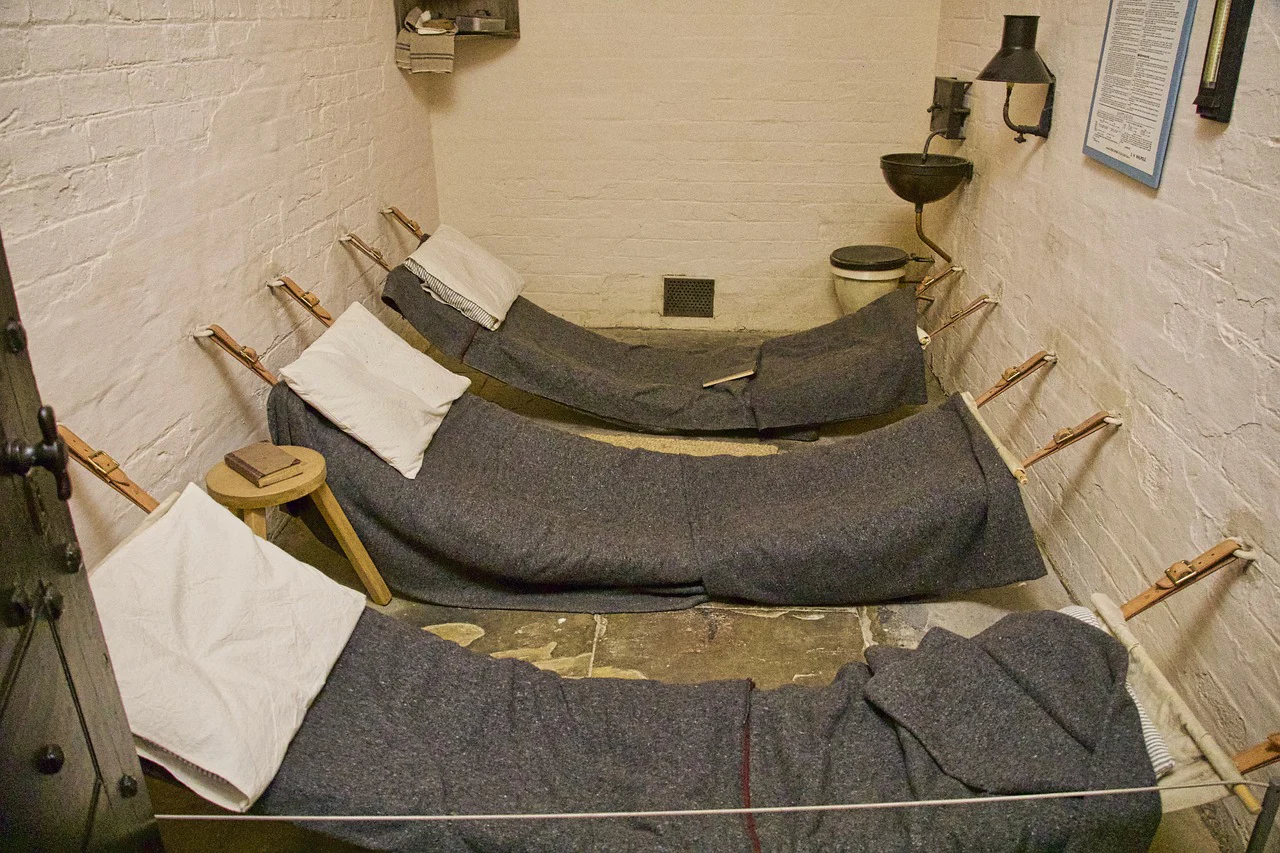
When Pennsylvania’s outdoor temperatures spiked to 103 °F (39 °C) or dropped to ‑9 °F (‑23 °C) last year, inmates in state prisons could not simply turn on air conditioning or find a warming center. Advocates and local media have described the facilities as a sauna in summer and a freezing environment in winter, especially when heating systems failed. Many of the state’s prisons were built in the 1990s or earlier, when weather patterns were less extreme, and only a few buildings or units—such as nursing care areas—have partial or limited air‑conditioning. In one cell, a woman in her early 60s said she had to layer two to three pairs of pants and four to six shirts in winter, sometimes adding a jacket and coat.
Study links extreme weather to higher health risks
It found that extreme hot and cold days were linked to higher rates of deaths, infirmary admissions, and transfers to external medical facilities. The study used daily temperature data and health outcomes to quantify the association, showing that weather spikes translate into tangible health risks for people in custody.
Older inmates and women were especially affected. The analysis showed that women experienced greater increases in infirmary visits and transfers after very hot days than men, a pattern not consistently seen in the general population. Researchers explain that incarcerated people undergo accelerated aging, making conditions such as menopause more likely and dangerous when cooling, hydration, and hormone therapy are limited. Hot flashes and night sweats can become life‑threatening during extreme heat when cooling options are scarce.
The findings highlight how a strained prison health‑care system compounds the problem. Pennsylvania’s prison population is aging, with the average age at admission rising from 31 in 2000 to 38 in 2023, and the average cost for medications for adults over 50 is $3,357 per person per year—53 % higher than for younger inmates. Staffing shortages are common, with some facilities reporting medical‑staff vacancy rates near 40 %. Inmates also face financial barriers, required to pay a $5 copay for non‑emergency medical visits, a significant amount given wages of 23–50 ¢ per hour.
The study suggests that climate resilience planning will need to include improvements to prison conditions, healthcare delivery, and policies that reduce the number of older adults incarcerated. As extreme temperatures intensify, the demands on prison operations and health services are likely to grow. Addressing these challenges will require coordinated efforts from correctional facilities, health agencies, and policymakers.