
Hark introduces an automated personal assistant designed to handle routine computer tasks
The startup has released Hark Pro to take over digital chores like booking travel and paying bills while planning future physical devices.
6 Oct 2026
Hark, a startup founded by entrepreneur Brett Adcock, has released Hark Pro, an automated personal assistant designed to navigate software and handle online errands. Rather than functioning simply as a conversational tool, the system is built to carry out routine chores directly on a computer, such as paying household bills, purchasing groceries, and scheduling appointments.
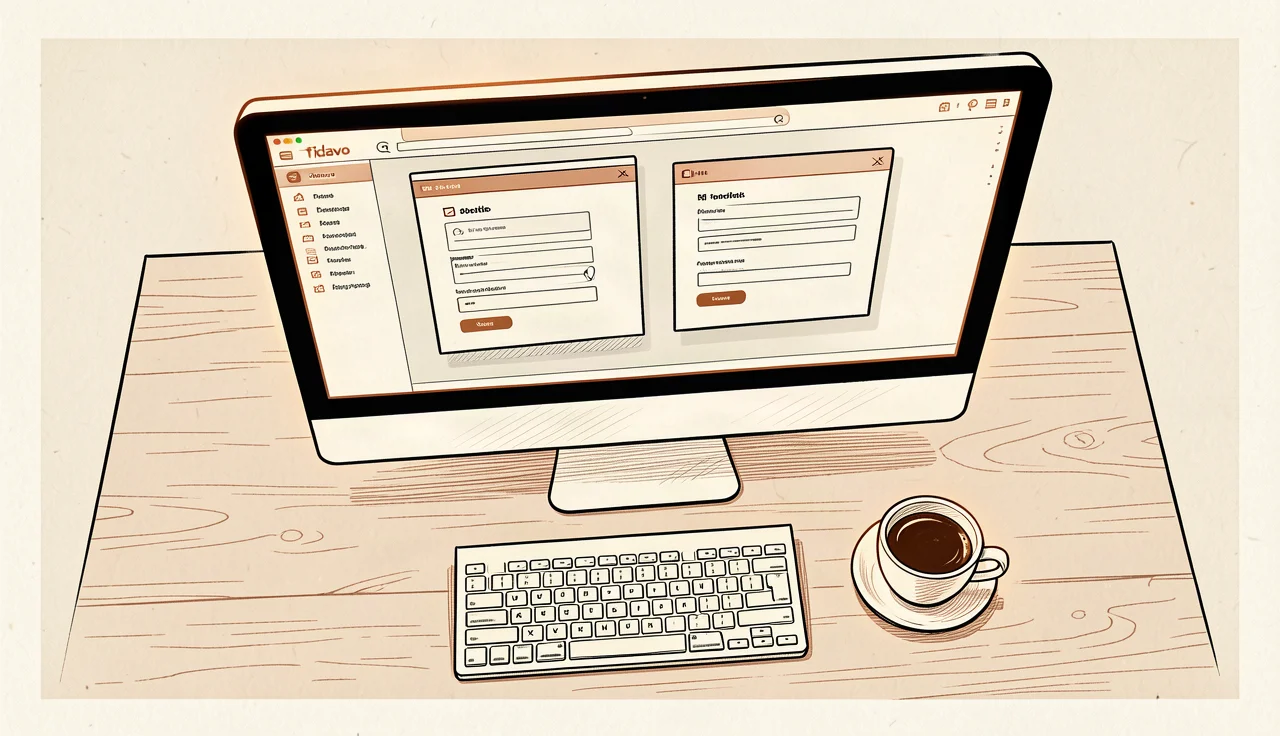
The software presents users with a dashboard centered on a conversation window, task prompts, and visual overview cards. Behind the scenes, an engine called Handoff can manage dozens of browser sessions at once, logging into web services to complete administrative chores like renewing vehicle registrations or reloading school lunch accounts.
To show users what it is doing, Hark Pro displays a visible sub-window that tracks its navigation across the web in real time. Design director Abidur Chowdhury, formerly of Apple, explained that this visible process is meant to reassure users that the system is completing tasks accurately from start to finish without stalling halfway through.
Access to Hark Pro is organized into three price levels: a basic free tier alongside monthly subscriptions at $20 and $100. This pricing structure matches the rates Meta recently established for its competing Muse assistant, which similarly books travel and processes payments through online checkout services.

The software release comes well in advance of Hark's planned physical products, which the company intends to develop without wearable cameras or clip-on lapel sensors. The accounts differ on whether Hark's physical hardware will arrive in one year or in 2027.
Hark entered the market backed by significant venture capital, having raised $700 million at a $6 billion valuation from investors including Nvidia, AMD Ventures, Intel Capital, and Qualcomm Ventures. Adcock, who also directs the robotics firm Figure AI, initially contributed $100 million of his own capital to finance the venture.
A central element of Hark's public pitch is user privacy, distinguishing its software from services offered by established advertising and technology giants. Because assistants require access to personal records, calendars, and payment methods to be useful, Hark asserts that its models focus strictly on finishing assigned chores rather than assembling behavioral profiles on users and their acquaintances.
Significant questions remain about how widely automated assistants can operate. Under European payment rules, automated spending faces strict customer verification standards that demand direct human approval for each payee and total, and Hark has not clarified how its software will comply or whether it will be offered in Europe.