

Photo credits
Hans Kluge pushes WHO reform plan
Belgian physician and long‑time WHO insider presents a reform plan that calls for shifting power from Geneva, modernising governance, and boosting health security worldwide.
24 Oct 2026 0 reads Compiled with AI
#Hans Kluge #World Health Organization
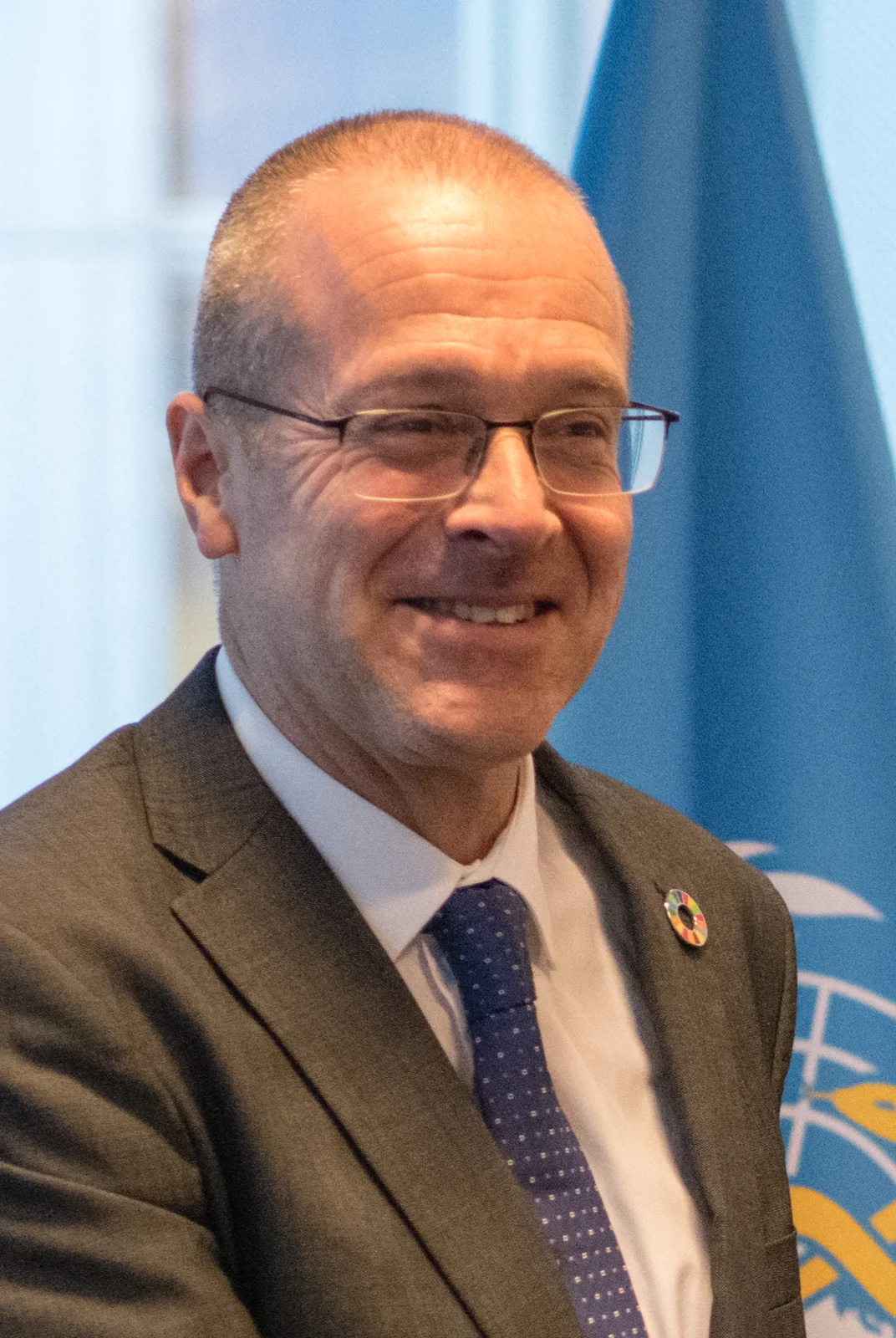
Dr Hans H. Kluge, a Belgian physician, has spent 25 years at the World Health Organization. He was nominated by Belgium after leading WHO’s European region through the COVID‑19 pandemic and the war in Ukraine. Kluge was re‑elected regional director in 2024. After qualifying in medicine and working briefly as a general practitioner, he joined Médecins Sans Frontières in Liberia and Somalia, and later ran tuberculosis control programs in Siberia and Myanmar. He has also coordinated emergency operations at a hospital in Ukraine during the 2022 invasion.
Reform pillars outlined
In his manifesto, “Rebuilding the World Health Organization Together,” Kluge lays out four pillars of reform. He wants to modernise governance, shift operational weight and financial resources from Geneva to country offices, and keep a compact headquarters focused on core standards. The funding pillar aims to secure 50 % of assessed contributions, expand flexible, multi‑year voluntary funding, and address donor earmarking. Governance reforms include reviewing the governing body’s methods, supporting the Accra Reset, and appointing a special envoy for Small Island Developing States. The workforce pillar calls for zero tolerance of harassment, better geographic representation, and training staff in artificial intelligence and emotional intelligence.
The reform pillars support four health priorities: strengthening health security, advancing the triple health agenda of maternal and child health, infectious diseases, and non‑communicable diseases, framing disease prevention as an economic policy, and promoting universal health coverage. Kluge’s primary health care signature initiative is backed by a unified data dashboard and frontline medical AI. His health‑security agenda introduces a head‑of‑state coalition, an independent WHO rapporteur to monitor attacks on health facilities, and a “Park of Remembrance” at Geneva headquarters. These measures aim to protect health workers in conflict zones and to integrate prevention into national fiscal planning.
Health priorities and safety
Despite his experience, Kluge must convince member states that a long‑time insider can dismantle WHO’s bureaucratic inertia and deliver genuine decentralisation. Past controversies, such as the withdrawal of a COVID‑19 response report on Italy and diplomatic friction during the Ukraine invasion, raise questions about his ability to separate technical expertise from political influence. He also needs to demonstrate that shifting financial and operational weight to country offices can work despite heavily earmarked voluntary funding. The proposal for an independent WHO rapporteur must avoid adding political friction to WHO’s technical mandate. Kluge’s global campaign tour has taken him across East Asia, North America, and the Middle East to build a cross‑regional coalition and reassure the Global South of his commitment to equity.