

Gran Canaria cave shows quick shift from granary to tomb
Archaeologists used insect remains to show the cave that stored grain for centuries became a burial site in the 7th-9th century AD.
21 Oct 2026 0 reads Compiled with AI
#Gran Canaria #Cruz de la Esquina #Archaeoentomology
At the Acusa plateau on Gran Canaria, archaeologists uncovered a cave at Cruz de la Esquina that had once stored grain before becoming a burial site. The cave lies 3,250 feet (990 meters) above sea level on the island’s southeastern ridge. Surveyors first identified the burial chamber while mapping the plateau’s many volcanic caves.
Insect evidence shows a storeroom
The team sifted 8,173 arthropod remains from the floor, most of them from under wooden planks. They identified 5,792 individual insects, including heads of harvester ants, darkling beetles, and flower chafer. Over 1,000 fly puparia from blowflies and flesh flies point to early decay, while 21 % of the insects were storage pests like the granary weevil Sitophilus granarius.
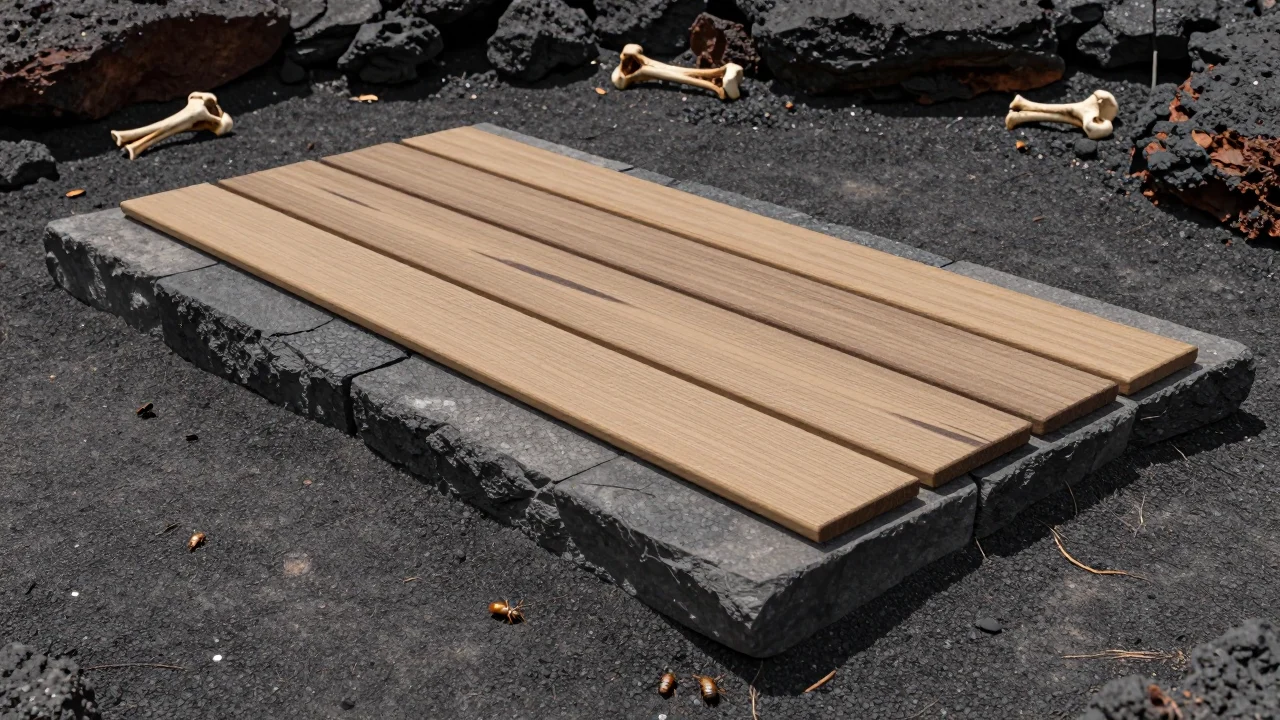
Inside the main chamber, a wooden platform laid beneath the bodies, with ropes, rush fabric and leather that had dried rather than rotted. Bones lay loose on the floor in no particular order, and only a few vertebrae and ribs from one person were fused by disease. The arrangement and material evidence indicate the cave functioned as a tomb shortly after death.
Radiocarbon dating of seven samples places the storage phase between AD 660 and 974, while human bones date to AD 687–888 and AD 706–945. The dates show that the granary was in use before the burial activities began, with the transition occurring quickly. The presence of living weevils during burials suggests the cave was never cleaned after storage.
This case illustrates how insects can reveal hidden histories of archaeological sites. Similar caves on the island and elsewhere in the world have shifted from storage to burial roles, but only a few have been examined archaeologically in such detail. Future studies aim to test other Gran Canaria caves and to refine our understanding of funerary environments.