
Google Signs Twenty-Year Deal to Modernize Nuclear Plants for Artificial Intelligence Needs
A multibillion-dollar utility contract will renovate eleven reactors in three states to deliver steady, carbon-free electricity to the regional power network.
7 Oct 2026
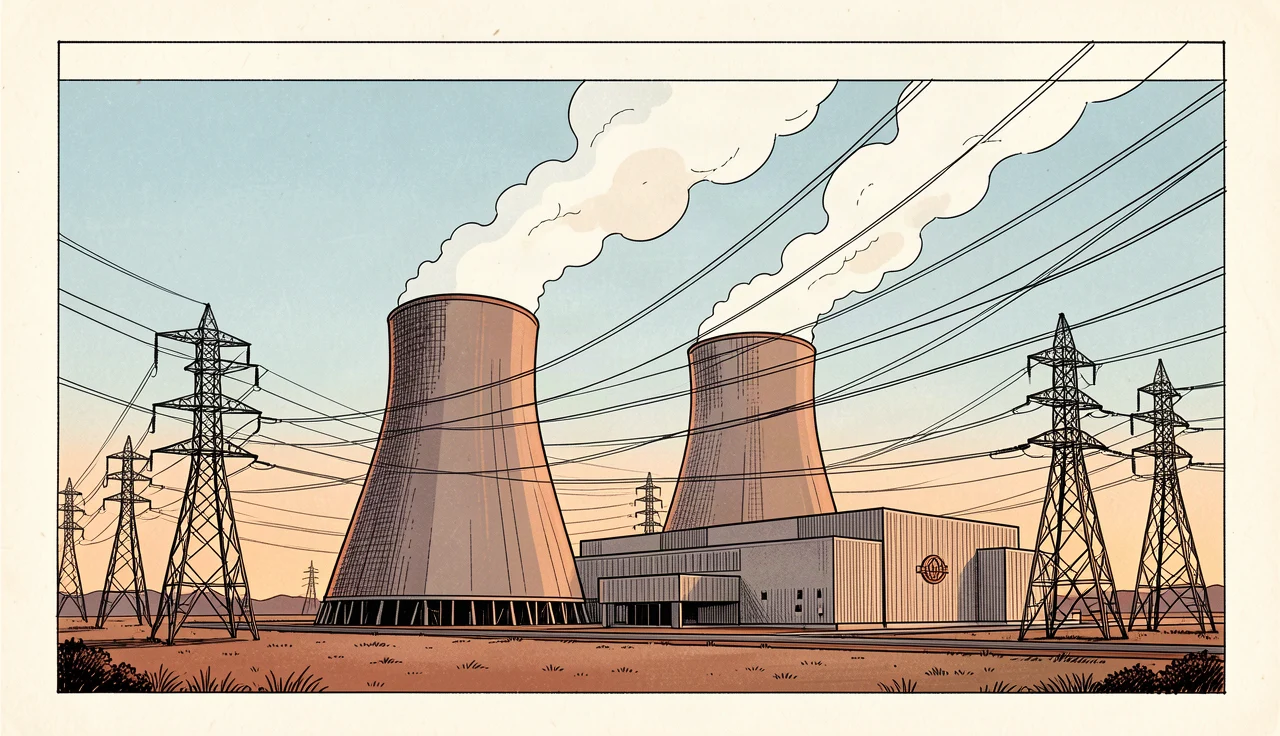
Google has agreed to a twenty-year power purchase arrangement with Constellation Energy to secure electricity for its expanding artificial intelligence computing facilities. Rather than erecting new atomic stations from scratch, the agreement focuses on upgrading existing installations across the American Midwest and Mid-Atlantic.
Constellation will direct more than $4.3 billion into eleven nuclear reactor units spread across six locations in Illinois, New Jersey, and Pennsylvania. The overhaul will replace aged components with modern steam generators, high-efficiency turbines, and computerized monitoring setups to extract more output from the existing facilities.
Those renovations are scheduled to deliver 890 megawatts of fresh generating capacity into the PJM Interconnection grid, a transmission system serving roughly 67 million residents across thirteen states. Google has not revealed the exact price paid per megawatt-hour, but the guaranteed long-term revenue allows the utility to carry out the renovations without passing capital expenses onto regular utility ratepayers.
Alongside the upgrade project, Google also arranged a separate fifteen-year purchase for 2,700 megawatts of electricity already produced by Constellation’s active fleet. Together, the two pacts form one of the largest corporate commitments to utility-scale atomic power to date.
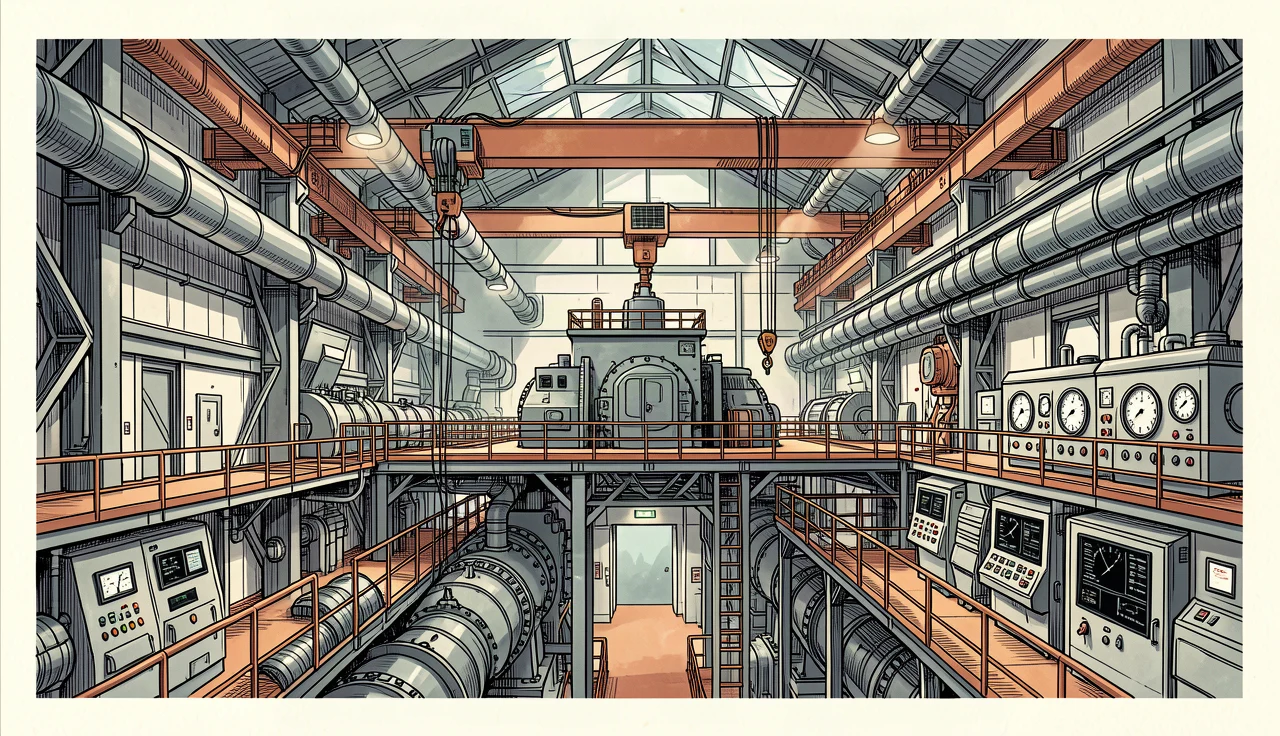
The collaboration runs in both directions. Constellation entered a five-year service agreement to adopt Google Cloud services and the Gemini Enterprise software. The utility intends to apply these computational tools to choose future facility locations, coordinate maintenance schedules, track transmission faults, and balance day-to-day power distribution.
Local employment figures form a central part of the public rollout. The project is projected to support roughly 4,400 full-time union and operational roles at the renovated plants, while adding about 7,200 temporary trade and construction jobs during the installation phase.
The hunt for firm, round-the-clock electricity has intensified as data centers absorb heavier computational workloads for model training and software hosting. Solar arrays and wind turbines depend heavily on changing weather patterns, while fossil-fueled generators clash with corporate environmental goals. Modifying established atomic sites offers tech firms a route to secure high-volume, continuous supply far faster than waiting through the decades-long permitting cycles required for brand-new power plants.
The transaction mirrors an escalating pattern across the technology sector. Constellation previously agreed to supply 690 megawatts from Maryland’s Calvert Cliffs facility to Amazon Web Services and signed a contract to reactivate Pennsylvania’s Three Mile Island plant for Microsoft. Other large operators, including Meta Platforms and Oracle, have completed parallel contracts with regional utilities to feed energy directly into planned server complexes.
Capital is also pouring into early-stage reactor technology designed to sit closer to individual industrial sites. Companies developing small modular concepts, such as Valar Atomics, X-energy, Radiant Industries, and Bluecore Energy, have raised hundreds of millions of dollars from investors betting that conventional transmission grids will soon prove too congested for the next wave of computing infrastructure.