

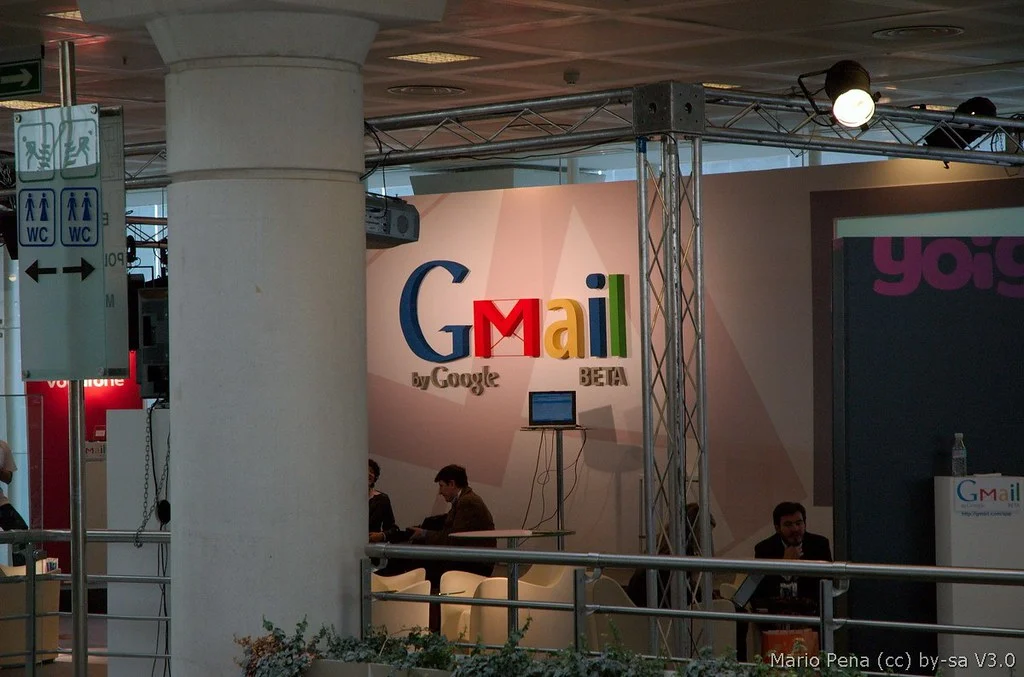
Google policy lets Gmail data target ads when enabled
Google’s October 16 privacy policy change adds an exception that allows Gmail, Drive, and Photos data to be used for personalized ads when users enable its Personal Intelligence feature.
26 Oct 2026 0 reads Compiled with AI
On 16 October, Google amended its privacy policy to add an exception to a promise it had made for years: it no longer guarantees that Gmail, Drive or Google Photos content will never be used to personalize ads. The new wording says those services can be used for ads if the user chooses to share the data with other Google services that support personalized advertising.
The change is tied to a feature called Personal Intelligence, which debuted in beta in January and expanded to most U.S. users in March. Personal Intelligence lets Google’s AI apps, such as Gemini and Search’s AI Mode, read data from connected apps to give more relevant answers. If a user enables the feature, the AI can pull in email confirmations, photo memories or drive files to shape its responses, and the same data may now be used to decide which ads appear.

Personal Intelligence enables data sharing
Users can opt out by disconnecting Gmail, Drive or Photos from the Personal Intelligence services in their Google Account. The setting is found under Data & privacy > Personalization > Search Services recommendations. However, a note in the policy says that disconnecting does not erase any information Google has already accessed; Search Services History may keep a record even after the original email or photo is deleted.
Google states that advertisers cannot see private email or photo content, nor personal identifiers like name or email address, even when Personal Intelligence is enabled. The company also says sensitive categories such as health or religion remain off‑limits for ad targeting. Ads are still expected to follow the context of the question and answer, not the contents of the inbox itself, and Google is testing ads in AI Mode for users who have the feature turned on.
The policy only applies to personal Google accounts and excludes users in the European Economic Area, Switzerland, the United Kingdom and Nigeria. Workspace, enterprise and education accounts are not covered, and the feature is not yet available to users in those regions.
thenextweb.com , 9to5Google , Dexerto , TechSpot , Digital Trends