

Google opens a public website to help users detect artificial intelligence watermarks
The new portal checks media for invisible markers from several leading tech companies, but it cannot catch every fake.
8 Oct 2026
Google has launched a public website called SynthID.com to help anyone check whether an image, video, or sound recording was produced with artificial intelligence. Reports differed on the exact launch day, with one account placing it on Tuesday and others on Wednesday.
The tool looks for invisible digital watermarks embedded directly into media files. Google DeepMind first introduced this watermarking system, called SynthID, in 2023. It modifies pixel patterns in pictures and waveforms in audio clips so computers can detect the edits without altering how the file looks or sounds to human eyes and ears.
Until now, people outside of testing programs had to ask Google's Gemini chatbot to inspect files, which often returned wordy or confusing explanations. The new standalone portal offers a direct check without needing to route questions through an interactive bot.
The updated checker works with watermarks from multiple companies at once. Along with Google's own tools, the site recognizes markers placed by OpenAI, Nvidia, and Kakao. Apple is scheduled to connect its artificial intelligence tools to the system soon.
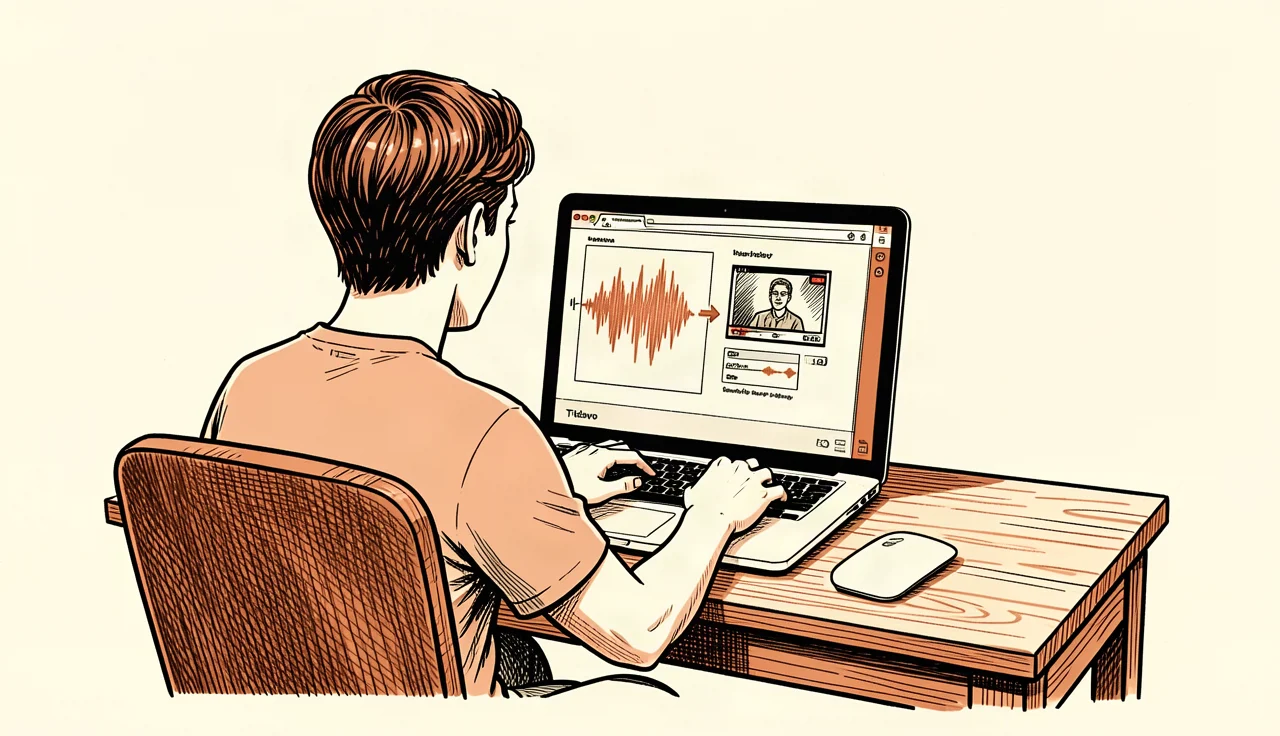
Visitors can test many common file types on the website, including standard image formats like JPEG and PNG, videos like MP4 and MOV, and audio files like MP3 and WAV.
Anyone can use the site for free, but it does require signing in with a Google, Apple, or OpenAI account. Each user gets an allowance of roughly ten checks each day. Company engineers explain that these daily caps stop bad actors from uploading repeated tests to learn how to peel watermarks away.
The checker provides a simple result rather than a deep breakdown. It tells users whether a partner watermark is present, but it does not specify which parts of a scene were altered or whether a picture was created from scratch rather than lightly edited.
The biggest limit of the portal is that it cannot spot media created by tools outside its partnership network. Systems from other companies, as well as freely available open-source generators that anyone can run on a home computer, do not carry SynthID tags.
A clean scan therefore does not prove that a photograph or video is real life. Observers warn that because different tech firms still rely on separate watermarking systems or none at all, no single scanner can catch every fake online.
Gizmodo , Hacker News , Ars Technica , Engadget , TechCrunch