
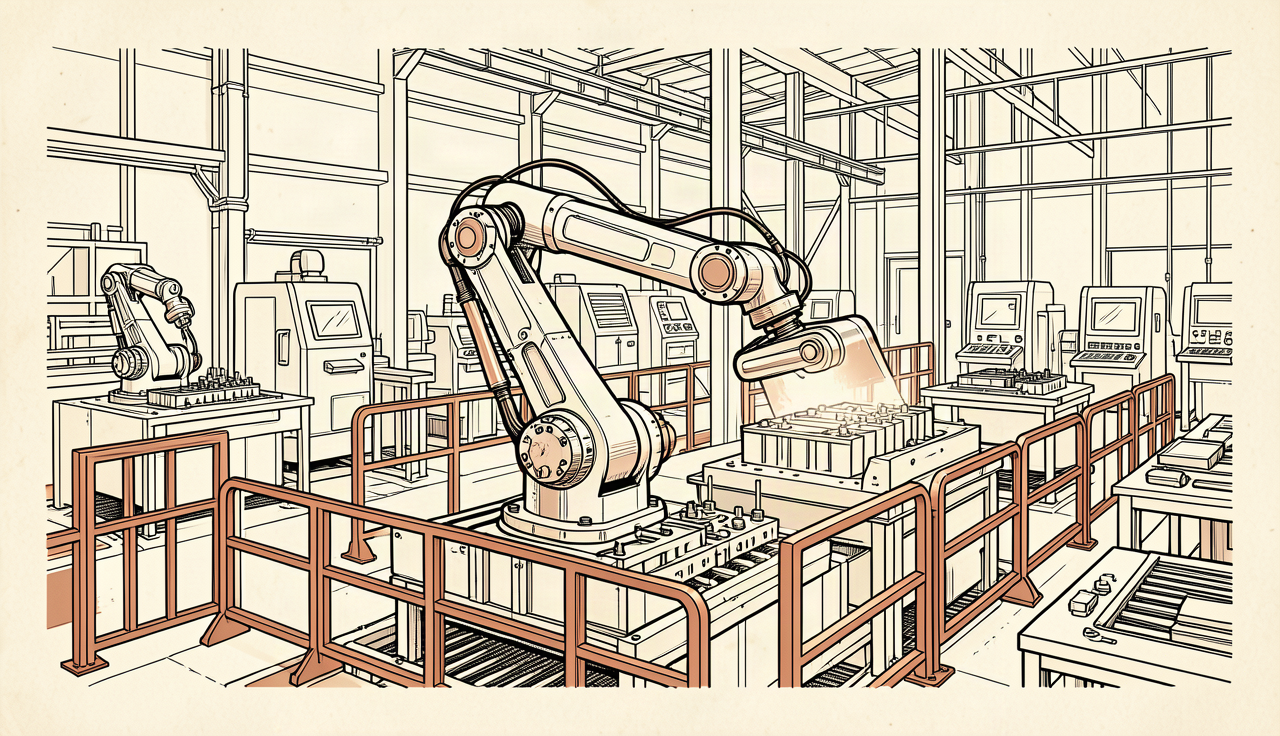
German Factory Robotics Firm Robco Secures One Billion Dollar Valuation Through Employee Share Sale
A secondary transaction of staff equity pushes the Munich-based industrial automation maker into unicorn status as expansion across the Atlantic continues.
6 Oct 2026
Munich-based robotics developer Robco has achieved a private market valuation of $1 billion after completing an equity transaction involving staff-held shares.
The transaction allowed personnel to sell more than $40 million worth of their holdings to a collection of current and incoming venture backers.
This pricing effectively doubles the company's recorded worth in nine months, building on an assessment of roughly $500 million reached at the start of the year.
Robco was established in 2020 by Roman Hölzl, Paul Maroldt, and Constantin Dresel, who originally developed their automation concepts while researching at the Technical University of Munich.
The enterprise focuses on flexible robotic kits designed for mid-sized industrial workshops that require automated assembly, pallet stacking, and machine loading.
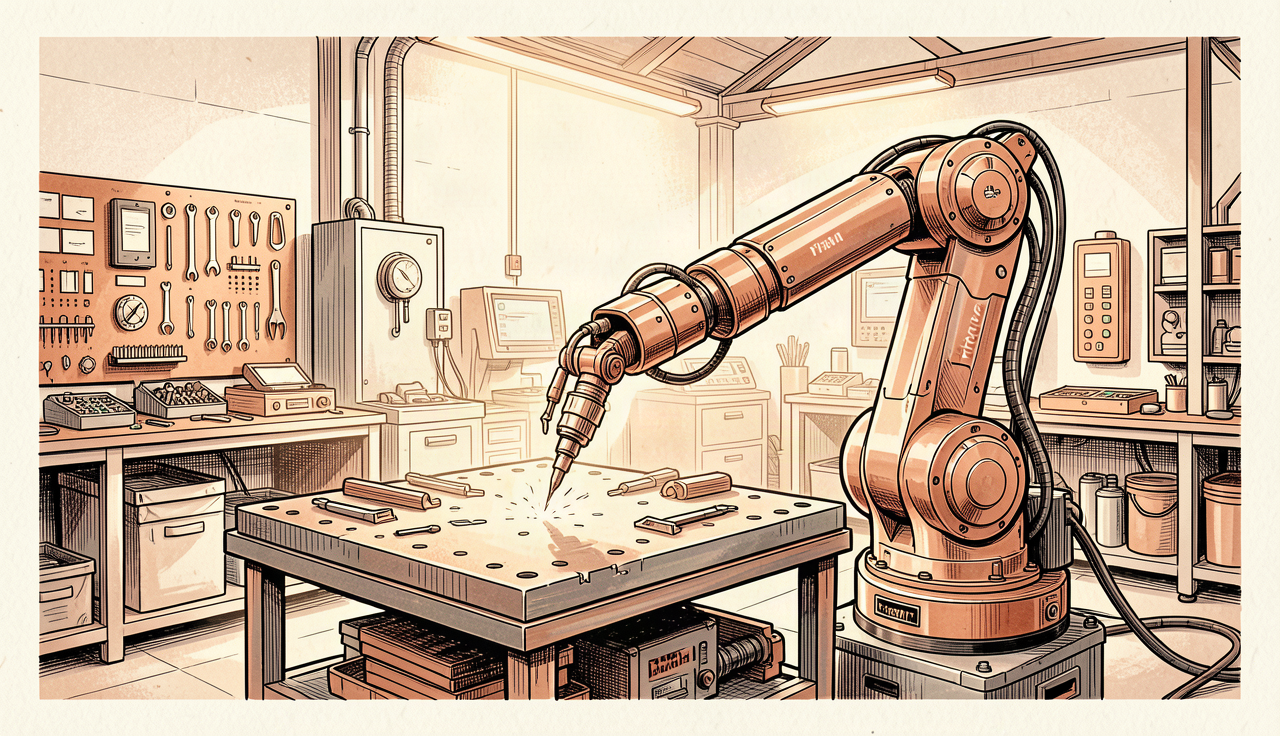
Instead of requiring long periods of bespoke software programming, the machines pick up operational skills through direct demonstration and automated learning.
More than 1,000 of the modular robotic units have been deployed to date, with manufacturing operations such as BMW Group among the customer base.
The secondary sale drew capital from previous backers including Lightspeed Venture Partners, Lingotto Innovation, Sequoia, and Volkswagen-backed Leitmotif, alongside new participants Cherry Ventures and European Tech Collective.
The firm had previously secured $42.5 million during a financing round in 2024 before collecting $100 million in primary capital earlier this year.
Engineering efforts are now focused on a system called Alfie, an industrial unit built to combine environmental perception and logic for variable factory duties, scheduled to enter the market next March.
Robco is also pursuing commercial opportunities in North America, maintaining offices in San Francisco and Austin as domestic manufacturers adopt automation to offset staff shortages and support relocated production lines.