

Flu season starts early amid mutated H1N1 strain spread
Experts say the flu shot may offer less immunity this year, not none, and urge people to get vaccinated.
25 Oct 2026 0 reads Compiled with AI
As of Oct. 21, flu infections were growing or likely growing in 44 states. The 2026–2027 season began well ahead of schedule, with infections rising as early as August. Louisiana and Hawaii already report moderate levels. Activity is still low nationally, but cases are climbing fast, especially in the West. CDC data show 5.7% of flu tests were positive in the week ending Oct. 17, and outpatient visits for flu-like illness reached 2.2%, higher than the previous two seasons.
Mutation Raises Immunity Concerns
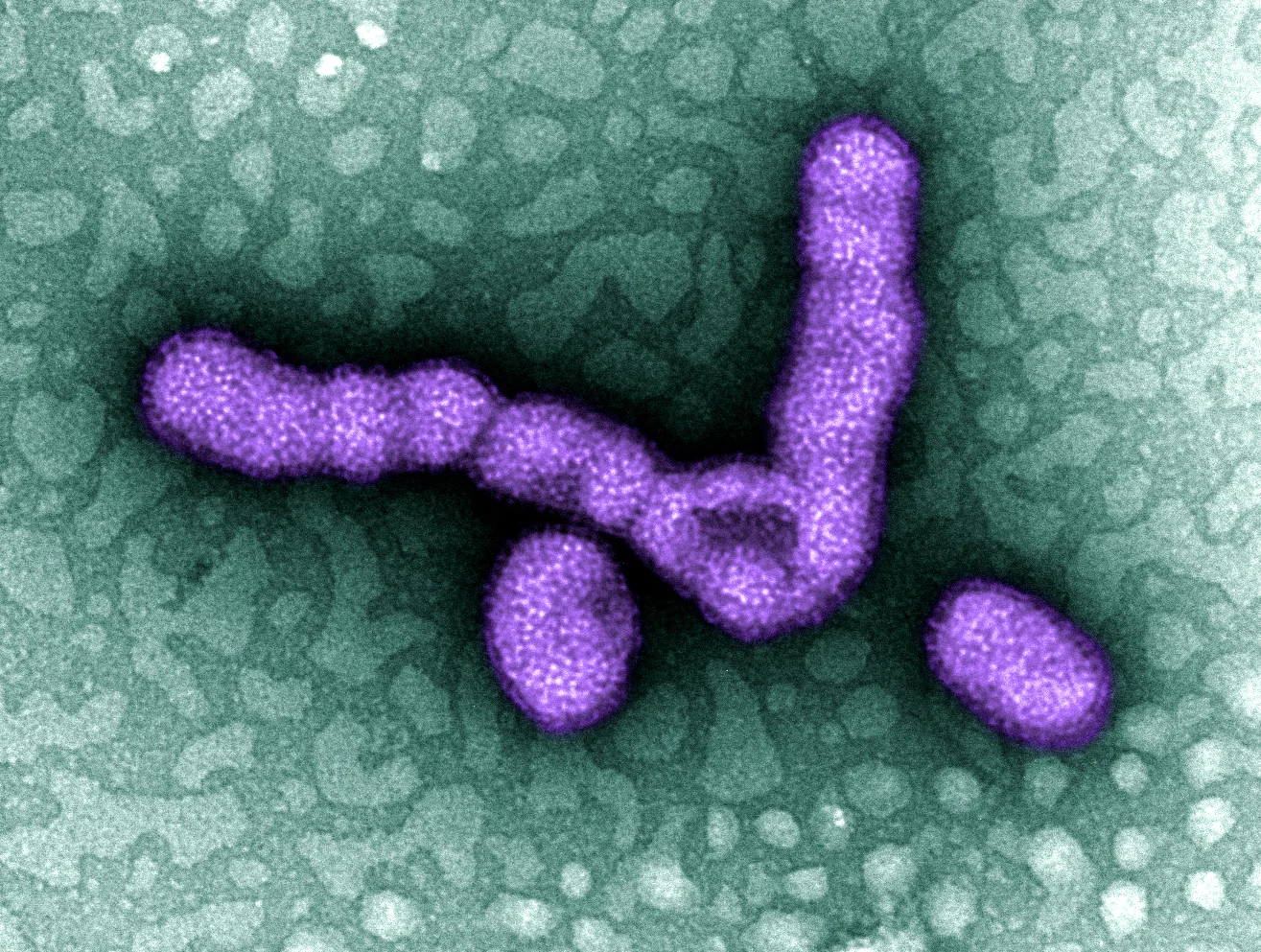
Experts say a mutated H1N1 strain is spreading and may be one possible reason for the early start, though it is unclear why cases are rising sooner than normal. H1N1 is the strain behind the 2009 swine flu pandemic, and it accounts for most U.S. cases so far this season. The virus has picked up a G155E mutation in H1N1 (pdm09) subclade D.3.1.1, first identified in September in Seattle, Washington. That change may affect its ability to evade antibodies from past infection or vaccination.
The current flu shot is still expected to protect people despite the mismatch. Experts say it may offer less immunity, not none. The vaccine covers H1N1, H3N2 and influenza B, and comes as a standard shot, high-dose shot, nasal mist or new mRNA vaccine. Dr. Andrew Pekosz urges people, especially high-risk groups, to get vaccinated, ideally before the end of October, since protection takes at least two weeks to build. Dr. Bernard Camins says vaccinated people can still get infected but are far less likely to get very sick or be hospitalized.
Testing is important, because flu and COVID can be hard to tell apart, Dr. Bernard Camins says. Antivirals can lessen symptom severity and duration for people who test positive for influenza. Dr. Andrew Pekosz says the prescription has to come fast, within the first 48 hours after symptom onset, or the drugs don't work as well. Antivirals are an especially important tool for high-risk groups, including people over 65, children under 5 and immunocompromised people. If you have severe flu symptoms, contact your doctor.