

Florida reports largest dengue outbreak in any US state in decades
State health officials say nearly 300 locally acquired cases mark the most severe outbreak in a calendar year for the region since at least the 1940s.
12 Oct 2026
#Florida #Dengue #Hillsborough County #CDC #Tampa #Aedes aegypti
Florida's current dengue outbreak is the largest in several decades for any US state. State health officials reported nearly 300 locally acquired cases so far this year. Federal data suggests this marks the most cases in a calendar year since at least the 1940s.
The vast majority of cases were in Hillsborough County, home to Tampa. Officials there have declared local emergencies. There has been one dengue death this year involving an elderly woman on Sept. 4.
The state's previous worst year was 2023 with just under 200 locally spread cases. In the continental US, Florida usually gets the most locally transmitted cases. Hawaii previously held a record with 264 cases over six months in 2015-2016.
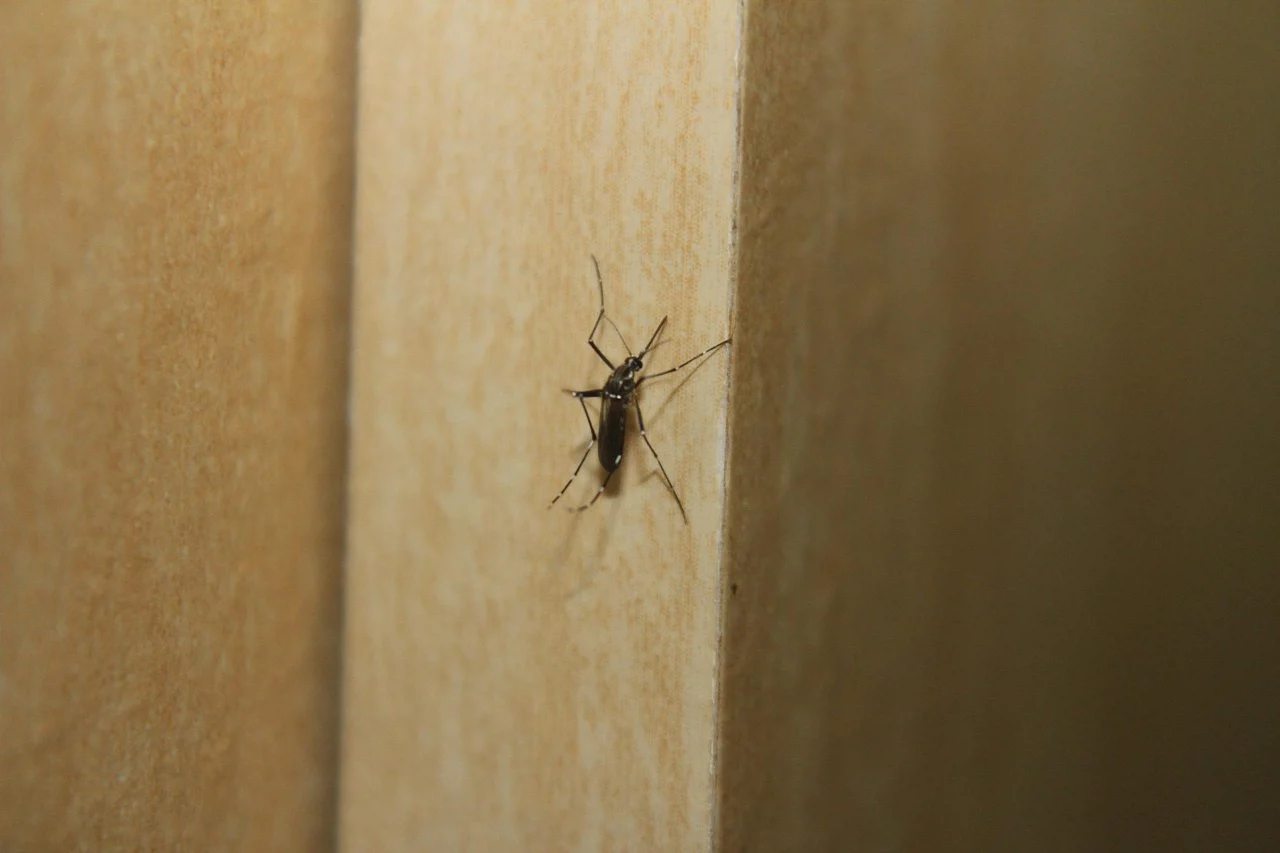
Dengue is caused by a virus spread by a type of mosquito called Aedes aegypti. Many infected people do not get sick, but some experience fever and flu-like symptoms. It has been nicknamed breakbone fever for the excruciating pain some patients feel.
Severe cases can cause bleeding, shock and death. Other patients treated for fever and dehydration went to hospital in the area. Experts say most people in Tampa lack prior immunity to any form of dengue.

There are four types of dengue virus, simply known as 1, 2, 3 and 4. When someone is first infected, their body builds antibodies against that type for life. If they get infected with another type later, the first antibodies may fail to neutralize it.
Experts say mosquitoes spreading dengue live in Florida and some other hotter US locales. They have been expanding their geographic reach because of climate change. For decades, most continental US infections were found among people who caught the virus while traveling internationally.
Locally acquired cases in Florida have actually surpassed travel-associated cases by a count of 252 to 245 as of last week. The surge may be at least partly related to travel patterns. Traditionally, the CDC would be highly visible in a situation like this, but it hasn't been this time.
The US public health agency has to be invited in by state officials, and Florida officials have not asked for CDC disease investigators to come in. The agency has provided $800,000 in assistance to the state health department. Tampa-area officials said they haven't seen that aid trickle down to the local level yet.
People in an outbreak area can take their own steps for protection. Experts say it is important to apply EPA-registered insect repellents containing active ingredients like DEET. Staying indoors behind screens or in rooms with air conditioning will also lessen the chances for a bite.
Mosquitoes tend to be most active just after sunrise and around sunset. Climate conditions and persistent mosquito populations will likely make local dengue outbreaks a more frequent problem. Experts say there is a good chance that this is the new normal.