

FDA-approved epilepsy drug shows promise for osteoarthritis repair in new research
Yale researchers found a repurposed treatment that reduces pain and may help regrow damaged joint cartilage.
14 Oct 2026 0 reads Compiled with AI
#Lacosamide #Yale School of Medicine
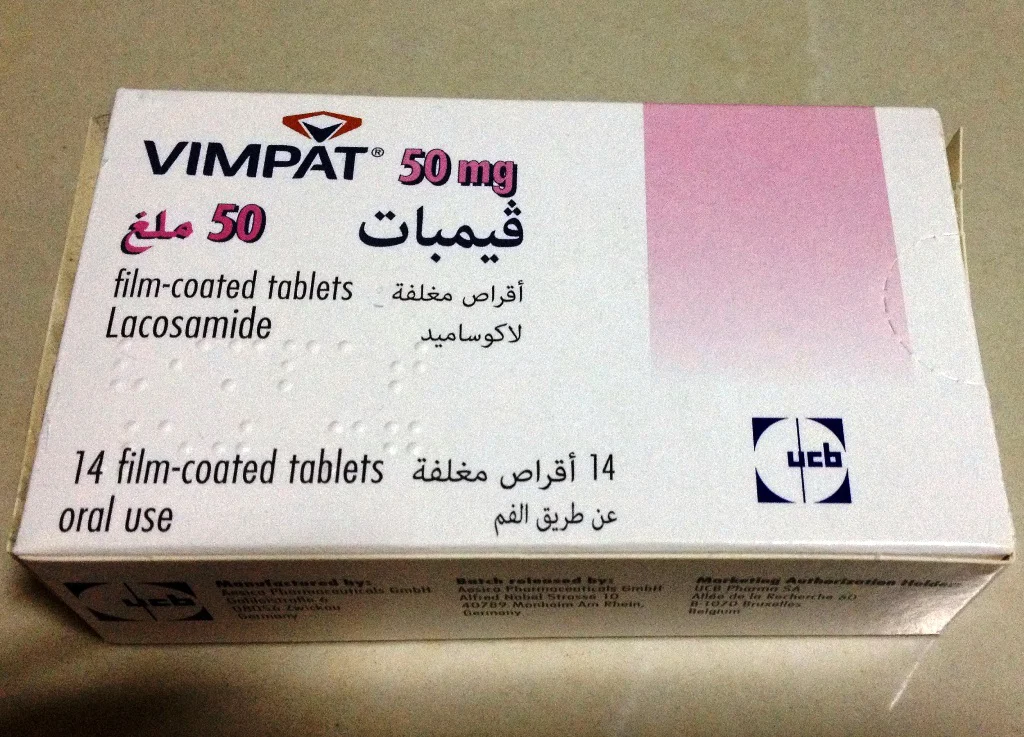
Scientists at the Yale School of Medicine have tested an existing epilepsy medication for a different purpose. The drug is called lacosamide, and it has already passed safety tests for treating seizures. In preclinical studies, it appeared capable of relieving osteoarthritis pain while also repairing damaged cartilage.
Osteoarthritis involves the wearing away of cushioning between bones in joints like the knee. Current treatments can manage pain but do not stop the underlying joint damage from progressing. Some patients eventually require replacement surgery to fix broken joints, leaving researchers with a major unmet need for therapies that change how the disease progresses.
The work focuses on a protein called Nav1.7, which acts as a sodium channel in cells. These channels function like microscopic gates that control electrical signaling inside tissue. In osteoarthritis, this protein becomes overly active and disrupts the balance of cartilage maintenance within chondrocytes.
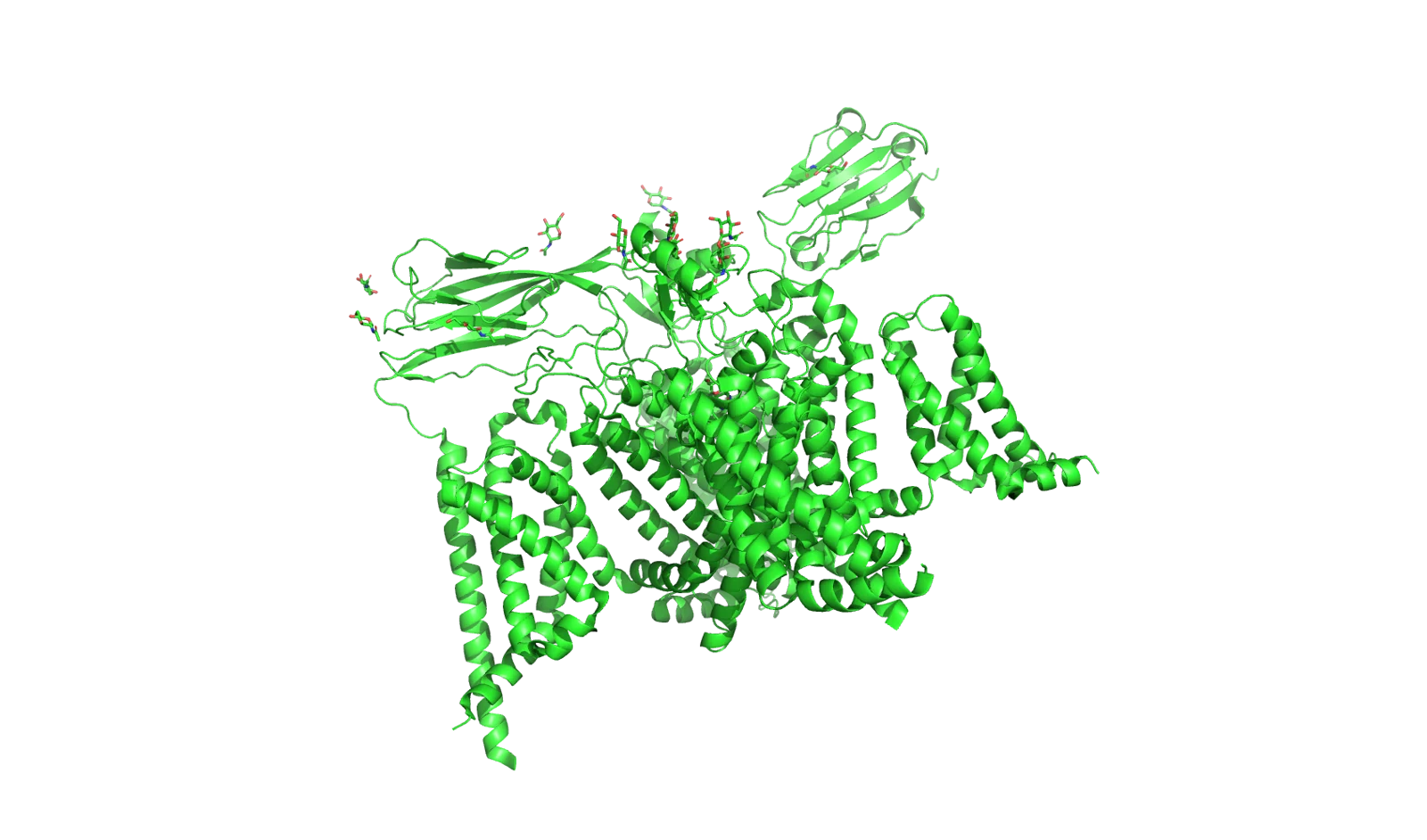
Photo credits
Blocking Nav1.7 helps quiet pain nerves and tells cartilage cells to stop breaking down while starting repair. The researchers found an optimal dose where the drug restores balance without overcorrecting the system. What stood out was how little of a dose was needed to achieve effectiveness compared to older drugs in the same class.
Giving the medication orally circulates it throughout the body, which can cause unwanted effects elsewhere. A better method involves injecting the drug directly into the affected joint using a specialized hydrogel made from Collagen II. This gel changes from liquid to jelly at body temperature and acts as a local reservoir for the treatment.
The hydrogel holds the drug in place to release it slowly over time, keeping the medication concentrated in the affected area. One injection every four weeks prevented cartilage loss more effectively than taking an oral dose daily. The treatment stayed active for a month or longer and also stimulated beneficial signaling proteins to create conditions favorable for repair.
All of this needs to be tested on actual osteoarthritis patients in future clinical trials. Because the drug is already approved, the time to start these studies should be shorter than for a new drug. If successful, it could eventually reduce procedures and limit side effects for millions of people worldwide.