
Delhi cuts electric power waste from fifty percent to five over twenty-five years
Capital city upgrades old wiring, updates billing, and curbs theft to rescue an unstable municipal network.
6 Oct 2026
Electricity grids leak large shares of power across many parts of the globe. World Bank figures for 2023 show that over half the nations tracking this metric lost ten percent or more of their electricity, with two countries losing over half their total output. Energy bleeds off as wasted heat along wires, while extra current vanishes through illegal hookups and unpaid accounts.
Such waste creates heavy financial and environmental strain. When supplies come from fossil fuels, power bled on the road to the user still adds greenhouse emissions to the air. Utilities pass the missing income along to consumers, while rising overall demand forces networks to consider building extra power plants that might not be needed if losses were halted.
At the start of the century, Delhi faced this crisis at its worst. Blackouts hit households nearly every day, sometimes stretching across multiple hours. Even when current flowed, the voltage fluctuated enough to make lights dim and break home machines, leaving residents relying on battery inverters or private generators to get through heat waves and winters.
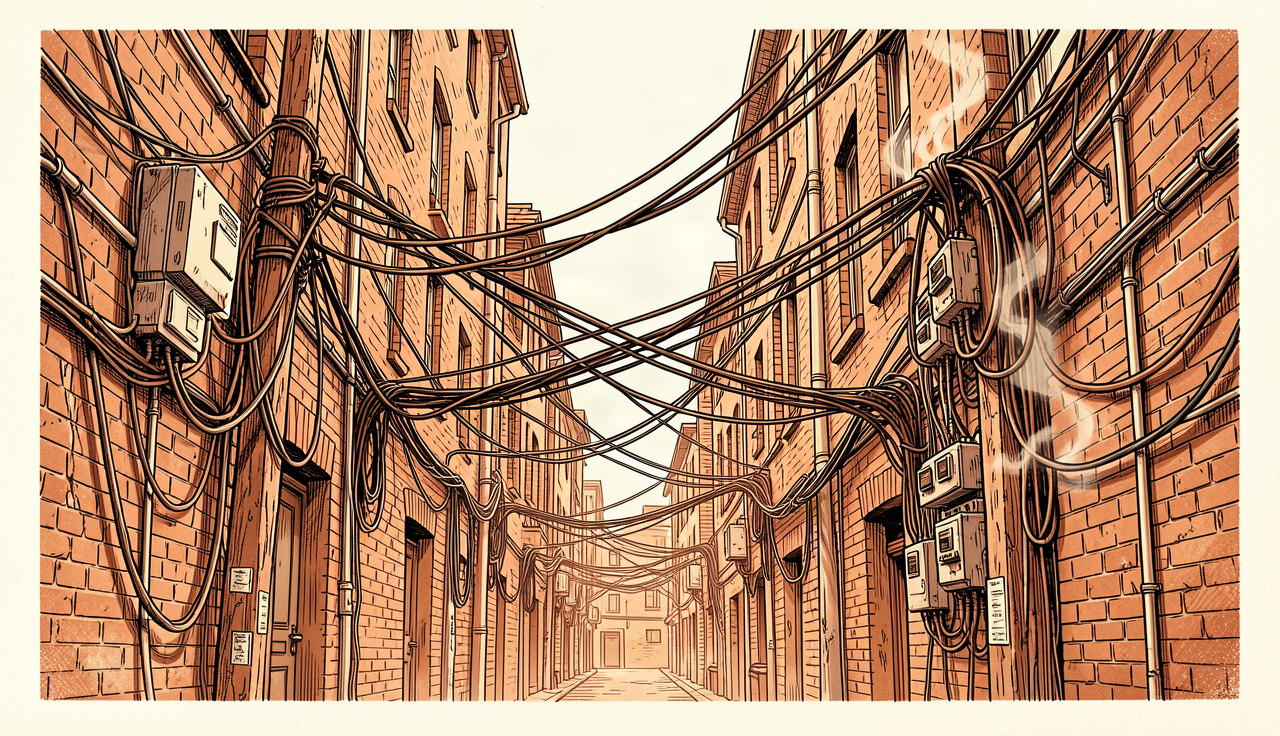
The physical network across the Indian capital was around a century old and worn down. Transformers, switches, and wiring lacked basic repairs. Because the distribution gear had not been planned for modern equipment, excess current traveled through the aluminum lines, driving up resistance—which is the natural drag wires place on moving electrical charge—and shedding energy as heat.
The issue compounded itself along neighborhood wires. Modern appliances drawn to weak line pressure, or voltage, pull extra current to keep running. That extra current pushed temperatures higher and dragged line voltage down even further, forming a cycle of falling power quality and rising loss that local utilities took no steps to counteract.
Technical decay was only part of the trouble. Outright theft ran unchecked among residential users, local factories, and utility workers. Bare overhead lines and streetlamps invited easy taps, while courts had little capacity to handle offenders, and an independent electricity oversight commission had not yet fully formed to establish binding rules.
The business side of the utility system failed as well. Workers walked from house to house recording dials into paper notebooks, which were later copied into office files to print bills. Customers faced crowded offices with short open hours just to pay their dues, and because rules did not allow suppliers to shut off power for nonpayment, many users simply ignored their accounts.
As a result of theft and bad hardware, Delhi's suppliers were paid for less than half of what they pushed into the grid in 2002. Across India as a whole that year, state power providers averaged losses near thirty-seven percent. Fragmented authority between local state leaders and the federal administration had long slowed down major changes across the sector.
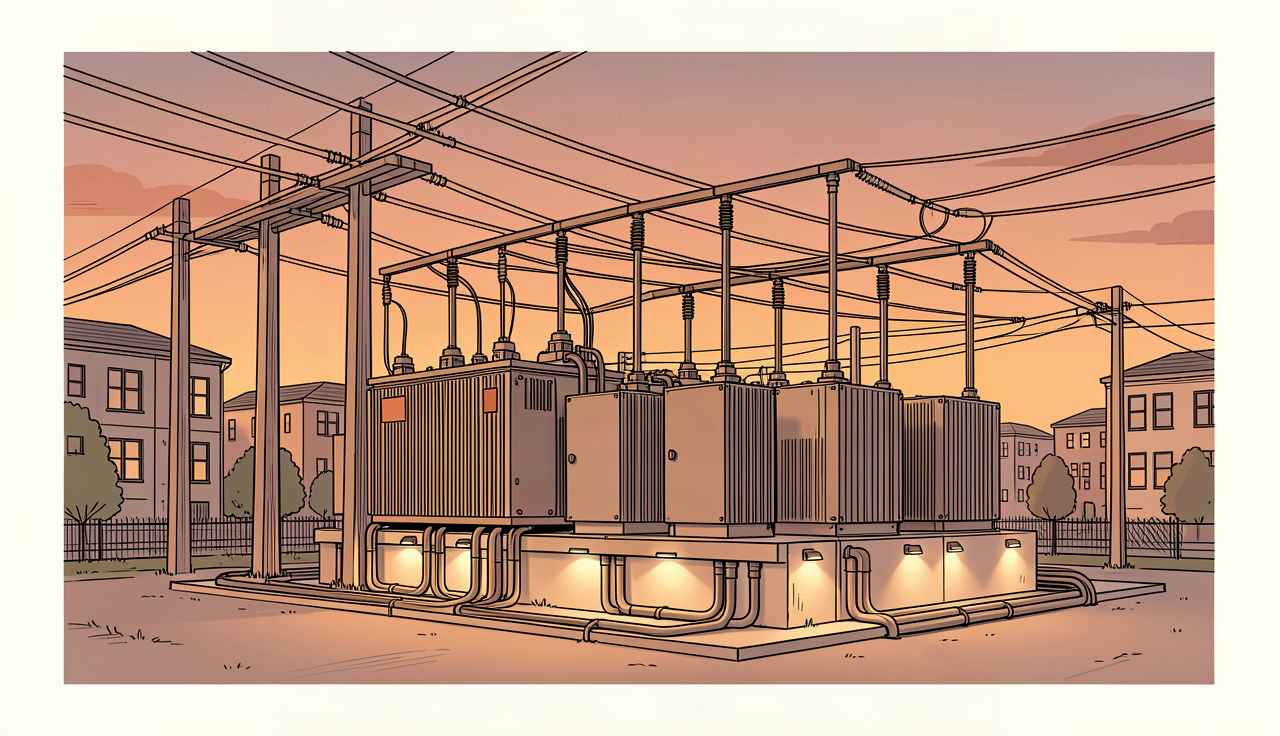
Over the next twenty-five years, Delhi reversed the situation. Authorities overhauled regulations, restructured operations, and replaced aging gear across thousands of kilometers of lines. In areas like Shalimar Bagh, underground lines replaced hanging cables to make the network safer and stop direct wire taps, while newer digital meters made tracking accurate and hard to bypass.
These technical and administrative fixes shifted the city's balance sheet. By 2026, losses in Delhi had dropped from around fifty percent down to five or six percent, matching rates seen in nations like France and Belgium. A local reliability metric that stood near seventy percent in 2002 climbed past ninety-nine point nine percent.
Other places have seen similar progress or steep declines. Singapore brought power waste down to two-tenths of a percent by 2023, and Georgia cut its losses in half over two decades. In contrast, Argentina saw its line losses jump to nearly twenty-four percent by 2023 as equipment decayed without investment, and Jamaica has remained stuck above twenty percent due to steady theft.
The Delhi network now serves twenty-three million residents and handles peak needs above eight thousand seven hundred megawatts. Though nearly half its supply still comes from coal, reducing grid waste has allowed electric buses and neighborhood businesses to run reliably without requiring constant additions to generation capacity.